
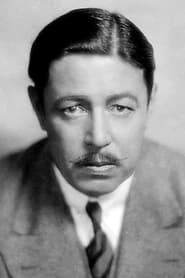
Warner Oland
Actor
Born: October 3, 1879 in Bjuråker, Sweden Died: August 6, 1938 Active: 1912-1938 Birth Name: Johan Verner Ölund
Films
13 films
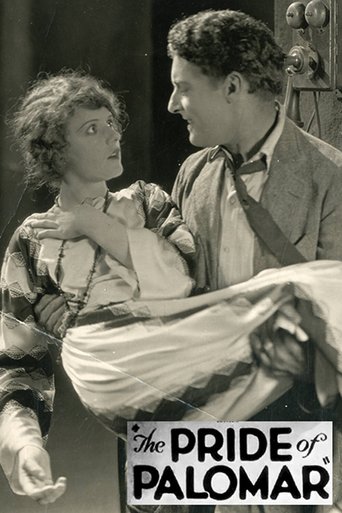
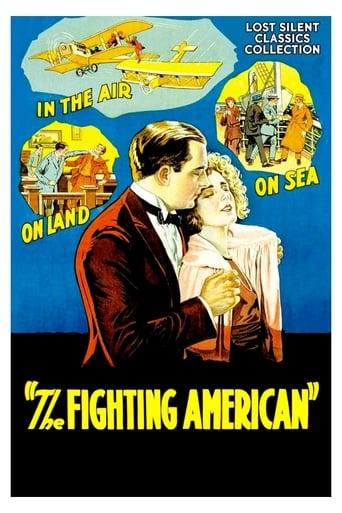
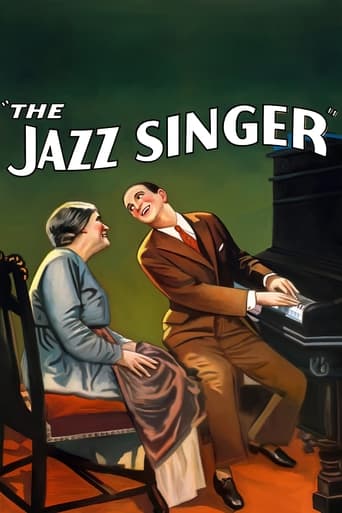
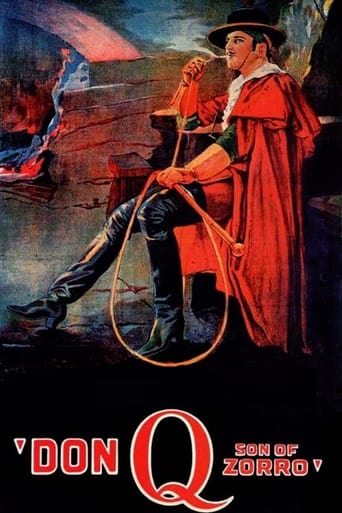
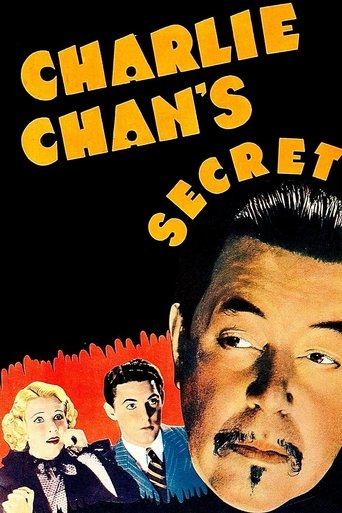

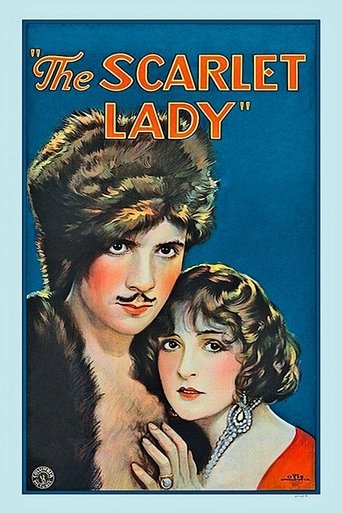
About Warner Oland
Swedish-American actor who became one of Hollywood's most recognizable character actors during the silent era and early sound period. Born Johan Verner Ölund in Sweden, he immigrated to the United States as a child and began his career on the Broadway stage before transitioning to silent films in the 1910s. Oland gained early recognition for his ability to convincingly portray Asian characters, despite being of Swedish descent, which led to his breakthrough role as Dr. Fu Manchu in the late 1920s. His most achievement came with his portrayal of the wise and benevolent Chinese detective Charlie Chan, a role he played in 16 films for Fox starting in 1931, making him one of the studio's biggest box office draws. Oland's dignified and intelligent approach to these characters helped elevate them beyond mere stereotypes, though modern critics still debate the practice of non-Asian actors playing ethnic roles. His successful career was tragically cut short when he died suddenly of pneumonia in 1938 while traveling in Sweden, leaving behind a legacy as one of early Hollywood's most distinctive character actors.
The Craft
On Screen
Oland was known for his subtle, dignified portrayals that avoided broad caricature despite playing ethnic roles. He brought intelligence, warmth, and humanity to his characters, particularly Charlie Chan, using a measured, thoughtful delivery and minimal exaggerated gestures. His approach emphasized the wisdom and dignity of his characters rather than relying on stereotypical mannerisms, which helped make his portrayals more acceptable to audiences of his era.
Milestones
- Broadway stage debut in 1906
- First film appearance in 'The Pilgrim' (1912)
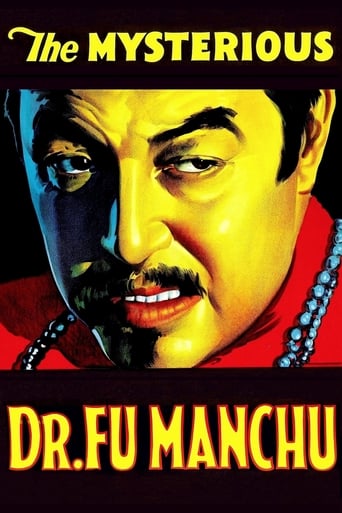
- Breakthrough role as Dr. Fu Manchu in 'The Mysterious Dr. Fu Manchu' (1929)
- First Charlie Chan film in 'Charlie Chan Carries On' (1931)
- Starred in 16 Charlie Chan films for Fox (1931-1937)
- Became one of Fox's highest-paid and most reliable stars
Best Known For
Iconic Roles
Must-See Films
Accolades
Special Recognition
- Hollywood Walk of Fame star (located at 6609 Hollywood Boulevard)
- Posthumous recognition as one of cinema's most memorable character actors
Working Relationships
Worked Often With
Studios
Why They Matter
Impact on Culture
Warner Oland's portrayal of Charlie Chan had a profound impact on popular culture, creating one of cinema's most enduring detective characters. While controversial by modern standards due to the practice of yellowface casting, Oland's dignified and intelligent portrayal helped challenge some negative stereotypes of the era and introduced mainstream audiences to a positive Asian protagonist. The Charlie Chan films became a worldwide phenomenon, spawning numerous imitators and establishing conventions for the detective genre that would influence later films and television shows. Oland's success also demonstrated the commercial viability of films with Asian protagonists, paving the way for greater representation in Hollywood, albeit still through non-Asian actors.
Lasting Legacy
Warner Oland's legacy endures through the enduring popularity of the Charlie Chan film series, which continues to be studied and debated by film scholars and cultural historians. His performances represent a complex intersection of Hollywood's history with ethnic representation, simultaneously showcasing both the limitations and possibilities of early cinema's approach to diversity. Oland's ability to bring humanity and dignity to his characters, despite the problematic nature of the casting, created memorable performances that have transcended their era. The Charlie Chan films he starred in remain influential in the mystery genre and continue to be referenced in popular culture, ensuring that Oland's contribution to cinema history remains relevant to contemporary discussions about representation and cultural appropriation in entertainment.
Who They Inspired
Oland's success as Charlie Chan influenced the casting and character development of subsequent detective films and television shows, establishing a template for the wise, methodical investigator archetype. His approach to playing ethnic characters, while problematic by modern standards, set a standard for bringing dignity to roles that could easily have descended into caricature. Later actors playing similar roles, including those who succeeded him as Charlie Chan, were measured against his performances. The commercial success of his films also demonstrated to Hollywood studios that films featuring non-white protagonists could be profitable, influencing future casting decisions and genre development.
Off Screen
Warner Oland married actress Edith Shearn in 1913, and their marriage lasted until his death in 1938. Edith became his manager and helped guide his career decisions. The couple adopted a daughter, Ann, and maintained a relatively private personal life despite Oland's growing fame. Oland was known for his professionalism on set and his dedication to his craft, often spending hours studying Asian culture and mannerisms to prepare for his roles. He was also interested in art and collected Asian antiques, reflecting his deep connection to the characters he portrayed.
Education
Limited formal education; primarily self-taught through extensive reading and life experience
Family
- Edith Shearn (1913-1938)
Did You Know?
- Despite being Swedish, Oland became Hollywood's go-to actor for Asian roles, particularly Chinese characters
- He learned to speak some Mandarin Chinese to better prepare for his role as Charlie Chan
- Oland — skilled painter and created many artworks during his downtime between films
- He was one of the highest-paid character actors of his time, earning $5,000 per week at Fox
- The success of his Charlie Chan films saved Fox from bankruptcy during the Great Depression
- Oland never visited China despite his famous portrayals of Chinese characters
- He was originally considered for the role of the Chinese warlord in 'The Bitter Tea of General Yen' but turned it down
- His death in 1938 led to Fox temporarily suspending the Charlie Chan series before recasting the role
- Oland's makeup for Charlie Chan took over two hours to apply each day
- He was a founding member of the Hollywood Cricket Club, reflecting his interest in international sports
In Their Own Words
Patience, my son. The truth is like a sunbeam - it cannot be hidden forever.
as Charlie Chan),
The wise man learns more from his enemies than the fool from his friends.
as Charlie Chan),
In solving mysteries, the mind must be like a still pond - only then can we see clearly to the bottom.
as Charlie Chan),
I am not Chinese, I am not Japanese, I am not any kind of Asian. I am an actor trying to portray a character as honestly as possible.
interview quote) ],
controversies
The primary controversy surrounding Warner Oland's career is the practice of yellowface casting - his portrayal of Asian characters despite being of Swedish descent. While accepted during his era, modern critics view this as problematic and representative of Hollywood's historical exclusion of Asian actors. Additionally, the Charlie Chan character itself has been criticized for perpetuating certain stereotypes, though Oland's dignified portrayal was seen as progressive for its time. The debate continues about whether Oland's performances should be viewed in their historical context or judged by contemporary standards of representation.
externalLinks
faq