
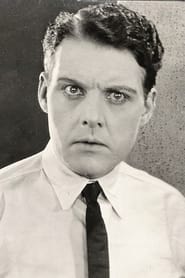
Forrest Stanley
Actor
Born: August 21, 1889 in New York City, New York, USA Died: August 27, 1969 Active: 1915-1927 Birth Name: Forrest Stanley Whitney
Films
7 films

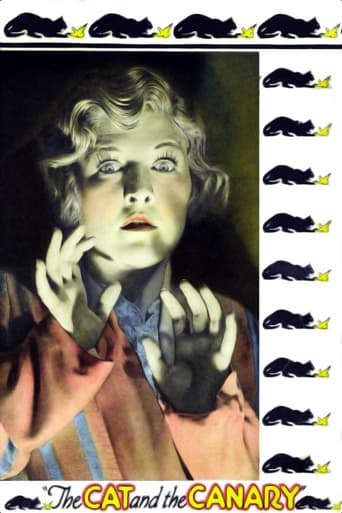
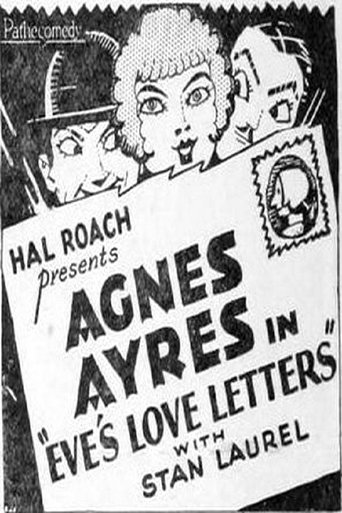
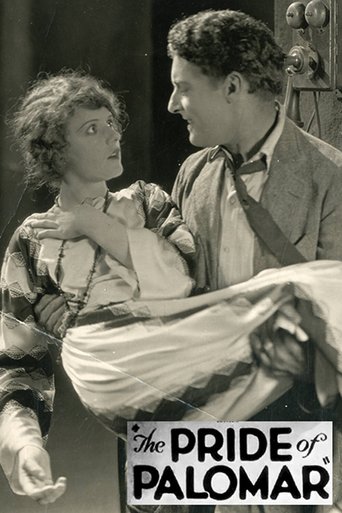
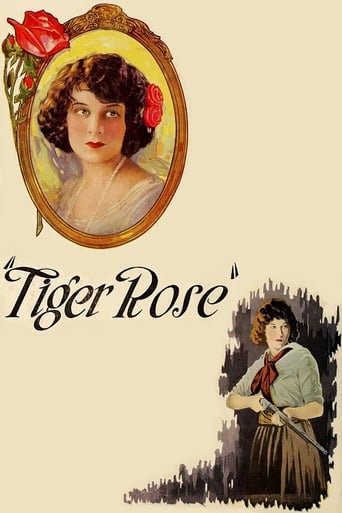
About Forrest Stanley
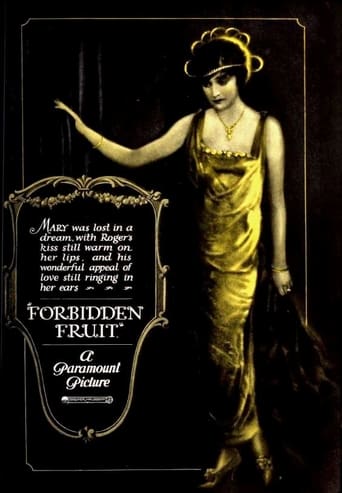
prominent leading man of the silent film era — known for his dashing good looks and romantic roles opposite some of Hollywood's biggest female stars. Born Forrest Stanley Whitney in New York City, he began his career on Broadway before transitioning to films in the early 1920s. Stanley quickly rose to prominence at Paramount Pictures, where he became a reliable romantic lead in numerous productions throughout the early to mid-1920s. Forrest appears in notable films such as 'Forbidden Fruit' (1921) with Agnes Ayres, 'When Knighthood Was in Flower' (1922) alongside Marion Davies, and 'Tiger Rose' (1923) with Lenore Ulric. As the film industry transitioned to sound, Stanley's career began to wane, and he made his final film appearances in the late 1920s. After leaving acting, he successfully reinvented himself as a real estate broker in Los Angeles, where he remained until his death in 1969.
The Craft
On Screen
Stanley was known for his refined, gentlemanly screen presence and romantic leading man persona. His acting style embodied the sophisticated, aristocratic characters popular in silent cinema, with a particular talent for conveying emotion through subtle facial expressions and body language typical of the era. He specialized in playing charming, well-educated gentlemen who often served as romantic interests for the era's leading actresses.
Milestones
- Broadway stage debut before film career
- Leading man at Paramount Pictures in early 1920s
- Starred opposite Marion Davies in 'When Knighthood Was in Flower' (1922)
- Romantic lead in 'Forbidden Fruit' (1921)
- Successful transition to real estate career after acting
Best Known For
Iconic Roles
Must-See Films
Accolades
Special Recognition
- Hollywood Walk of Fame star (located at 6700 Hollywood Boulevard)
Working Relationships
Worked Often With
Studios
Why They Matter
Impact on Culture
Forrest Stanley represents the archetype of the silent film leading man who flourished during the early 1920s but struggled with the transition to sound. His career trajectory illustrates the challenges faced by many silent era actors whose personas were specifically tailored to the visual storytelling medium. Stanley's work with major stars like Marion Davies helped establish the romantic drama formula that would dominate Hollywood throughout the decade. His subsequent successful career change also reflects the adaptability required of performers during Hollywood's rapid evolution.
Lasting Legacy
Though largely forgotten by contemporary audiences, Forrest Stanley's film legacy endures through his surviving silent films, which are preserved by film archives and occasionally screened at classic film festivals. His performances provide valuable examples of silent era acting techniques and the romantic leading man style that defined early Hollywood. Stanley's star on the Hollywood Walk of Fame ensures his contribution to cinema history is permanently commemorated. His story serves as a reminder of the many talented actors who shaped early Hollywood but whose names have faded from popular memory.
Who They Inspired
Stanley influenced the development of the romantic leading man archetype in silent cinema, helping to establish the template for sophisticated, gentlemanly characters that would be emulated by other actors throughout the decade. His work with major female stars contributed to the development of the star system and the pairing formula that would become standard in Hollywood. While he didn't directly mentor later actors, his performances served as examples for subsequent generations of actors studying silent film technique.
Off Screen
Forrest Stanley married actress Lillian Lawrence in 1924, and their marriage lasted until her death in 1954. The couple had no children together. After his acting career ended, Stanley successfully transitioned to a career in real estate, becoming a well-known broker in the Los Angeles area. He maintained connections to the film industry through his real estate work, often representing entertainment industry clients. Stanley spent his later years in Los Angeles, where he passed away in 1969 at the age of 80.
Education
Educated in New York City; attended dramatic schools before beginning his stage career
Family
- Lillian Lawrence (1924-1954)
Did You Know?
- His real name was Forrest Stanley Whitney but he shortened it professionally
- He began his career on Broadway before transitioning to films
- He received a star on the Hollywood Walk of Fame at 6700 Hollywood Boulevard
- After his acting career ended, he became a successful real estate broker in Los Angeles
- He was married to actress Lillian Lawrence for 30 years until her death
- He appeared in over 30 films during his 12-year film career
- He worked primarily with Paramount Pictures during his peak years
- His career declined with the advent of sound films
- He died just six days after his 80th birthday
- Many of his films are now considered lost, a common fate for silent movies
In Their Own Words
The transition from stage to screen requires learning to express with your eyes what your voice once conveyed.
Frequently Asked Questions
Who was Forrest Stanley?
American with credits in this catalog. He was known for his romantic roles opposite major female stars and worked primarily with Paramount Pictures before successfully transitioning to a real estate career after his acting days ended.
What films is Forrest Stanley best known for?
Titles linked here include Forbidden Fruit (1921), When Knighthood Was in Flower (1922).
When was Forrest Stanley born and when did he die?
Born August 21, 1889; died August 27, 1969.
What awards did Forrest Stanley win?
While Forrest Stanley did not receive major acting awards during his career, he was honored with a star on the Hollywood Walk of Fame at 6700 Hollywood Boulevard, recognizing his contributions to the film industry during the silent era.
What was Forrest Stanley's acting style?
Stanley was known for his refined, gentlemanly screen presence and romantic leading man persona. He specialized in playing sophisticated, aristocratic characters and was skilled at conveying emotion through subtle facial expressions and body language, which was essential for silent film acting.
Why did Forrest Stanley's acting career end?
Stanley's career declined with the transition to sound films in the late 1920s. Like many silent era actors whose personas were specifically suited to visual storytelling, he struggled to adapt to the new requirements of talking pictures and made his final film appearances around 1927.
Did Forrest Stanley have any family connections in Hollywood?
Yes, Forrest Stanley was married to actress Lillian Lawrence from 1924 until her death in 1954. Lawrence was also a working actress during the silent film era, and the couple remained married for 30 years. They had no children together.