Films
6 films
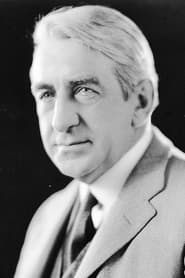
About Alfred Allen
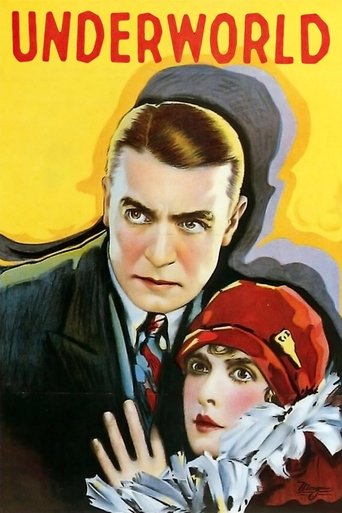
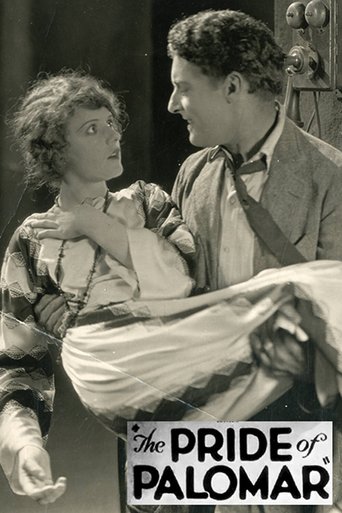
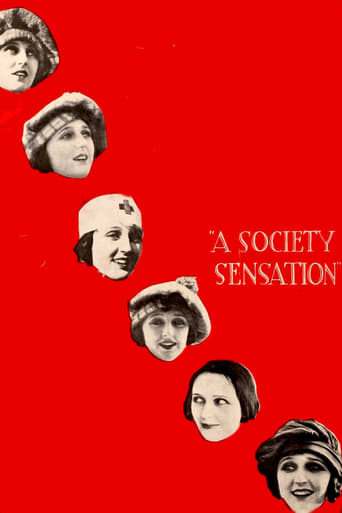
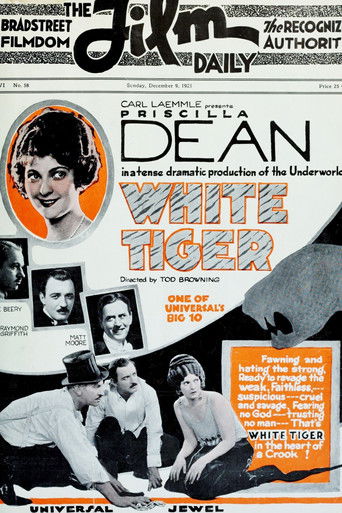
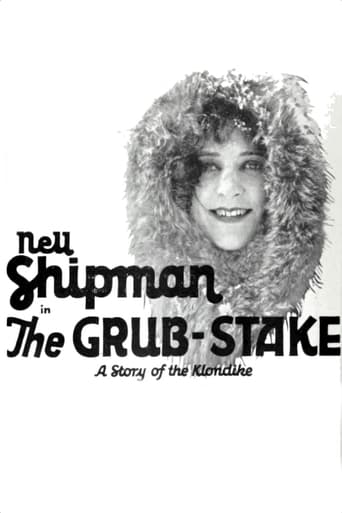
Silent-era film actor: screen work is documented primarily between 1918 and 1927. He appears in early feature productions such as A Society Sensation (1918), The Pride of Palomar (1922), White Tiger (1923), The Grub Stake (1923), and Underworld (1927), placing him squarely in the formative years of American feature filmmaking and the transition toward the late silent era. Surviving reference sources for many minor silent-era performers are often sparse, and Allen is one of those classic cinema figures whose record is preserved more strongly through film credits than through extensive biographical documentation. Based on the available filmography, he worked steadily across the 1920s in supporting and character roles rather than as a major star, contributing to the texture and realism of early Hollywood productions. His career overlaps with an important period in film history when studios were refining star systems, genre storytelling, and visual performance styles without synchronized dialogue. Because contemporary biographical detail is limited, many aspects of his life outside the screen remain undocumented in readily accessible sources.
The Craft
On Screen
No detailed contemporary acting analyses of Alfred Allen appear to survive in the standard reference record, but as a silent-era performer his work would have relied on the physical expressiveness, clear gestures, and visual economy typical of the period. His roles were likely grounded in supporting-character presence rather than overt star exhibition, helping anchor scenes and add dramatic credibility. In silent cinema, such actors often communicated status, temperament, and narrative function through posture, expression, and timing, and Allen's screen appearances fit that tradition.
Milestones
- Appeared in the feature film A Society Sensation (1918), an early credit from the late silent era
- Worked in Western and frontier-themed productions such as The Pride of Palomar (1922) and The Grub Stake (1923)
- Took part in White Tiger (1923), another example of his activity in early 1920s silent feature filmmaking
- Was Alfred Allen appeared in Underworld (1927), placing him in one of the landmark late-silent crime films of the decade
- Maintained screen activity across nearly a decade of silent-era film production
Best Known For
Iconic Roles
Must-See Films
Why They Matter
Impact on Culture
Alfred Allen’s cultural impact is best understood as part of the broader supporting-player infrastructure that made silent cinema function. While he was not a headline star whose name shaped public fashion or mass celebrity, performers like Allen were essential to the credibility and continuity of early feature films, especially in genre pictures that depended on believable ensembles. His presence in films spanning 1918 to 1927 places him within a crucial era when American cinema was developing narrative grammar, star hierarchies, and increasingly sophisticated production values. By appearing in recognized titles such as Underworld, he participated in the lineage of films that helped define the gangster and crime picture before the sound era fully arrived. In film history terms, his value lies in representing the many capable character actors whose work supported the emergence of classical Hollywood storytelling.
Lasting Legacy
Alfred Allen’s lasting legacy is primarily archival and historical rather than celebrity-driven. He stands as one of the many silent-era actors whose surviving credit trail helps scholars reconstruct the industrial and artistic ecology of early Hollywood. Even when performers of his profile are not extensively profiled in modern histories, their names in cast lists help document casting practices, studio output, and the circulation of talent across the 1910s and 1920s. His final credited appearance in 1927 situates him just before the sound revolution transformed screen acting and reduced the visibility of many silent players. For researchers of classic cinema, Allen is part of the indispensable supporting record of the silent feature era.
Who They Inspired
There is no documented evidence that Alfred Allen directly mentored major later stars or was himself a widely cited influence on performance style. His influence is better understood indirectly: by contributing to the ensemble fabric of silent cinema, he exemplified the working character actor whose disciplined, readable screen presence helped establish standards for supporting performance. Such actors influenced the craft environment around them, even when they did not become celebrated names. In that sense, Allen belongs to the generation of performers whose work underpinned the professionalization of film acting in early Hollywood.
Off Screen
There is no reliable, widely documented personal biography readily associated with this silent-era Alfred Allen in standard reference material. Information about marriages, family background, residences, education, and post-screen life is not clearly established in the accessible historical record. Like many working players of the silent era, he seems to have left a filmography more visible than his private life. Until archival evidence or local historical records are consulted, his personal life should be treated as largely undocumented.
Did You Know?
- His known screen activity spans the late silent era, from 1918 through 1927.
- He is Alfred Allen appeared in both society-themed and Western/frontier productions, showing range across popular silent-era genres.
- Underworld (1927) is one of the better-known late silent crime films associated with his filmography.
- Like many silent-era supporting actors, his surviving public record is more visible through film credits than through biographical profiles.
- No widely verified birth or death dates are readily established in standard reference summaries.
- He appears to have worked consistently in the 1920s without becoming a major star name.
- His filmography reflects the kind of career common to many dependable character players of early Hollywood.
- He is not to be confused with other similarly named individuals in later entertainment or non-film fields.
Frequently Asked Questions
Who was Alfred Allen?
Silent-era film with credits in this catalog. He is best understood as a supporting player whose credits survive in a small but historically useful filmography. His work belongs to the formative years of Hollywood feature production.
What films is Alfred Allen best known for?
Titles linked here include A Society Sensation (1918), The Pride of Palomar (1922).
When was Alfred Allen born and when did he die?
Reliable birth and death dates are not readily established in the accessible historical record for this silent-era Alfred Allen. The surviving information focuses mainly on his screen credits rather than his personal biography. Additional archival research would be needed to confirm those details.
What awards did Alfred Allen win?
No awards or formal honors are readily documented for Alfred Allen in standard classic-cinema reference sources. This is not unusual for a supporting actor from the silent era, especially one whose career record survives primarily through cast listings. His historical importance lies more in his contribution to early film production than in documented accolades.
What was Alfred Allen's acting style?
As a silent-era actor, Alfred Allen would have relied on the expressive physical performance style characteristic of the period. That typically meant clear gestures, readable facial expression, and concise screen presence to communicate character and emotion without spoken dialogue. Surviving records do not preserve a detailed contemporary assessment of his technique.
What is Alfred Allen's legacy in film history?
His legacy is that of a dependable working actor whose credits help document the silent-era studio system. He represents the many supporting performers who made early Hollywood films function as complete dramatic works. For historians, such actors are important evidence of how the classical film industry was built.