

A Society Sensation
"Playboy, fisherman's daughter, fame cut"
Keys: Space play/pause · ←/→ 10s · F fullscreen · M mute · </> speed
About this film
Society playboy loves a fisherman's daughter in a 1918 romance later recut after Rudolph Valentino's fame. A class-crossed love story reshaped for rising stardom.
Cast & crew
More films like this

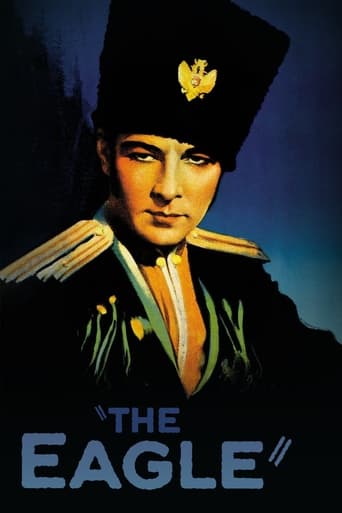
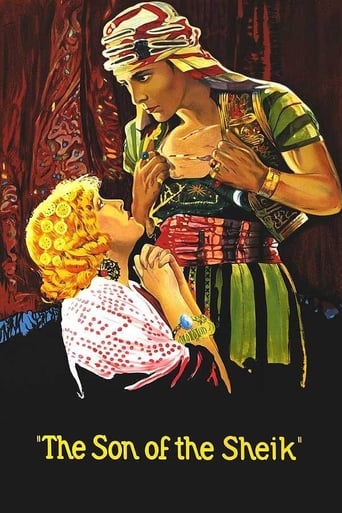
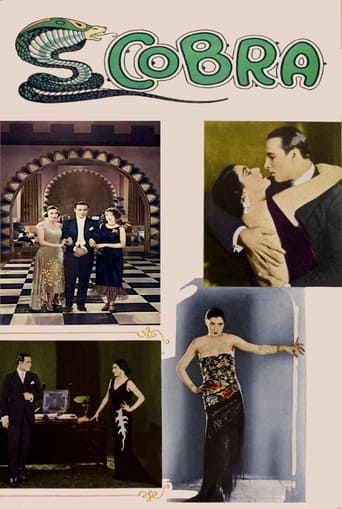
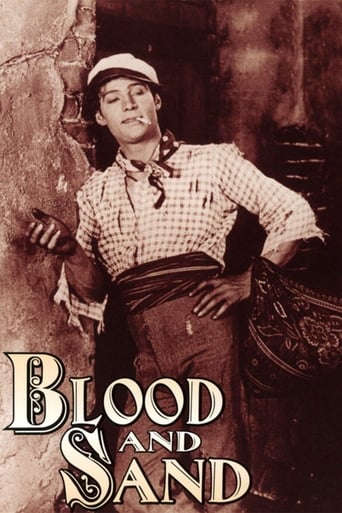
More Drama films
View all →







More from Paul Powell
View all →
More about this film
About the production
Release dateJuly 22, 1918
Box officeBox office figures not documented for this silent era film
ProductionUniversal Film Manufacturing Company
Filmed inLos Angeles, California, Universal City Studios
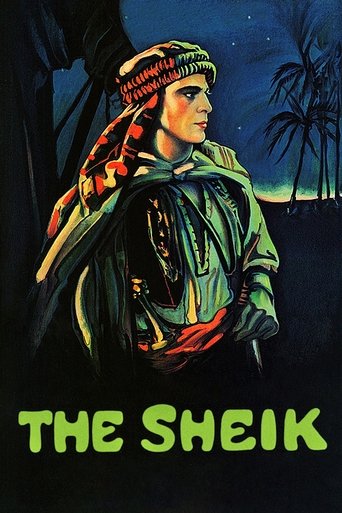
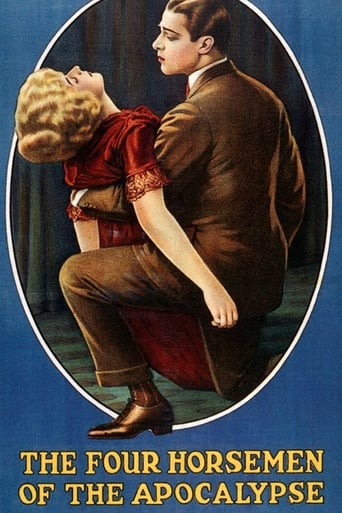
The film was originally produced as a standard feature but was drastically re-edited after Rudolph Valentino became a massive star following 'The Four Horsemen of the Apocalypse' (1921) and 'The Sheik' (1921). Universal Pictures cut the film down to 24 minutes to capitalize on Valentino's newfound fame, ensuring he appeared in nearly every frame. The extensive cuts necessitated the addition of numerous title cards to bridge narrative gaps created by the removed scenes. This post-fame re-editing was a common practice for films starring actors who achieved sudden superstardom.
Themes
Class division and social barriersTrue love transcending social statusWealth versus povertySocial prejudice and acceptanceRomantic idealism
Themes & topics
societyromanceclass differencesfisherman's daughterwealthy playboyforbidden lovesocial barriersfamily oppositionsilent filmdramare-edited filmValentino
Historical background
Released in 1918, A Society Sensation belongs to the silent feature period and reflects production norms of its release season.
Why this film matters
A Society Sensation contributes to understanding regional output and audience tastes around 1918.
Making of
The production of 'A Society Sensation' took place during Universal's expansion period in the late 1910s, when the studio was establishing itself as a major player in Hollywood. The film was shot on location in various parts of California, taking advantage of the state's natural beauty for both society and fishing village settings. Director Paul Powell, known for his efficient work ethic, completed the film on a tight schedule typical of the era's rapid production pace. The most significant behind-the-scenes development occurred years after the film's initial release, when Universal executives decided to capitalize on Valentino's explosive popularity by re-editing the existing footage. This post-production overhaul required substantial work from editors and title writers to create a coherent narrative from the shortened material, demonstrating how star power could dramatically alter a film's presentation long after its completion.
What critics said
Review records for A Society Sensation are typical of 1918: brief for shorts, more sustained for features.
Did you know?
- the release represents one of Rudolph Valentino's earliest surviving screen appearances, made before he became the 'Latin Lover' of silent cinema
- The film was re-released in 1922 after Valentino's massive success, with significant cuts to focus on his character
- Carmel Myers, who played the female lead, would later become one of Hollywood's most prominent character actresses and successfully transition to sound films
- Director Paul Powell was a respected silent film director who worked with many major stars of the era, though he's largely forgotten today
- The film's re-editing to 24 minutes makes it one of the shortest feature films ever released by a major studio
- Lydia Yeamans Titus, who appears in a supporting role, was a veteran actress who began her career in the 1890s on the stage
- The original version of the film is believed to be lost, with only the re-edited 24-minute version surviving
- Universal Pictures capitalized on Valentino's fame by heavily promoting the re-released version despite its truncated nature
- The film features early examples of location shooting in California, taking advantage of the state's diverse landscapes
- This movie demonstrates the common silent era practice of class-based romance narratives, which would become a recurring theme in Valentino's later films
Visual style
The cinematography of 'A Society Sensation' reflects the transitional period of late 1910s filmmaking, when directors were moving away from theatrical staging toward more naturalistic visual storytelling. The film employs location photography to contrast the opulent settings of high society with the rustic beauty of the fishing village, using natural light to enhance the romantic atmosphere. Camera work includes some tracking shots and varied angles that were becoming more common as filmmakers explored the expressive potential of the medium. The visual composition emphasizes the social divide between the main characters through careful framing and set design, with society scenes featuring elaborate interiors and the working-class sequences utilizing more natural, outdoor settings. While the film's heavily edited version makes it difficult to fully appreciate the original cinematographic intentions, the surviving footage demonstrates the growing sophistication of silent era visual storytelling.
Innovations
While 'A Society Sensation' was not a groundbreaking technical achievement, it incorporates several filmmaking innovations that were becoming standard in the late 1910s. The film uses location shooting extensively, taking advantage of California's diverse landscapes to create authentic settings for both society and working-class environments. The production likely employed the latest camera equipment of the era, allowing for more mobile photography than earlier films. The use of title cards in the re-edited version, while excessive due to the narrative gaps, demonstrates the sophisticated intertitle techniques being developed to convey complex information in silent cinema. The film's lighting techniques show the growing understanding of how illumination could enhance mood and characterization, particularly in the contrast between the bright, airy society scenes and the more dramatic, shadowed moments of conflict. These technical elements, while not revolutionary, represent the professional standards of major studio production during Hollywood's formative years.
Music
As a silent film, 'A Society Sensation' would have been accompanied by live musical performance during its theatrical exhibition. The original 1918 release likely featured a compiled score using popular classical pieces and theater music, as was common practice for productions of this scale. For its 1922 re-release, Universal may have provided cue sheets to theater organists or pianists, suggesting appropriate musical selections to accompany the truncated narrative. The romantic nature of the story would have called for sweeping, emotional music during love scenes and more dramatic, tension-building pieces during moments of social conflict. Modern screenings of the film typically feature newly composed scores or carefully selected period music that reflects the film's romantic themes and early 20th-century setting. The absence of synchronized sound allows contemporary musicians creative freedom in interpreting the visual narrative through music.
Famous quotes
No dialogue survives from this silent film - communication was through intertitles and visual performance
Memorable scenes
- The climactic confrontation between the wealthy protagonist and his disapproving family over his love for the fisherman's daughter, which despite the film's heavy editing still conveys the emotional intensity of the class conflict through expressive silent acting and dramatic intertitles.
What audiences thought
Original audience reception in 1918 was likely modest, as the film was one of many romantic dramas released during Universal's busy production schedule. The 1922 re-release, however, attracted significant attention from Valentino's growing fan base, who were eager to see any available footage of their idol. Despite the film's heavily edited nature and relatively short running time, audiences flocked to theaters, demonstrating Valentino's remarkable box office draw during his peak popularity years. The film's romantic themes and Valentino's charismatic presence likely resonated with the young female audiences who comprised much of his fan base. Modern audiences viewing the surviving version often approach it with historical interest, appreciating it as a window into early Valentino performances and silent era filmmaking techniques, even while recognizing its narrative limitations due to the extensive cuts.
Film connections
Influenced by
- The influence of Victorian romance novels
- Earlier society drama films from the 1910s
- Contemporary stage plays about class differences
- The growing tradition of Hollywood romantic melodramas
This film influenced
- The practice of re-editing films to showcase rising stars influenced numerous later productions
- Class-based romance themes continued in films like 'The Sheik' (1921)
- Valentino's subsequent films built on the romantic foundation established here
Film restoration
The original 1918 version of 'A Society Sensation' is believed to be lost. Only the 24-minute re-edited version from 1922 survives, held in film archives including the Library of Congress and Universal's own collection. The surviving print shows some deterioration typical of nitrate film from this era, but remains viewable. The truncated nature of the surviving version makes it a compromised but historically valuable artifact of early Valentino work and silent era filmmaking practices.
Where to watch
- Available on various classic film streaming platforms
- Occasionally screened at silent film festivals and special events
- Part of some university film studies collections
- Available through some specialty DVD distributors of silent films
- May be found in public domain archives and film preservation websites