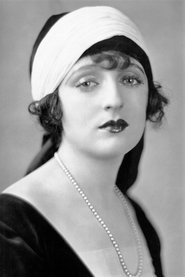
Carmel Myers
Actor
Born: April 4, 1899 in San Francisco, California, USA Died: November 9, 1980 Active: 1915-1931
Films
6 films
About Carmel Myers
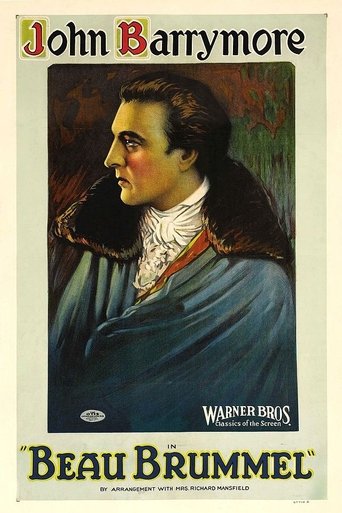
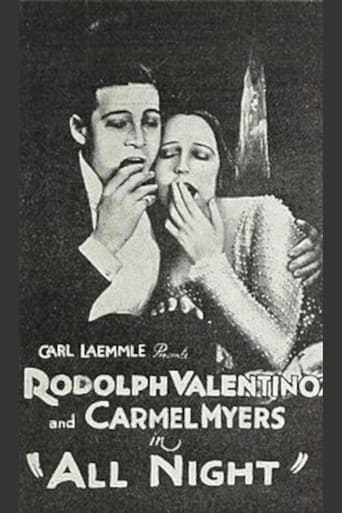
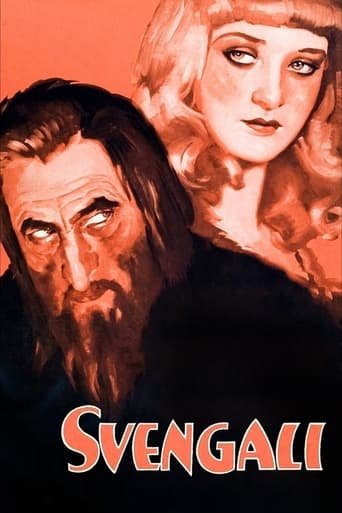
prominent actress of the silent era who successfully transitioned to talkies — known for her sophisticated vamp roles and striking screen presence. Born in San Francisco in 1899, she began her film career with Universal Pictures in the mid-1910s after being discovered by director Rex Ingram. Myers gained widespread recognition for her role opposite Rudolph Valentino in 'All Night' (1918), which established her as a leading lady capable of playing seductive and complex characters. Her career flourished throughout the 1920s with starring roles in major productions including 'Beau Brummel' (1924) alongside John Barrymore, where she showcased her dramatic range beyond typecast vamp roles. She successfully navigated the challenging transition to sound films, delivering a memorable performance in 'Svengali' (1931) opposite John Barrymore. As her acting career waned in the early 1930s, Myers reinvented herself as a successful businesswoman and real estate investor, demonstrating remarkable adaptability. She remained a beloved figure in Hollywood circles, remembered for her contributions to early cinema and her elegant presence both on and off screen.
The Craft
On Screen
Carmel Myers was known for her sophisticated and glamorous screen presence, often specializing in vamp roles that combined seduction with intelligence and wit. Her acting style was expressive and theatrical, typical of the silent era, but she possessed a natural elegance that set her apart from contemporaries. Myers had a particular talent for conveying complex emotions through subtle facial expressions and body language, which served her well in both dramatic and romantic roles. Her transition to sound was seamless, as she possessed a clear, well-modulated speaking voice that complemented her visual performance style.
Milestones
- Breakthrough role in 'All Night' (1918) opposite Rudolph Valentino
- Starring role in 'Beau Brummel' (1924) with John Barrymore
- Successful transition to talkies with 'Svengali' (1931)
- Became one of Universal's top stars in the late 1910s
- Successfully transitioned from vamp roles to more diverse characters
- Established herself as a prominent silent film star
Best Known For
Iconic Roles
Must-See Films
Accolades
Special Recognition
- Hollywood Walk of Fame star (located at 1722 Vine Street)
Working Relationships
Worked Often With
Studios
Why They Matter
Impact on Culture
Carmel Myers played a significant role in shaping the vamp archetype in silent cinema, bringing sophistication and intelligence to characters who might otherwise have been one-dimensional. Her successful transition from silent films to talkies demonstrated that silent film stars could adapt to the new medium with proper training and natural talent. Myers represented the modern, independent woman of the 1920s, both on screen and in her personal life, serving as an early example of a Hollywood star who successfully leveraged her fame into business success. Her career trajectory mirrored the evolution of Hollywood itself, from the freewheeling silent era to the more structured studio system of the early sound period.
Lasting Legacy
Carmel Myers is remembered as one of the elegant and talented actresses of the silent era who successfully navigated the challenging transition to sound films. Her contributions to early cinema, particularly in developing more nuanced portrayals of vamp characters, influenced how complex female characters would be portrayed in subsequent decades. Beyond her film work, Myers became a model for Hollywood stars seeking to build sustainable careers beyond acting, demonstrating the importance of business acumen and financial planning. Her star on the Hollywood Walk of Fame serves as a permanent tribute to her contributions to American cinema, and her films continue to be studied by film historians and enthusiasts of the silent era.
Who They Inspired
Myers influenced subsequent generations of actresses by demonstrating that vamp roles could be played with intelligence and depth rather than mere seduction. Her successful transition to talkies provided a template for other silent film stars facing the same challenge. Her business success after her acting career showed Hollywood performers that they could build lasting financial security beyond their time in front of the camera. Her sophisticated approach to character development helped pave the way for more complex female roles in American cinema.
Off Screen
Carmel Myers was known for her elegant social presence and maintained friendships with many Hollywood luminaries throughout her life. She married Isidore 'Izzy' F. Gershwin, a wealthy businessman, and the couple had one son together. After her film career ended, Myers successfully transitioned into business, becoming a savvy real estate investor and maintaining her status in Hollywood society. She was known for her intelligence and business acumen, which helped her maintain financial security long after her acting days were over. Myers remained active in social circles and was frequently seen at Hollywood events and gatherings well into her later years.
Education
Attended public schools in San Francisco before moving to Los Angeles to pursue acting
Family
- Isidore F. Gershwin (1925-1968, his death)
Did You Know?
- Was discovered by director Rex Ingram while working as a model
- Her nickname in Hollywood was 'The California Vamp'
- She was one of the highest-paid actresses of the late 1910s
- Myers spoke fluent French, which helped her in international film markets
- She invested her film earnings wisely in Los Angeles real estate
- Was a close friend of actress Pola Negri
- Her father was a prominent San Francisco physician
- She appeared in over 60 films during her career
- Myers was one of the first stars to successfully transition from Universal to other major studios
- She maintained her popularity throughout the 1920s despite changing audience tastes
In Their Own Words
In the silent pictures, we had to use our eyes and our bodies to express everything. It was a wonderful training for an actor.
Being a vamp wasn't about being wicked, it was about being independent and knowing what you wanted.
The transition to sound was frightening for many of us, but I had always worked on my voice and diction, so it wasn't as difficult.
Frequently Asked Questions
Who was Carmel Myers?
Prominent American actress of the silent era and early talkies, known for her sophisticated vamp roles and successful transition from silent to sound films. She starred opposite major stars like Rudolph Valentino and John Barrymore during her career from 1915 to 1931.
What films is Carmel Myers best known for?
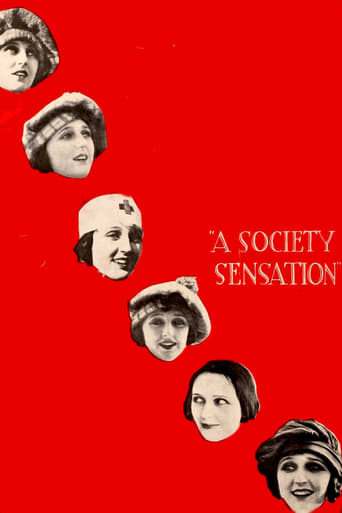
Titles linked here include All Night (1918), A Society Sensation (1918).
When was Carmel Myers born and when did she die?
Born April 4, 1899; died November 9, 1980.
What awards did Carmel Myers win?
While Carmel Myers did not receive major acting awards during her career, she was honored with a star on the Hollywood Walk of Fame at 1722 Vine Street, recognizing her contributions to American cinema.
What was Carmel Myers' acting style?
Myers was known for her elegant and sophisticated screen presence, specializing in vamp roles with intelligence and wit. Her silent film acting was expressive and theatrical, while she possessed a clear, well-modulated voice that served her well in talkies.
How did Carmel Myers transition from silent films to talkies?
Myers successfully transitioned to sound films due to her clear speaking voice and prior attention to diction. Her performance in 'Svengali' (1931) demonstrated her ability to excel in the new medium, unlike many of her silent-era contemporaries.
What did Carmel Myers do after her acting career?
After her film career ended in the early 1930s, Myers became a successful real estate investor and businesswoman in Los Angeles. She maintained her social status in Hollywood circles and lived comfortably on her investments for the rest of her life.