
Beau Brummel
"Credit spent, mirrors cracked"
Keys: Space play/pause · ←/→ 10s · F fullscreen · M mute · </> speed
About this film
Regency dandy Beau Brummell loses Lady Margery to Lord Alvanley and consoles himself with revelry until debt and royal disfavor destroy his credit. John Barrymore stars in Philip Moeller's silent portrait of fashion, pride, and exile.
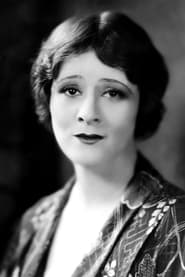
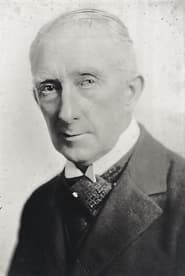
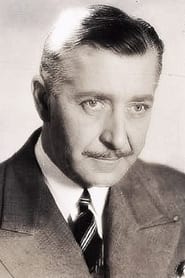
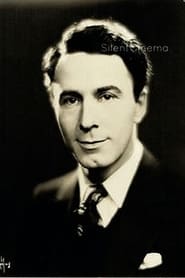
Cast & crew
More films like this

More Drama films
View all →







More from Harry Beaumont
View all →

More about this film
About the production
Release dateSeptember 8, 1924
BudgetExact budget figures are not documented, but estimated at $200,000-$300,000, a substantial sum for a silent film in 1924
Box officeThe film was a major commercial success, though precise box office figures are not available from this era
ProductionWarner Bros. Pictures
Filmed inWarner Bros. Studios, Burbank, California
The production required extensive research into Regency-era England, with particular attention to historical accuracy in costumes and social customs. John Barrymore was given unusual creative control over his performance and costume design, working closely with designer Adrian. The film featured some of the most elaborate sets Warner Bros. had constructed to date, including detailed recreations of Regency ballrooms and drawing rooms. The production faced challenges in creating authentic period atmosphere while accommodating the technical requirements of silent film acting.
Themes
Social climbing and the pursuit of statusThe destructive nature of obsessionThe conflict between love and social dutyThe transience of fame and fortuneThe relationship between fashion and identity
Themes & topics
historical dramafashionsocial climbingunrequited lovearistocracyRegency periodmilitary officerdownfallobsessionsocietygamblingtragedyperiod costumeBritish historyclass differences
Historical background
Beau Brummel (1924) translated a hit stage play into silent spectacle as Hollywood mined British historical romance.
Why this film matters
Barrymore's costume-drama persona here bridges his stage matinee-idol image and later sound tragedian roles.
Making of
The production of 'Beau Brummel' was a significant undertaking for Warner Bros., who were still establishing themselves as a major studio capable of producing prestige films. John Barrymore, at the height of his silent film stardom, was given unprecedented creative control over the project, including final approval of costumes, sets, and even some casting decisions. Director Harry Beaumont worked closely with Barrymore to create a visually sophisticated film that would showcase the actor's dramatic range. The production required months of research into the Regency period, with historians consulted to ensure accuracy in everything from social customs to architectural details. The elaborate ballroom sequences involved hundreds of extras and required weeks of rehearsal to choreograph the period dances and social interactions. Behind the scenes, Barrymore's notorious drinking habits sometimes caused delays, though his professionalism during actual filming was never questioned. The film's success helped convince Warner Bros. to invest in more ambitious productions, paving the way for their later innovations in sound technology.
What critics said
Reviews admired Barrymore's wardrobe and pathos; the film survives as a prime example of 1920s historical pageantry.
Did you know?
- John Barrymore considered his performance as Beau Brummel to be one of his finest roles in silent cinema, often citing it as a personal favorite
- The film was based on a popular 1890 stage play by Clyde Fitch, which had been previously adapted for film in 1913
- Mary Astor was only 18 years old when she played Lady Margery, marking one of her first major dramatic roles
- The elaborate period costumes were designed by Adrian, who would later become famous for his work at MGM and his collaboration with Greta Garbo
- This was one of the first major prestige productions for Warner Bros., helping establish the studio's reputation for quality films
- Willard Louis, who played Lord Alvanley, died of tuberculosis shortly after the film's release at age 40, making this one of his final film appearances
- The film's success helped establish John Barrymore as one of the highest-paid actors of the 1920s, earning approximately $5,000 per week
- The real Beau Brummel (1778-1840) was a historical figure who became the Prince Regent's close friend and set fashion standards that influenced English society for decades
- The film featured an early use of the Vitaphone sound-on-disc system for musical accompaniment in some theaters, prefiguring the coming sound revolution
- The film's sets were so elaborate and expensive that Warner Bros. reused them in several subsequent productions to maximize their investment
Awards & recognition
- National Board of Review - One of the Ten Best Films of 1924
- Photoplay Magazine Medal of Honor - Special Recognition for John Barrymore's Performance
Visual style
The cinematography of 'Beau Brummel' was handled by Byron Haskin, who employed sophisticated techniques to capture the elegance and drama of the Regency period. The film featured extensive use of soft focus lighting to create romantic atmosphere, particularly in scenes between Barrymore and Astor. Haskin utilized complex camera movements for the time, including tracking shots that followed characters through elaborate ballroom sequences. The cinematography emphasized the contrast between the opulent world of high society and Brummel's eventual decline through careful use of lighting and composition. The film's visual style was praised for its ability to convey emotional depth and historical authenticity without relying on dialogue. Haskin's work demonstrated the growing sophistication of silent film cinematography, using visual storytelling techniques that enhanced the narrative and character development.
Innovations
'Beau Brummel' featured several technical innovations for its time, including the use of the Vitaphone sound-on-disc system for musical accompaniment in some theaters, prefiguring the coming sound revolution in cinema. The film's production design employed advanced techniques for creating realistic period settings on studio backlots, using forced perspective and matte paintings to expand the apparent size of the sets. The elaborate costumes created historical authenticity while allowing for the freedom of movement necessary for silent film acting. The film's editing techniques were considered advanced for the period, with smooth transitions between scenes and effective use of cross-cutting to build dramatic tension. The lighting design was particularly sophisticated, using new techniques to create mood and atmosphere without the benefit of dialogue.
Music
As a silent film, 'Beau Brummel' was originally presented with a musical score performed live in theaters. The score was composed by William Axt and David Mendoza, who created original music specifically for the film. The music incorporated popular melodies from the Regency period along with original compositions that enhanced the emotional impact of key scenes. Some theaters presented the film with the Vitaphone sound-on-disc system, which provided a synchronized musical score and sound effects. The music was particularly noted for its ability to capture the elegance and sophistication of the period setting while underscoring the dramatic elements of the story. The score featured themes associated with each main character, using leitmotifs to enhance emotional continuity throughout the narrative.
Famous quotes
A man can be happy with any woman as long as he does not love her.
Fashion is what one wears oneself. What is unfashionable is what other people wear.
To be truly elegant, one should not be noticed.
The difference between a man of genius and a man of fashion is that the one is admired, the other is imitated.
If people turn to look at you on the street, you are not well dressed.
Memorable scenes
- The opening ballroom scene where Beau Brummel first captivates society with his wit and revolutionary fashion sense
- The emotional farewell between Brummel and Lady Margery when she chooses duty over love
- The dramatic gambling sequence that marks Brummel's descent into financial ruin and social disgrace
- The final scene showing Brummel's reduced circumstances and reflection on his life choices
- The confrontation scene between Brummel and the Prince Regent where their friendship ends
- The fashion show sequence where Brummel demonstrates his influence on men's style
What audiences thought
'Beau Brummel' was a major commercial success upon its release, playing to capacity audiences in major cities across the United States for extended runs. The film particularly appealed to sophisticated urban audiences who appreciated its historical setting and dramatic storytelling. John Barrymore's star power drew significant crowds, with many theaters reporting record attendance during the film's initial engagement. Audience reaction was overwhelmingly positive, with many viewers expressing admiration for Barrymore's performance and the film's lavish production values. The film's success was especially notable for Warner Bros., as it helped establish the studio's reputation for producing high-quality, prestigious productions that could compete with those of more established studios. Word-of-mouth recommendations were strong, and the film continued to draw audiences well beyond its initial release period.
Film connections
Influenced by
- The 1890 play 'Beau Brummel' by Clyde Fitch
- Earlier biographical films about historical figures
- The tradition of Regency romance literature
- Contemporary fascination with European aristocracy
- The growing popularity of costume dramas in the 1920s
This film influenced
- Later biographical dramas about historical figures
- Costume dramas of the late 1920s and early 1930s
- Films about fashion and social influence
- Later adaptations of the Beau Brummel story
- Warner Bros.' subsequent prestige productions
Film restoration
'Beau Brummel' has survived in its complete form and is preserved in the Library of Congress and other film archives. The film has been restored and is available on DVD and through various streaming platforms. The restoration work has preserved the film's visual quality and allows modern audiences to appreciate the cinematography and production design. Some versions include the original musical score composed for the film. The preservation status is considered good, with multiple copies existing in various archives worldwide.
Where to watch
- Available on DVD from Warner Bros. Archive Collection
- Streaming on The Criterion Channel
- Available on Amazon Prime Video for rental or purchase
- Occasionally shown on Turner Classic Movies
- Available through some university film archives and libraries
- Accessible on the Warner Bros. streaming platform