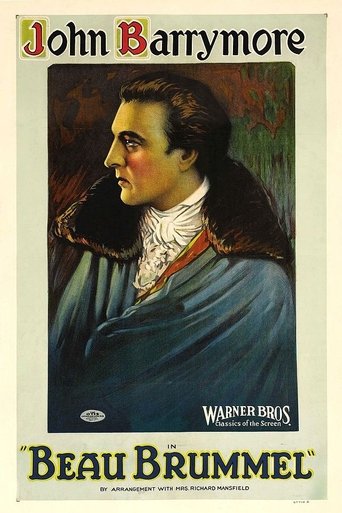
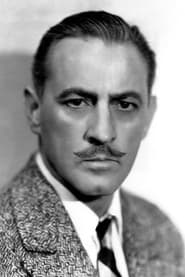
John Barrymore
Actor
Born: February 15, 1882 in Philadelphia, Pennsylvania, USA Died: May 29, 1942 Active: 1903-1942 Birth Name: John Sidney Blyth Barrymore
Films
10 films

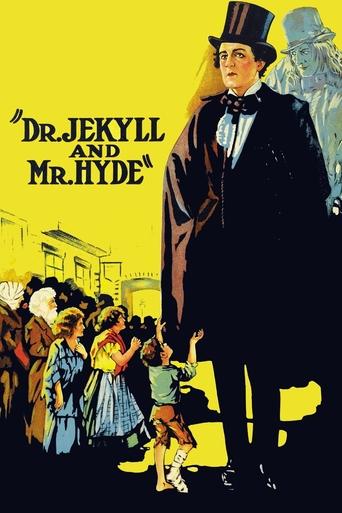
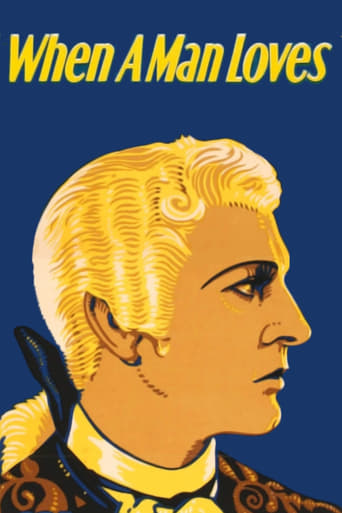
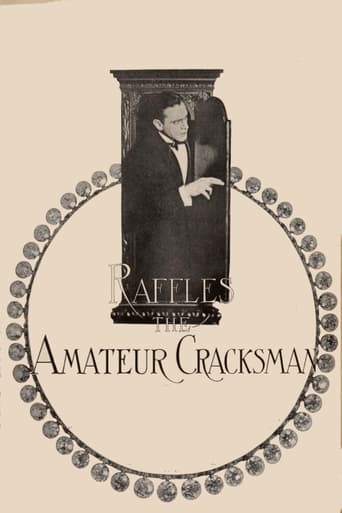
About John Barrymore
John Barrymore, known as 'The Great Profile,' was actors of the early 20th century, achieving status on both stage and screen. Born into the famous Barrymore acting dynasty, he initially conquered Broadway with acclaimed performances in Shakespearean classics like 'Richard III' and 'Hamlet,' establishing himself as one of America's foremost classical actors. Transitioning to films in the 1920s, he created his most screen role as the dual character in 'Dr. Jekyll and Mr. Hyde' (1920), showcasing his remarkable range and intensity. His portrayal of Don Juan in the 1926 film of the same name made him the first romantic leading man of the sound era and solidified his status as a major movie star. Despite his success, Barrymore struggled with alcoholism throughout his career, which increasingly affected his work and personal life as he aged. He successfully navigated the transition to talkies with his distinctive voice and commanding presence, though his later years were marked by declining health and erratic behavior. Barrymore's legacy endures not only through his memorable performances but also as a symbol of the bridge between theatrical tradition and cinematic naturalism, influencing generations of performers who followed.
The Craft
On Screen
Barrymore's acting style combined classical theatrical training with emerging cinematic naturalism, characterized by his powerful stage presence, expressive facial features, and distinctive resonant voice. He was renowned for his ability to convey deep emotional complexity through subtle gestures and intense gazes, particularly excelling in close-ups where his famous profile became. His performances ranged from grand, theatrical gestures in his Shakespearean roles to more restrained, naturalistic delivery in his film work, demonstrating remarkable versatility. Barrymore possessed a unique ability to switch between comedy and tragedy seamlessly, often within the same performance, and his magnetic charisma made him equally convincing as romantic heroes and tormented villains.
Milestones
- Broadway triumph as Hamlet (1922), considered one of the greatest Shakespearean performances of his era
- Breakthrough film role in 'Dr. Jekyll and Mr. Hyde' (1920) playing dual characters
- Starred as the romantic lead in 'Don Juan' (1926), the first film with a synchronized musical score
- Successful transition to talkies with 'The Show of Shows' (1929) and other early sound films
- Memorable supporting roles in 'Grand Hotel' (1932) and 'Dinner at Eight' (1933)
- Member of the Barrymore acting dynasty alongside siblings Lionel and Ethel
Best Known For
Iconic Roles
Must-See Films
Accolades
Special Recognition
- Hollywood Walk of Fame star at 1725 Vine Street
- Inducted into the American Theatre Hall of Fame
- Featured on a U.S. Postage stamp as part of the Legends of Hollywood series (1999)
Working Relationships
Worked Often With
Studios
Why They Matter
Impact on Culture
John Barrymore significantly impacted both theatrical and cinematic culture by successfully bridging the gap between 19th-century stage traditions and 20th-century film performance. His ability to adapt classical acting techniques for the camera helped establish the template for film acting that would influence generations of performers. As one of the first true matinee idols, Barrymore helped create the concept of the movie star as a cultural phenomenon, with his personal life becoming as much public fascination as his professional work. His performances in literary adaptations like 'Dr. Jekyll and Mr. Hyde' and 'Sherlock Holmes' helped establish these characters as enduring pop culture figures, while his portrayal of Don Juan created the archetype for cinematic romantic leading men.
Lasting Legacy
Barrymore's legacy endures through his extensive body of work that continues to be studied and admired by film scholars and actors alike. He is remembered as one of the greatest actors of his generation, whose contributions helped legitimize film acting as an art form worthy of serious consideration alongside classical theater. The Barrymore name remains synonymous with theatrical excellence and dramatic talent, with subsequent generations of the family continuing the acting tradition. His performances are frequently cited as masterpieces of early cinema, particularly his transformative work in 'Dr. Jekyll and Mr. Hyde,' which remains.
Who They Inspired
Barrymore influenced countless actors through his innovative approach to film acting, demonstrating how theatrical techniques could be adapted for the intimacy of the camera. His method of combining grand gestures with subtle emotional nuance became a model for actors transitioning from stage to screen. Future stars like Clark Gable, Errol Flynn, and even later actors like Marlon Brando studied Barrymore's screen technique and charismatic presence. His ability to maintain artistic integrity while achieving commercial success set a precedent for actors who followed, proving that one could be both a serious artist and a movie star.
Off Screen
Barrymore's personal life was as dramatic as his screen roles, marked by four turbulent marriages, chronic alcoholism, and financial difficulties that often overshadowed his professional achievements. Despite his charismatic public persona, he struggled with personal demons throughout his life, with his drinking problem becoming increasingly severe in his later years. He was a devoted but often absent father to his children, and his relationships were frequently volatile due to his infidelity and substance abuse. Barrymore's final years were marked by declining health, memory loss, and professional decline, though he maintained his wit and charm until the very end.
Education
Attended Georgetown Preparatory School and Kent School, but was expelled from both institutions. Received his dramatic training primarily through family influence and practical experience rather than formal education, though he studied art briefly in Paris before committing to acting.
Family
- Katherine Corri Harris (1910-1917)
- Blanche Oelrichs (1920-1928)
- Dolores Costello (1928-1935)
- Elaine Barrie (1936-1941)
Did You Know?
- His profile was so famous that it was insured for $100,000 by a studio in the 1920s
- He was a talented artist and cartoonist, often drawing caricatures of fellow actors
- Barrymore could recite the entire works of Shakespeare from memory
- He once walked off a film set because he was served warm champagne instead of cold
- His final words were reportedly 'Die? I should say not, dear fellow. No Barrymore would allow such a conventional thing to happen to him.'
- He was an accomplished amateur boxer and maintained a boxing ring in his home
- Barrymore's brother Lionel and sister Ethel were also actors, making them the most famous acting family in Hollywood history
- He was known for his elaborate practical jokes, once filling a swimming pool with champagne
- Despite his alcoholism, he was remarkably disciplined about his craft and never missed a performance due to drinking
- His granddaughter Drew Barrymore is one of the few members of the Barrymore dynasty still actively acting
In Their Own Words
An actor's life is a treadmill of public adulation and private misery.
Love is a delightful illusion created by the imagination to make life bearable.
The only thing I regret about my past is the length of it. If I had to live my life again, I'd make the same mistakes, only sooner.
I am a master of the art of survival. I've been doing it all my life.
Hollywood is a place where they'll pay you a thousand dollars for a kiss and fifty cents for your soul.
Frequently Asked Questions
Who was John Barrymore?
American with credits in this catalog. He was part of the famous Barrymore acting dynasty and is considered one of the greatest actors of his generation.
What films is John Barrymore best known for?
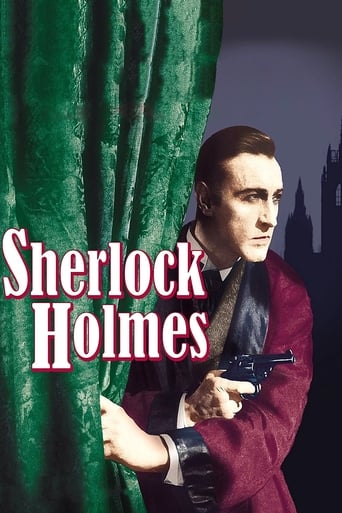
Titles linked here include Dr. Jekyll and Mr. Hyde (1920), Sherlock Holmes (1922).
When was John Barrymore born and when did he die?
Born February 15, 1882; died May 29, 1942.
What awards did John Barrymore win?
While Barrymore worked before the modern awards system was established, he received posthumous recognition including a star on the Hollywood Walk of Fame and induction into the American Theatre Hall of Fame. He was also featured on a U.S. Postage stamp in 1999 as part of the Legends of Hollywood series.
What was John Barrymore's acting style?
Barrymore's acting style combined classical theatrical training with cinematic naturalism, characterized by his powerful presence, expressive features, and distinctive voice. He was known for his ability to convey deep emotion through both grand gestures and subtle expressions, making him equally effective in both intimate close-ups and dramatic scenes.
How was John Barrymore related to other famous actors?
John Barrymore was the brother of actors Lionel Barrymore and Ethel Barrymore, making them the most famous acting family in Hollywood history. He was the father of John Drew Barrymore and grandfather of actress Drew Barrymore.
What was John Barrymore's nickname?
Barrymore was famously nicknamed 'The Great Profile' due to his distinctive and handsome facial features, particularly his prominent jawline and aquiline nose, which became his trademark and were even insured by a studio.