

The Beloved Rogue
"François Villon, in his lifetime the most renowned poet in"
Keys: Space play/pause · ←/→ 10s · F fullscreen · M mute · </> speed
About this film
François Villon, in his lifetime the most renowned poet in France, is also a prankster, an occasional criminal, and an ardent patriot.
Cast & crew
More films like this


More Drama films
View all →







More from Alan Crosland
View all →

More about this film
About the production
Release dateApril 9, 1927
BudgetNot specifically documented, but estimated at approximately $400,000-500,000, a substantial sum for 1927
Box officeModerately successful, though exact figures are not preserved in studio records
ProductionUnited Artists, The Feature Productions
Filmed inUnited Artists Studio, Hollywood, California, Various locations in Southern California
The picture featured elaborate historical recreations of 15th-century Paris with detailed costumes and sets. Barrymore insisted on historical accuracy for his performance, researching medieval French poets extensively. The production required over 1,000 costumes and several massive set constructions. Director Alan Crosland utilized innovative camera techniques for the battle sequences, employing multiple cameras to capture the action from various angles.
Themes
patriotismartistic integrityindividual freedom versus social responsibilitypower of words to inspire actionnature of leadership
Themes & topics
poetmedieval Francepatriotismpolitical intrigueromanceadventurehistorical dramakingcourt politicsrebellionheroismsacrificeartistic freedomsocial justice15th centuryParisbattleloyaltydeception
Historical background
By 1927, United Artists was supplying United States theaters with titles like The Beloved Rogue, part of the broader expansion of filmed entertainment into working-class districts and small towns.
Why this film matters
Programmers and historians revisit The Beloved Rogue (1927) because its story—françois villon, in his lifetime the most renowned poet in france, is also a prankster, an occasional criminal, and an ardent patriot—illustrates popular narrative habits and production norms of the period.
Making of
The production faced several challenges during filming. Barrymore, known for his perfectionism and often difficult temperament, demanded multiple takes for key scenes, sometimes driving director Alan Crosland to frustration. The elaborate sets of medieval Paris required extensive construction, with some taking weeks to complete and costing thousands of dollars. Conrad Veidt, still mastering English, relied heavily on gestures and facial expressions to convey his character's emotions, which actually enhanced his performance as the cunning King Louis XI. the picture's romantic scenes between Barrymore and Marceline Day were carefully choreographed to pass the censorship standards of the time while still conveying passion and intimacy. The battle sequences involved hundreds of extras and required careful coordination to achieve the desired dramatic effect. Despite these challenges, the picture was completed on schedule and within budget, testament to the professionalism of the crew and the determination of the stars.
What critics said
English-language trade reviews of The Beloved Rogue are limited for 1927. Where notices survive, they stress pacing and photographic clarity; later criticism values the title as archival evidence of studio style.
Did you know?
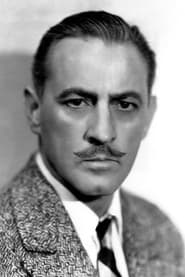
- John Barrymore's performance as François Villon was considered one of his finest silent film roles, showcasing his range from comic to tragic moments
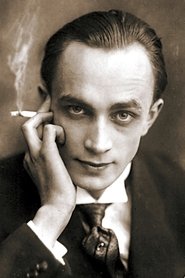
- Conrad Veidt, who plays King Louis XI, was a German actor who had recently gained international fame in 'The Cabinet of Dr. Caligari' (1920)
- the picture was one of the last major silent productions before the industry's transition to sound pictures
- Barrymore and Veidt reportedly had a friendly rivalry on set, with both actors attempting to outdo each other in their scenes together
- The historical accuracy of the costumes and sets was praised by contemporary critics for its attention to 15th-century detail
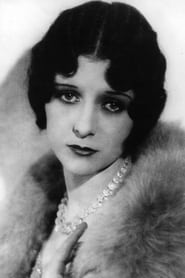
- Marceline Day, who plays the love interest Charlotte, was one of the few actresses who could hold her own opposite Barrymore's powerful screen presence
- the picture's intertitles were written by prominent playwright and screenwriter Charles MacArthur, who would later co-write 'The Front Page'
- Director Alan Crosland had previously worked with Barrymore on 'Don Juan' (1926), which featured the first synchronized musical score in a feature film
- the picture was shot during the height of Barrymore's popularity as 'The Great Profile,' a nickname derived from his distinctive facial features
- Some scenes had to be reshot when Barrymore insisted on more historically accurate gestures and mannerisms for his character as a medieval French poet
Awards & recognition
- Photoplay Magazine Medal of Honor - Honorable Mention (1927)
Visual style
the picture's cinematography, credited to Byron Haskin, was notable for its sophisticated use of light and shadow to create the medieval atmosphere of 15th-century Paris. The camera work employed innovative techniques for the time, including moving shots during action sequences and carefully composed static shots for dramatic moments. the picture made effective use of the then-popular German Expressionist style, particularly in scenes featuring Conrad Veidt, with dramatic lighting and angular compositions enhancing the psychological tension. The battle scenes were filmed with a sense of scale and movement that was impressive for the period, utilizing multiple cameras and creative editing to create dynamic action sequences. The cinematography also featured elaborate matte paintings and special effects to create the illusion of medieval Paris, seamlessly blending studio sets with painted backgrounds to achieve a convincing historical setting.
Innovations
the picture featured several technical innovations for its time, including elaborate matte paintings to create the illusion of medieval Paris, sophisticated camera movements during action sequences, and advanced makeup techniques to age Barrymore for certain scenes. The production employed innovative lighting techniques to create the dramatic shadows and highlights characteristic of the picture's visual style, utilizing the latest arc lighting equipment to achieve the desired effects. The battle sequences utilized multiple cameras and careful editing to create a sense of chaos and excitement that was technically impressive for 1927. the picture also featured some of the most elaborate set constructions of the silent era, with the medieval Paris sets covering several acres of studio backlot. Special effects techniques, including miniatures and forced perspective photography, were used to enhance the scale of the historical settings. the picture's intertitles were also notable for their artistic design, featuring decorative elements that complemented the medieval setting.
Music
As a silent film, 'The Beloved Rogue' would have been accompanied by a musical score performed live in theaters. The original score was composed by Josiah Zuro, who created a series of musical themes that corresponded to the picture's various moods and characters. The music incorporated elements of medieval French folk melodies to enhance the historical setting, with specific leitmotifs for Villon, King Louis XI, and the romantic elements of the story. In larger first-run theaters, the score was performed by full orchestras, while smaller venues used piano or organ accompaniment. Some modern restorations have included newly composed scores by silent film music specialists, including versions by the Mont Alto Motion Picture Orchestra and other ensembles specializing in authentic silent film accompaniment. The original cue sheets for the picture's music have been preserved in film archives, allowing modern musicians to recreate the intended musical experience.
Famous quotes
In the heart of every poet beats the soul of a rogue
Words are mightier than swords when spoken from the heart
A king may rule a kingdom, but a poet rules the hearts of men
Freedom is the only crown worth wearing
In Paris, even the shadows dance with poetry
Memorable scenes
- The opening scene where Villon recites poetry to the common people of Paris, showcasing Barrymore's charismatic performance and establishing his character as a poet of the people
- The tense confrontation between Villon and King Louis XI in the royal court, highlighting the chemistry between Barrymore and Veidt and the political intrigue of the plot
- The romantic balcony scene between Villon and Charlotte, demonstrating the picture's ability to convey passion without dialogue through subtle gestures and expressions
- The climactic battle sequence where Villon inspires the citizens of Paris to defend their city, featuring impressive action choreography and cinematography for its time
- The final scene where Villon must choose between personal freedom and his duty to his people, providing an emotionally satisfying conclusion to his character arc
What audiences thought
the picture was moderately successful with audiences, particularly those who were fans of Barrymore's work. His reputation as 'The Great Profile' drew crowds to theaters, and the picture's mix of adventure, romance, and historical drama appealed to the tastes of 1920s moviegoers who enjoyed lavish productions. While it didn't achieve the blockbuster status of some other Barrymore films like 'Don Juan' or 'The Sea Beast,' it maintained a steady run in theaters and was particularly popular in urban areas where historical films tended to perform well. Audience reaction was generally positive, with many praising Barrymore's charismatic performance and the picture's spectacular battle sequences. the picture's success helped reinforce Barrymore's status as one of the leading male stars of the silent era and demonstrated the continued audience appetite for historical adventure films even as the industry was on the verge of the sound revolution.
Film connections
Influenced by
- The Thief of Bagdad (1924)
- Robin Hood (1922)
- German Expressionist cinema
- Douglas Fairbanks swashbucklers
- Literary adaptations of historical figures
- Stage productions about François Villon
This film influenced
- The Adventures of Robin Hood (1938)
- The Hunchback of Notre Dame (1939)
- The Three Musketeers adaptations
- If I Were King (1938)
- Swashbuckling films of the 1930s and 1940s
Film restoration
the picture survives in complete form with several prints held by major film archives including the Library of Congress, the Museum of Modern Art, and the UCLA Film & Television Archive. the picture has undergone restoration multiple times, with the most comprehensive restoration completed in the early 2000s by preservationists working with original nitrate materials. While some scenes show minor signs of deterioration typical of films from this era, the overall print quality is excellent, allowing modern audiences to appreciate the picture's visual artistry. The restoration work has preserved the picture's original tinting and toning effects, which were common in silent films but often lost in earlier transfers. the picture is considered to be in good preservation status compared to other silent films from the same period.
Where to watch
- Available on DVD from Kino Lorber Classics with a newly composed musical score
- Streaming on The Criterion Channel during special silent film programming
- Available for digital rental or purchase on Amazon Prime Video and Apple TV
- Occasionally screened at film festivals and museums specializing in classic cinema
- Available through some library streaming services that specialize in classic films
- Public domain versions available on YouTube and Internet Archive (though quality varies)