
Lucy Beaumont
Actor
Born: May 18, 1869 in London, England Died: April 24, 1937 Active: 1924-1929 Birth Name: Lucy Beaumont (no stage name change)
Films
6 films
About Lucy Beaumont
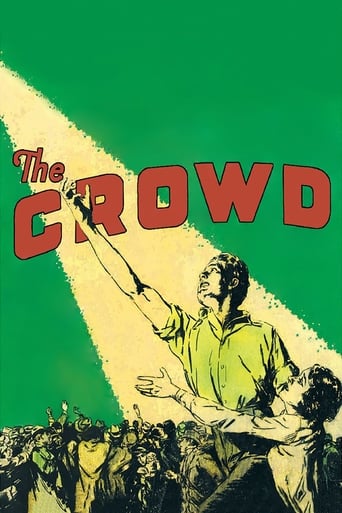
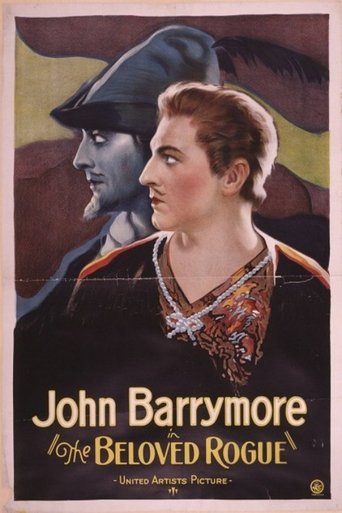
English actress who successfully transitioned from stage to screen during the silent film era, becoming a prolific character actress in Hollywood. Born in 1869, she began her career on the British stage before making her way to American cinema in the 1920s. She quickly established herself as a reliable supporting player, often portraying mothers, aunts, and matronly figures in both dramatic and comedic roles. Beaumont worked with some of the biggest stars of the era, including John Barrymore in 'The Beloved Rogue' and appeared in King Vidor's acclaimed masterpiece 'The Crowd.' Her the crucial transition period from silent films to early talkies, though her filmography was primarily concentrated in the mid-to-late 1920s. Despite her relatively brief film career, she amassed an impressive number of credits, appearing in over 30 films between 1924 and 1929. Beaumont's performances were characterized by their naturalistic quality and emotional depth, making her a memorable presence even in smaller roles.
The Craft
On Screen
Lucy Beaumont was known for her naturalistic and understated acting style, which stood out during an era often characterized by exaggerated theatrical gestures. She brought a quiet dignity and emotional authenticity to her matronly roles, using subtle facial expressions and restrained movements to convey complex emotions. Her stage background gave her a strong foundation in character development, allowing her to create believable and relatable supporting characters. Beaumont's performances were marked by their warmth and sincerity, making her particularly effective in motherly and nurturing roles.
Milestones
- Stage career in England before transitioning to film
- Breakthrough in Hollywood silent cinema in 1924
- Memorable role in King Vidor's 'The Crowd' (1928)
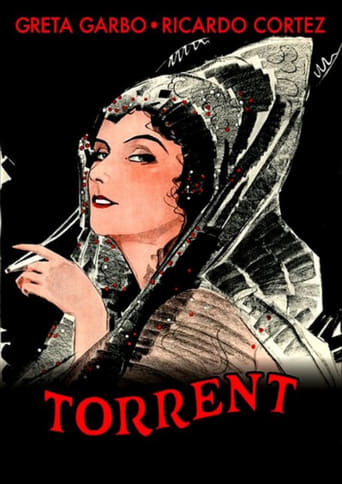
- Work with major stars like John Barrymore and Greta Garbo
- Successful transition from stage to screen during silent era
Best Known For
Iconic Roles
Must-See Films
Accolades
Special Recognition
- Recognized as a reliable character actress during Hollywood's silent era
Working Relationships
Worked Often With
Studios
Why They Matter
Impact on Culture
Lucy Beaumont contributed to the golden age of silent cinema by embodying the archetype of the dignified, nurturing mother figure that was central to many family dramas of the era. Her work in 'The Crowd,' now recognized as one of the greatest American films ever made, places her within an important historical context of cinema's artistic development. As a British actress who successfully transitioned to Hollywood, she was part of the international exchange of talent that characterized early American cinema. Her performances helped establish the template for supporting character actresses in film, demonstrating how smaller roles could significantly impact a film's emotional core.
Lasting Legacy
Lucy Beaumont's legacy lies in her contributions to some of the most significant films of the silent era, particularly her role in 'The Crowd,' which continues to be studied by film scholars and enthusiasts. As the mother of Evelyn Laye, she established a theatrical dynasty that spanned multiple generations and different entertainment mediums. Her career represents the journey of many stage actors who successfully adapted their craft for the new medium of cinema during its formative years. While not a major star, her consistent work ethic and reliable performances made her an integral part of Hollywood's studio system during the 1920s.
Who They Inspired
Beaumont influenced subsequent generations of character actresses by demonstrating how supporting roles could be performed with depth and authenticity. Her naturalistic acting style, which avoided the excessive gesturing common in early cinema, prefigured the more subtle approach that would become standard in later film acting. Through her work in ensemble casts, she helped establish the importance of strong supporting performances in creating cohesive and emotionally resonant films.
Off Screen
Lucy Beaumont was married to Henry Morris, a civil engineer, and was the mother of Evelyn Laye, who became a famous musical theater star. The family had strong theatrical connections, with her daughter achieving great success on both the London and Broadway stages. Beaumont balanced her family life with her acting career, making the transition from British stage to American film during her later years. Her personal life remained relatively private, with most public attention focused on her professional work and her daughter's rising career.
Education
Stage training in England, likely through practical theater experience in the late 19th century
Family
- Henry Morris
Did You Know?
- Was the mother of famous musical theater star Evelyn Laye
- Began her career on the English stage before transitioning to film
- Appeared in over 30 films during her brief Hollywood career
- Worked with both comedy and drama, showing versatility as a character actress
- Her film career was concentrated in just five years (1924-1929)
- Was part of the ensemble cast of 'The Crowd,' considered one of the greatest American films
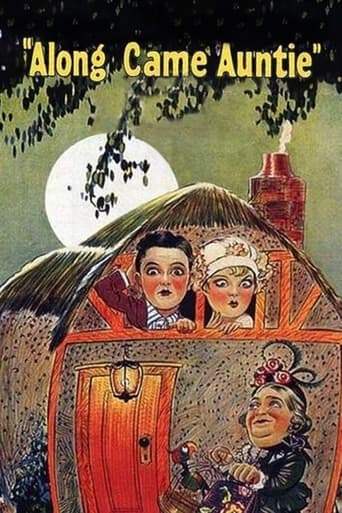
- Appeared in 'Along Came Auntie' (1926), a Hal Roach comedy short
- Worked with major studios including MGM during the golden age of silent film
- Her active years covered the crucial transition period from silent films to talkies
- Represented the type of experienced stage actors who brought legitimacy to early cinema
In Their Own Words
No documented famous quotes from Lucy Beaumont are available in historical records
Frequently Asked Questions
Who was Lucy Beaumont?
English actress who worked in Hollywood during the silent film era, primarily as a character actress playing mothers and matronly figures. She appeared in notable films like 'The Crowd' (1928) and 'The Beloved Rogue' (1927) during her career from 1924-1929.
What films is Lucy Beaumont best known for?
Titles linked here include The Crowd (1928), The Beloved Rogue (1927).
When was Lucy Beaumont born and when did she die?
Born May 18, 1869; died April 24, 1937.
What awards did Lucy Beaumont win?
Lucy Beaumont did not receive any major documented awards during her career, which was typical for character actresses in the silent era. However, she was recognized as a reliable and talented supporting player in Hollywood's studio system.
What was Lucy Beaumont's acting style?
Lucy Beaumont was known for her naturalistic and understated acting style, characterized by subtle facial expressions and emotional authenticity. She avoided the exaggerated gestures common in early cinema, instead bringing a quiet dignity to her matronly roles.
Was Lucy Beaumont related to any other famous performers?
Yes, Lucy Beaumont was the mother of Evelyn Laye, who became a famous musical theater star in both London and Broadway. This theatrical connection made their family notable in entertainment circles.
How long was Lucy Beaumont's film career?
Lucy Beaumont's film career was relatively brief but prolific, spanning from 1924 to 1929. During this five-year period, she appeared in over 30 films, making her a recognizable character actress in Hollywood's silent era.