

Torrent
"A noblewoman's cruelty drives a father and daughter apart."
Keys: Space play/pause · ←/→ 10s · F fullscreen · M mute · </> speed
About this film
In 1926, a young girl and her father are kicked out of their house by a cruel noblewoman, and the girl's heart is broken when her sweetheart, the noblewoman's son, won't go to Paris with them. After becoming an opera star in Paris, the girl returns to her homeland and finds her romance with the nobleman rekindled.
Cast & crew
More films like this

More Romance films
View all →




More from Monta Bell
View all →
More about this film
About the production
Release dateFebruary 21, 1926
ProductionMetro-Goldwyn-Mayer (MGM)
Filmed inMGM Studios, Culver City, California
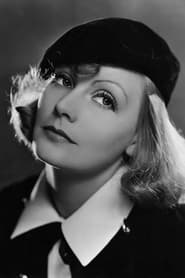
This was Greta Garbo's second American film and her first starring role for MGM. The production faced significant challenges due to Garbo's limited English proficiency, requiring director Monta Bell to communicate through gestures and translators. The opera sequences were particularly elaborate, requiring extensive preparation and training for Garbo to convincingly portray an opera singer. MGM invested heavily in the production values, creating detailed Spanish sets and costumes to establish an authentic atmosphere. The film's success surprised studio executives who were initially uncertain about Garbo's appeal to American audiences.
Themes
Social class barriers and inequalityThe transformative power of loveSacrifice and personal redemptionConflict between passion and social dutyThe emancipation of women through art and success
Themes & topics
Opera singerSpanish settingClass differencesStar-crossed loversFamily oppositionPersonal transformationReturn homeMelodramaSilent film romanceSocial injusticeArtistic success
Historical background
Released in 1926, Torrent reached audiences during late silent cinema, when exhibition and production norms differed sharply from today's.
Why this film matters
Torrent remains viewable through digital archives, preserving 1926 screen culture for modern audiences.
Making of
The production of 'Torrent' was marked by significant challenges, most notably the language barrier between Greta Garbo and the American crew. Having only recently arrived from Sweden, Garbo spoke very limited English, forcing director Monta Bell to rely on gestures, facial expressions, and translators to convey his directions. Despite these communication difficulties, Garbo's natural talent and screen presence shone through. The opera sequences required particularly extensive preparation, with Garbo undergoing training to convincingly portray a professional singer. MGM invested significantly in the production, constructing elaborate Spanish-inspired sets and authentic costumes to create the film's atmosphere. The studio was initially uncertain about Garbo's box office appeal, but her performance in 'Torrent' convinced them of her star potential, leading to a long-term contract and more prominent roles in subsequent productions.
What critics said
Later retrospectives treat Torrent (1926) as representative late silent cinema fare valued by archivists and genre historians.
Did you know?
- This was Greta Garbo's second American film and her first starring role in an MGM production.
- The film was originally titled 'The Torrent' but was shortened to just 'Torrent' for its theatrical release.
- Greta Garbo was paid $500 per week for this film, a substantial increase from her first American film.
- The film was adapted from the novel 'El Bandido' by Spanish author Vicente Blasco Ibáñez.
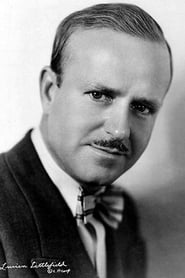
- Director Monta Bell was a former journalist who had previously worked as an assistant to Charlie Chaplin.
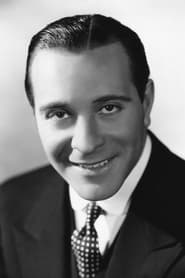
- Ricardo Cortez, who played the male lead, was actually born Jacob Krantz and changed his name to sound more authentically Latin for the role.
- The film was a commercial success and helped establish Garbo as a major star at MGM.
- This was one of the rare occasions where Garbo played a specifically Spanish character in her career.
- The film's elaborate sets were designed by Cedric Gibbons, who would become one of MGM's most influential art directors.
- The opera sequences required Garbo to take singing lessons to convincingly portray her character's profession.
Visual style
The cinematography by William H. Daniels employed the sophisticated techniques common to high-end 1920s silent films, utilizing careful lighting to enhance Garbo's distinctive features and create dramatic emotional moods. The film made effective use of soft focus techniques during romantic scenes to create an ethereal, dreamlike atmosphere, while employing more dramatic, high-contrast lighting for moments of conflict and emotional intensity. The opera sequences featured particularly elaborate lighting setups to simulate the theatrical atmosphere of a grand opera house. Daniels' cinematography helped establish the visual aesthetic that would become associated with Garbo's films - a distinctive combination of glamour, mystery, and emotional depth that emphasized her unique screen presence.
Innovations
While 'Torrent' did not introduce revolutionary technical innovations, it showcased the sophisticated production capabilities of MGM in the mid-1920s. The film's sets were particularly impressive, featuring detailed recreations of Spanish architecture and interiors that required significant resources and craftsmanship. The opera sequences demanded complex staging and lighting techniques to create convincing theatrical performances. The film demonstrated advanced use of the intertitle system to convey narrative information and emotional content effectively in a silent format. The makeup and costume design were also noteworthy, helping to establish Garbo's distinctive screen image and creating authentic period detail.
Music
As a silent film, 'Torrent' did not feature a recorded soundtrack but would have been accompanied by live musical performances in theaters of the era. The musical accompaniment likely included classical pieces, particularly during the opera sequences where appropriate operatic selections would have been used. Original compositions would have been performed to underscore the film's dramatic moments, with romantic themes for the love scenes and more dramatic, tension-building music for moments of conflict and emotional crisis. The musical score would have been carefully synchronized with the on-screen action to enhance the emotional impact and narrative flow of the story.
Memorable scenes
- The dramatic opera performance sequence where Leonora showcases her transformation into a celebrated artist
- The emotional confrontation between Leonora and Don Andres when he refuses to accompany her to Paris
- The powerful reunion scene when Leonora returns as a successful opera singer and encounters Andres again
- The heartbreaking eviction scene where Leonora and her father are forcibly removed from their home by Doña Bernarda
- The final dramatic confrontation between Leonora and Doña Bernarda, where class barriers and personal desires collide
What audiences thought
The film was enthusiastically received by audiences and performed well at the box office, helping to establish Greta Garbo as a bankable star for MGM. Moviegoers were particularly captivated by Garbo's exotic beauty and passionate performance style. The film's romantic storyline and dramatic elements appealed strongly to 1920s audiences, who were drawn to tales of love overcoming social barriers. The success of 'Torrent' generated significant anticipation for Garbo's subsequent films and contributed to the rapid growth of her fan base. Audience response to the film convinced MGM executives of Garbo's commercial potential and led to more substantial roles and increased compensation in her future projects.
Film connections
Influenced by
- European melodrama tradition
- Novels of Vicente Blasco Ibáñez
- Silent film romance conventions of the 1920s
- Grand opera narratives
- Spanish literary romanticism
This film influenced
- Subsequent Greta Garbo star vehicles at MGM
- Romantic dramas featuring foreign actresses in Hollywood
- MGM's sophisticated melodramas of the late 1920s
- Films exploring themes of class and romance
Film restoration
Lost film - no complete copies are known to exist, making it one of the many silent films that have not survived to the present day
Where to watch
- Wikimedia Commons: https://commons.wikimedia.org/wiki/File:Torrent%20(1926).webm