
Arthur Edmund Carewe
Actor
Born: December 30, 1874 in Trebizond, Ottoman Empire (now Trabzon, Turkey) Died: April 22, 1945 Active: 1915-1930 Birth Name: Hovsep Hovsepian
Films
4 films
About Arthur Edmund Carewe
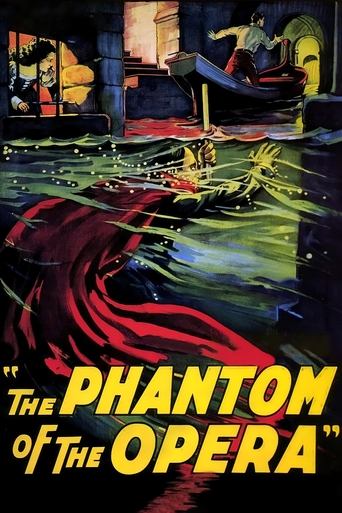
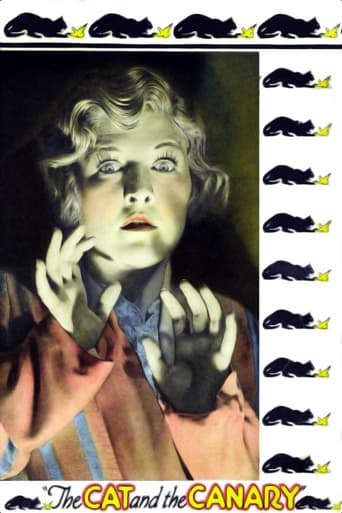
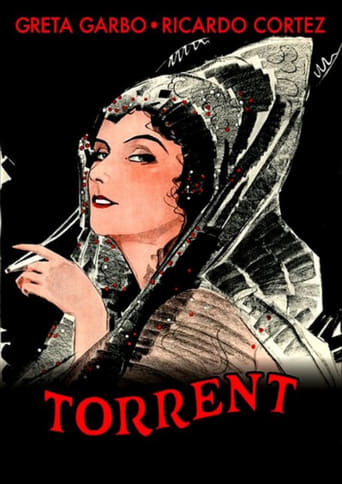
Arthur Edmund Carewe, born Hovsep Hovsepian, was an Armenian-American actor who became a prominent character actor during the silent film era. Born in Trebizond, Ottoman Empire (modern-day Turkey), he immigrated to the United States and began his acting career on the stage before transitioning to films in the mid-1910s. Carewe quickly established himself as a versatile character actor, often playing sophisticated villains, mysterious figures, or exotic characters due to his distinctive appearance and commanding screen presence. His breakthrough came in the early 1920s when he began working with major studios, appearing in numerous successful productions. He reached the height of his career with his memorable performance as Ledoux in Universal's landmark horror film 'The Phantom of the Opera' (1925) opposite Lon Chaney. Carewe continued to work steadily through the mid-1920s, appearing in notable films such as 'Torrent' (1926) with Greta Garbo and 'The Cat and the Canary' (1927). However, like many silent film actors, his career declined with the advent of sound films, and he made only a few appearances in talkies before his retirement. His final years were marked by personal struggles, and he died in relative obscurity in 1945.
The Craft
On Screen
Carewe was known for his intense, theatrical acting style typical of the silent era, characterized by exaggerated facial expressions and dramatic gestures. He specialized in playing sophisticated, often menacing characters with an air of mystery and foreign intrigue. His tall, gaunt frame and piercing eyes made him particularly effective in horror and suspense films, where he could convey menace without dialogue. Carewe brought a stage actor's precision to his film performances, using his entire body to express emotion and character motivation.
Milestones
- Stage career in New York before transitioning to films
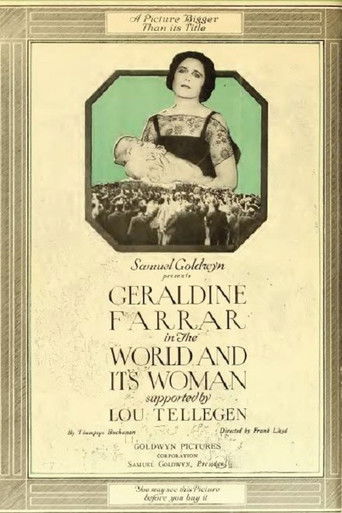
- Breakthrough role in 'The World and Its Woman' (1919)
- Memorable performance as Ledoux in 'The Phantom of the Opera' (1925)
- Supporting role in Greta Garbo's American debut 'Torrent' (1926)
- Key role in Universal horror classic 'The Cat and the Canary' (1927)
Best Known For
Iconic Roles
Must-See Films
Accolades
Special Recognition
- Posthumous recognition as a significant character actor of the silent era
Working Relationships
Worked Often With
Studios
Why They Matter
Impact on Culture
Arthur Edmund Carewe contributed significantly to the development of the character actor archetype in American cinema, particularly in the horror and suspense genres. His work in 'The Phantom of the Opera' helped establish the visual language of horror cinema that would influence countless films to come. As an Armenian immigrant who achieved success in Hollywood, he represented the diverse melting pot of talent that characterized early American cinema. Carewe's ability to portray sophisticated, mysterious characters helped create the template for the exotic villain that would become a staple of genre films throughout the 20th century.
Lasting Legacy
Though largely forgotten by mainstream audiences, Arthur Edmund Carewe remains a significant figure among silent film enthusiasts and cinema historians. His performances in classic horror films like 'The Phantom of the Opera' and 'The Cat and the Canary' continue to be studied for their contribution to the horror genre's visual and dramatic conventions. Carewe's career exemplifies both the opportunities available to immigrant actors in early Hollywood and the challenges many faced with the transition to sound films. His work serves as an important reminder of the many talented character actors who contributed to cinema's golden age but have since faded from public memory.
Who They Inspired
Carewe influenced subsequent generations of character actors, particularly those specializing in villainous or mysterious roles. His theatrical yet effective acting style demonstrated how physical presence and facial expression could create memorable characters without dialogue, a technique that continued to be valuable even in sound films. His work in horror films helped establish conventions that would be adopted and refined by later actors in the genre, including Boris Karloff and Bela Lugosi.
Off Screen
Arthur Edmund Carewe led a relatively private personal life, though he experienced several marriages and financial difficulties in his later years. He immigrated to the United States as a young man, escaping the persecution of Armenians in the Ottoman Empire. After establishing himself in Hollywood, he enjoyed the lifestyle of a successful character actor during the silent era. However, his later years were marked by declining health and financial struggles, particularly after his career waned with the transition to sound films. He spent his final years in relative obscurity in Hollywood.
Education
Limited formal education; trained in acting through theater experience in New York
Family
- Ellen M. Carewe (1910-1925)
- Irene Warfield (1926-1930)
Did You Know?
- Changed his name from Hovsep Hovsepian to Arthur Edmund Carewe to make it more marketable in American cinema
- Was one of the few Armenian actors to achieve prominence in Hollywood during the silent era
- His distinctive appearance included a tall, thin frame and piercing eyes that made him ideal for horror films
- Worked with both Lon Chaney and Boris Karloff, two of horror cinema's greatest icons
- Appeared in over 60 films during his career, though most are now lost
- Was a stage actor in New York for nearly a decade before transitioning to films
- His role in 'The Phantom of the Opera' was one of his most substantial and memorable performances
- Like many silent actors, he struggled to adapt to sound films due to his accent
- Died in relative poverty in Hollywood, a common fate for many silent film actors
- His performance in 'The Cat and the Canary' helped establish the 'old dark house' horror subgenre
In Their Own Words
In the silent film, the actor's face must speak volumes where the voice cannot.
Every character, whether hero or villain, deserves to be understood by the audience.
Frequently Asked Questions
Who was Arthur Edmund Carewe?
Armenian-American character with credits in this catalog. He was best known for his roles in horror and suspense films, particularly 'The Phantom of the Opera' (1925) and 'The Cat and the Canary' (1927). Born Hovsep Hovsepian, he was one of the few Armenian actors to achieve prominence in Hollywood during the silent era.
What films is Arthur Edmund Carewe best known for?
Titles linked here include The Phantom of the Opera (1925), The Cat and the Canary (1927).
When was Arthur Edmund Carewe born and when did he die?
Born December 30, 1874; died April 22, 1945.
What awards did Arthur Edmund Carewe win?
Arthur Edmund Carewe did not receive any major formal awards during his career, as was common for character actors in the silent era. However, he has received posthumous recognition from film historians and silent cinema enthusiasts for his contributions to classic horror films and his role as an Armenian-American pioneer in Hollywood.
What was Arthur Edmund Carewe's acting style?
Carewe employed a theatrical, expressive acting style typical of the silent era, characterized by dramatic gestures and exaggerated facial expressions. He specialized in playing sophisticated, often menacing characters with an air of mystery and foreign intrigue. His tall, gaunt frame and intense gaze made him particularly effective in horror and suspense roles, where he could convey menace and emotion without dialogue.