

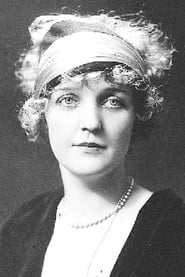


The World and Its Woman
"Opera fame and flight across the ice"
Keys: Space play/pause · ←/→ 10s · F fullscreen · M mute · </> speed
About this film
A Russian peasant girl rises to fame as an operatic diva. She becomes beloved of a Russian prince. When the 1917 revolution overthrows the czar's government, the pair attempts to cross the icy steppes and find their way to America.
Cast & crew
More films like this
More Drama films
View all →







More from Frank Lloyd
View all →

More about this film
About the production
Release dateJune 8, 1919
ProductionFamous Players-Lasky Corporation, Paramount Pictures
Filmed inHollywood, California
The film was produced during the immediate aftermath of World War I and the Russian Revolution, making its themes particularly timely. Geraldine Farrar, a renowned Metropolitan Opera diva in real life, brought authentic operatic expertise to her role. The production faced challenges in recreating the Russian Revolution settings on Hollywood soundstages, requiring elaborate set constructions and winter effects. The film's climactic journey across the steppes was filmed using artificial snow and ice techniques that were innovative for the time.
Themes
Class struggle and social mobilityThe transformative power of artLove transcending social boundariesPolitical revolution and its human costThe clash between old world aristocracy and new world democracy
Themes & topics
Historical background
The World and Its Woman appeared in 1919, when the silent era before Hollywood consolidated into a studio system shaped how movies were financed, distributed, and discussed. Audiences of the day encountered the work amid shifting tastes in acting, pacing, and spectacle. Its focus on a russian peasant girl rises to fame as an operatic diva mirrors themes circulating in popular culture of that moment.
Why this film matters
The World and Its Woman (1919) belongs to the wider archive of world cinema, documenting a russian peasant girl rises to fame as. Archivists and historians value such titles for what they reveal about craft, genre, and audience expectations. Restorations and festival screenings keep the work visible to viewers far beyond its first run.
Making of
The production of 'The World and Its Woman' was notable for its ambitious scope in depicting the Russian Revolution on American soil. Director Frank Lloyd worked closely with art directors to create authentic-looking Russian palaces and peasant villages on Hollywood backlots. The winter sequences were particularly challenging to film in California's climate, requiring the use of early special effects techniques including painted backdrops and artificial snow made from salt and cotton. Geraldine Farrar's operatic background influenced the production significantly, as she insisted on authentic musical details in the performance scenes. The chemistry between Farrar and Tellegen was reportedly genuine, though Tellegen's difficult temperament on set caused some production delays. The film's revolutionary scenes involved hundreds of extras and were choreographed to create the chaos of political uprising, a challenging feat in the early days of cinema.
What critics said
Press coverage from 1919 is fragmentary for many titles of this vintage; surviving notices for The World and Its Woman tend to stress novelty, star power, or topical appeal. Later writing places the picture within its national and generic context, weighing both period conventions and moments that still land for modern viewers. Streaming and disc releases have revived discussion among classic-film audiences.
Did you know?
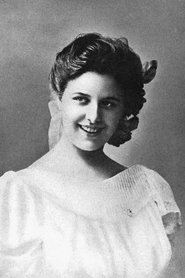
- Geraldine Farrar was actually a world-famous opera singer with the Metropolitan Opera before transitioning to films, making her casting as an opera diva particularly authentic.
- The film was one of the first major Hollywood productions to directly address the Russian Revolution, which had occurred just two years earlier.
- Director Frank Lloyd would later win two Academy Awards for Best Director, though this was before the Oscars were established.
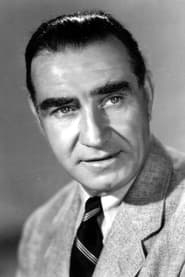
- Lou Tellegen, who played Prince Michael, was a former circus performer and matinee idol who would tragically commit suicide in 1934.
- The film's title was sometimes marketed as 'The World and Its Woman: A Romance of the Russian Revolution' in some advertisements.
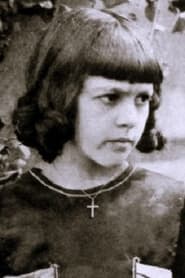
- Mae Giraci, who played the young Marcia, was especially popular child actresses of the silent era.
- The opera sequences featured Farrar actually singing, though in silent films this was conveyed through her acting and intertitles.
- The film was considered quite lavish for its time, with elaborate costumes and sets designed to recreate Russian aristocratic life.
- Some scenes were filmed at the former Pickford-Fairbanks Studios, which was among the leading advanced facilities of the era.
- The film's release coincided with the Red Scare in America, making its depiction of Russian revolution particularly controversial.
Visual style
The cinematography, handled by James Wong Howe and Alfred Gilks, employed sophisticated techniques for the era, including dramatic lighting to contrast the opulence of Russian aristocratic life with the harshness of peasant existence. The winter sequences used innovative methods to create convincing snow and ice effects, including the use of early matte paintings to extend the frozen landscapes. The opera scenes featured elaborate lighting designed to mimic stage lighting, creating a theatrical atmosphere within the cinematic frame. The revolutionary battle sequences employed dynamic camera movement and rapid editing techniques that were advanced for 1919, creating a sense of chaos and urgency. The film also made effective use of close-ups, particularly in scenes featuring Farrar, to convey emotional depth and character development.
Innovations
The film featured several technical innovations for its time, particularly in its recreation of the Russian winter landscape on California soundstages. The production team developed new techniques for creating realistic snow and ice effects using combinations of salt, marble dust, and painted glass. The large-scale revolutionary battle sequences required complex coordination of hundreds of extras and multiple cameras, demonstrating advances in crowd control and scene choreography. The opera house sequences showcased sophisticated set design with movable pieces that allowed for dynamic camera movements. The film also employed early forms of color tinting, with blue tones for winter scenes and amber for interior palace scenes, enhancing the emotional impact of different settings.
Music
As a silent film, 'The World and Its Woman' would have been accompanied by live musical performance in theaters. The score likely incorporated classical Russian composers like Tchaikovsky and Rimsky-Korsakov to establish the film's setting, along with popular romantic themes of the era. The opera scenes would have been particularly important musically, with theaters often featuring actual opera singers performing off-screen during these sequences. Some larger theaters might have commissioned original scores or adaptations of existing classical pieces. The music would have played a crucial role in conveying the emotional journey of the characters, from the peasant village to the opera house to the revolutionary chaos.
Famous quotes
From the mud of the village to the marble of the palace - but the heart remains the same.
In revolution, all titles are meaningless, but love remains eternal.
When the world falls apart, the only thing that matters is the hand you hold.
Art may lift us above our station, but it cannot change where we come from.
Memorable scenes
- The dramatic opera performance where Marcia first captivates Prince Michael and the entire audience with her voice
- The chaotic revolutionary battle scene where the palace is overrun by peasants and soldiers
- The harrowing journey across the frozen steppes as the lovers struggle to survive against nature and pursuers
- The emotional reunion scene in the final act where Marcia and the prince are reunited after their ordeal
What audiences thought
The film was moderately successful at the box office, particularly appealing to audiences who were fans of Geraldine Farrar from her opera career. The combination of romance, political drama, and Farrar's star power proved attractive to post-war audiences seeking both entertainment and relevance. Many viewers were drawn to the film's depiction of the Russian Revolution, which was still fresh news and widely discussed in American society. The movie's themes of love transcending class boundaries resonated with the democratic values of American audiences. However, some viewers found the revolutionary scenes too intense or politically charged during a period of growing anti-communist sentiment in the United States.
Film connections
Influenced by
- The influence of Russian literature on Hollywood storytelling
- Contemporary news coverage of the Russian Revolution
- Earlier melodramas about class differences
- The tradition of opera divas in popular culture
This film influenced
- Later Hollywood films about the Russian Revolution
- Musical biopics about opera singers
- Romantic dramas set against political upheaval
Film restoration
The film is considered partially preserved with some scenes missing. While the main narrative survives, some sequences, particularly from the revolutionary scenes, may be incomplete. The film exists in archives including the Library of Congress and has been partially restored from surviving 35mm elements. Some versions available for viewing are reconstructed from multiple sources and may vary in completeness.
Where to watch
- The film is occasionally screened at silent film festivals and special cinema events
- Some archives and film preservation organizations may have viewing copies available for research
- Public domain versions may be found on certain classic film streaming platforms
- The film is held in the collections of major film archives including the Library of Congress and UCLA Film & Television Archive