
Edward Connelly
Actor
Born: December 29, 1867 in New York City, New York, USA Died: November 21, 1928 Active: 1919-1928
Films
13 films

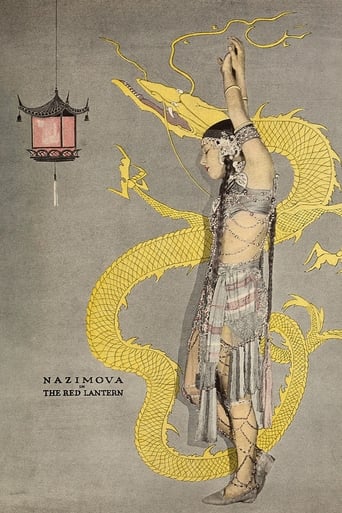

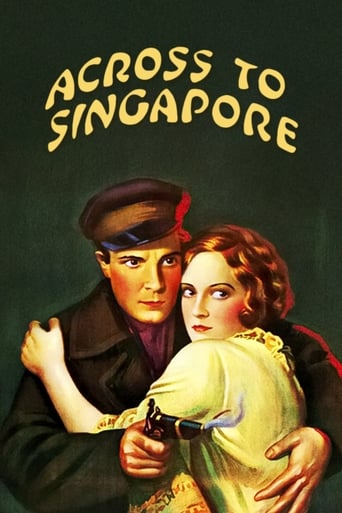

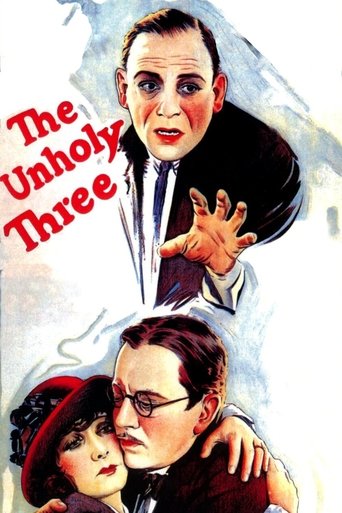
About Edward Connelly
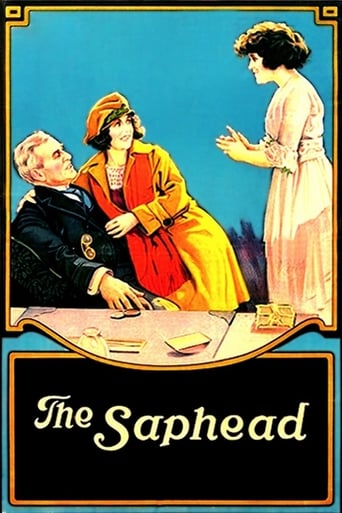
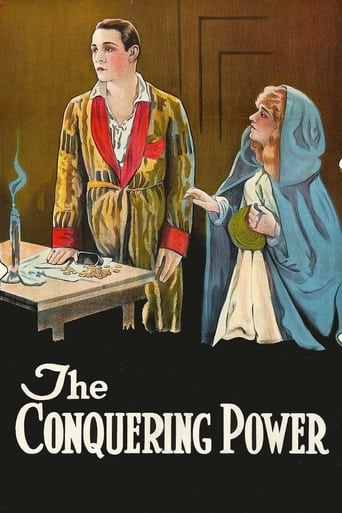
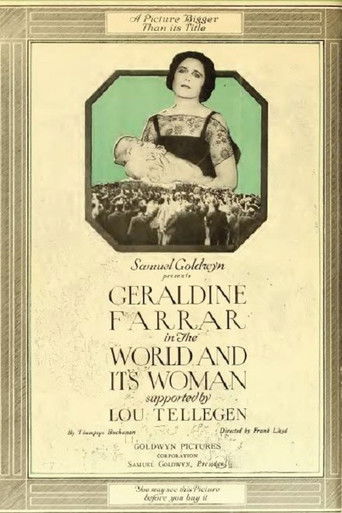
American actor who successfully transitioned from a celebrated stage career to become a prominent character actor in silent films. Born in New York City in 1867, Connelly spent decades honing his craft on the theatrical stage, where he developed a reputation for his commanding presence and versatile acting abilities. He made his film debut relatively late in life, appearing in D.W. Griffith's 'The World and Its Woman' in 1919 at the age of 52, quickly establishing himself as a reliable character actor in Hollywood. Throughout the 1920s, Connelly appeared in numerous prestigious productions, often portraying aristocratic figures, clergymen, judges, and other authority figures, leveraging his dignified appearance and white beard to create memorable characters. He worked with some of the biggest stars of the era, including Rudolph Valentino in 'The Conquering Power' and Buster Keaton in 'The Saphead.' Connelly's career was cut short when he died suddenly in 1928 at the age of 60, just as the transition to sound films was beginning, leaving behind a legacy of over 50 film performances that showcased his theatrical training and natural screen presence.
The Craft
On Screen
Connelly was known for his dignified, authoritative acting style honed from decades of stage experience. He brought theatrical gravitas to his film roles, often portraying figures of authority with a commanding presence and deliberate, measured movements. His distinctive white beard and mustache became his trademark, allowing him to convincingly play aristocrats, clergymen, and other characters. Connelly's acting was characterized by its subtlety and restraint, relying more on facial expressions and posture than the exaggerated gestures common in silent film acting.
Milestones
- Stage career spanning over 30 years before entering films
- Film debut in D.W. Griffith's 'The World and Its Woman' (1919)
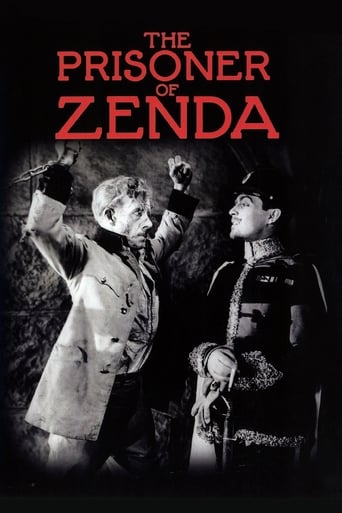
- Memorable role as the Bishop in 'The Prisoner of Zenda' (1922)
- Frequent collaborations with major stars like Rudolph Valentino
- Over 50 film appearances in less than a decade
Best Known For
Iconic Roles
Must-See Films
Working Relationships
Worked Often With
Studios
Why They Matter
Impact on Culture
Edward Connelly represented the successful transition from stage to screen that many accomplished theater actors attempted during the early days of cinema. His dignified presence and professional approach helped elevate the artistic credibility of the film industry during its formative years. As a character actor who consistently delivered reliable performances, Connelly contributed to the establishment of supporting roles as essential components of cinematic storytelling, paving the way for future generations of character actors to gain recognition for their craft.
Lasting Legacy
Edward Connelly left behind a legacy of over 50 film performances that showcase the bridge between 19th-century theatrical traditions and 20th-century cinema. His ability to convey authority and dignity through subtle means demonstrated how stage techniques could be effectively adapted for the camera. While he may not be as well-remembered today as leading stars of his era, Connelly's work in classic films like 'The Prisoner of Zenda' ensures that his contributions to silent cinema remain preserved for future generations to study and appreciate.
Who They Inspired
Connelly influenced subsequent generations of character actors by demonstrating how distinctive physical characteristics and theatrical training could be combined to create memorable screen personas. His professional approach to film acting, treating it with the same seriousness as stage work, helped establish higher standards for performance quality in early Hollywood. Younger actors who worked with him benefited from his experience and dedication to the craft, carrying forward his emphasis on dignity and professionalism in performance.
Off Screen
Edward Connelly was married to actress Margaret Seddon, with whom he occasionally shared the screen. The couple had one child together. Despite his late entry into films, Connelly quickly adapted to the medium while maintaining the dignity and professionalism he had developed during his extensive stage career. His sudden death in 1928 at the age of 60 was widely mourned in Hollywood, where he had earned respect for his talent and professionalism.
Education
Educated in New York City, with formal theatrical training that prepared him for his stage career
Family
- Margaret Seddon (married until his death in 1928)
Did You Know?
- Made his film debut at age 52 after a long and successful stage career
- His distinctive white beard and mustache made him instantly recognizable to audiences
- Often played clergymen, judges, and other authority figures due to his dignified appearance
- Worked with some of the biggest stars of the silent era including Rudolph Valentino and Buster Keaton
- Died just as the transition to sound films was beginning, cutting his film career short
- Appeared in over 50 films in less than a decade
- Was married to fellow actress Margaret Seddon
- His stage experience gave him an advantage in silent films where expressive acting was crucial
- Never received top billing but was consistently employed due to his reliability and talent
- Helped establish the importance of character actors in supporting leading stars
In Their Own Words
No documented famous quotes from Edward Connelly, as was common for character actors of his era who were rarely interviewed by the press
Frequently Asked Questions
Who was Edward Connelly?
American character with credits in this catalog. Known for his dignified presence and distinctive white beard, he specialized in playing authority figures and aristocrats in over 50 films during his decade-long Hollywood career.
What films is Edward Connelly best known for?
Titles linked here include The Prisoner of Zenda (1922), The Red Lantern (1919).
When was Edward Connelly born and when did he die?
Born December 29, 1867; died November 21, 1928.
What awards did Edward Connelly win?
Edward Connelly did not receive major formal awards during his career, as was common for character actors of the silent era. His recognition came primarily through consistent employment and the respect of his peers in the film industry.
What was Edward Connelly's acting style?
Connelly brought theatrical gravitas to his film roles, characterized by dignified, authoritative performances honed from decades of stage experience. He relied on subtle facial expressions and measured movements rather than exaggerated gestures, using his distinctive appearance to create memorable authority figures.
How did Edward Connelly transition from stage to film?
After over 30 years in theater, Connelly made his film debut at age 52 in 1919's 'The World and Its Woman.' His stage training and distinctive appearance made him immediately valuable in Hollywood, where he quickly became a reliable character actor throughout the 1920s.
Was Edward Connelly married?
Yes, Edward Connelly was married to fellow actress Margaret Seddon, with whom he occasionally appeared in films together. They remained married until his death in 1928 and had one child together.