




The Saphead
"Buster Keaton plays the hapless heir to a silver mine."
Keys: Space play/pause · ←/→ 10s · F fullscreen · M mute · </> speed
About this film
Nick Van Alstyne owns the Henrietta silver mine and is very rich and his son Bertie is naive and spoiled. His daughter Rose is married to shady investor Mark. Mark wrecks Bertie's wedding plans by making him take the blame for Mark's illegitimate daughter, and also nearly ruins t.
Cast & crew
More films like this

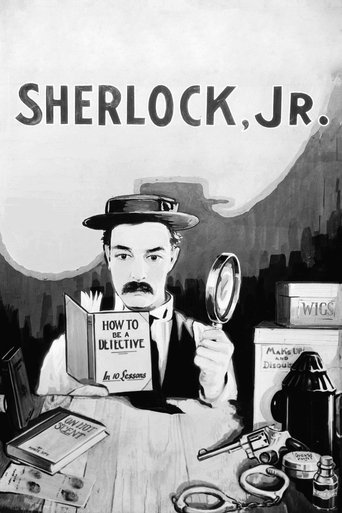
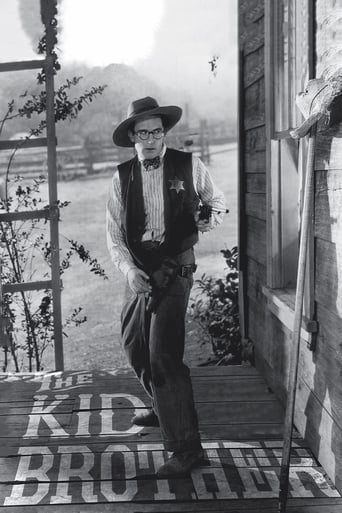
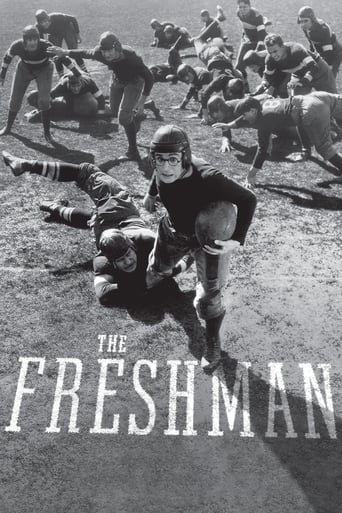
More Drama films
View all →







More from Herbert Blaché
View all →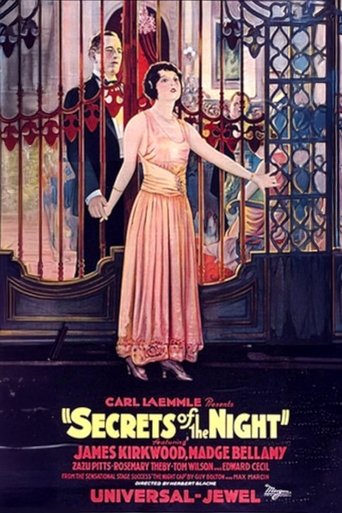
More about this film
About the production
Release dateSeptember 6, 1920
Box officeSuccessful - helped establish Keaton as a feature film star
ProductionMetro Pictures Corporation, Buster Keaton Productions
Filmed inLos Angeles, California, Metro Studios
Based on the popular stage play 'The New Henrietta' by Victor Mapes and Winchell Smith, which had been a major success for Douglas Fairbanks Sr. Keaton had actually appeared in the stage version, which helped him secure the film role. The film marked Keaton's transition from short films to features and was produced while he was still under contract to make shorts for Comique.
Themes
Wealth and social statusFamily relationships and loyaltyBusiness ethics and corruptionInnocence vs. cynicismLuck vs. skill
Themes & topics
silver minestock marketfamily businessnaive protagonistwedding plansscheming relativefinancial ruinunexpected herocomedy of errorswealthy family
Historical background
The Saphead (1920) reached screens through Metro Pictures Corporation. Exhibitors of the time built silent-era bills that mixed shorts, features, and live acts, so a clear premise helped The Saphead travel between cities and exchange markets.
Why this film matters
Archivists and revival programmers still cite The Saphead (1920) when tracing studio habits, casting pools, and the visual rhetoric audiences once took for granted. Even modest surviving prints help map how The Saphead fit beside competing releases of its day.
Making of
The production of 'The Saphead' marked a crucial turning point in Buster Keaton's career. After establishing himself as a major star in short comedies, Metro Pictures wanted to capitalize on his popularity by moving him into features. The studio chose to adapt the successful stage play 'The New Henrietta' rather than develop an original story, which meant Keaton had less creative control than he was used to. Director Herbert Blaché, husband of film pioneer Alice Guy, was assigned to the project. Keaton was initially hesitant about the role as it was more of a character study than the physical comedy he was known for, but he agreed after being promised more creative freedom on future projects. The filming process was relatively smooth, though Keaton and Blaché reportedly had creative differences about the balance between comedy and drama. The stock exchange sequence required special permission to film at the actual exchange, and the crew had to work around the real traders' schedules. The film's success would pave the way for Keaton to form his own production company and gain complete creative control over his subsequent films.
What critics said
Trade coverage around 1920 discussed The Saphead for pacing, clarity, and program fit rather than blockbuster grosses. Later writers value it as evidence of period style and as a reference point beside other films from the same era.
Did you know?
- This was Buster Keaton's first starring feature film, though he had appeared in features in supporting roles before
- The film was based on a 1913 stage play called 'The New Henrietta' which had been a huge success for Douglas Fairbanks Sr.
- Keaton had actually performed in the stage version of 'The New Henrietta' before making the film
- The famous stock exchange scene was filmed on location at the actual Los Angeles Stock Exchange
- The film was originally titled 'The Lamb' but was changed to 'The Saphead' before release
- William H. Crane, who played Nick Van Alstyne, had also starred in the original stage production
- The film's success convinced Metro Pictures to give Keaton his own production unit and more creative control
- Keaton later said this was not his favorite film because he had limited creative input compared to his later works
- The film was shot in just three weeks, an unusually short schedule even for 1920
- Keaton's character's name 'Bertie' was a reference to his real first name, Joseph
Awards & recognition
- No major awards - predated most formal film award ceremonies
Visual style
The cinematography of The Saphead was handled by Robert Newhard and Charles J. Stumar, who employed the relatively sophisticated visual style that was becoming standard for feature films by 1920. The film uses a mix of static shots and the emerging technique of camera movement to enhance the storytelling. The stock exchange sequence features some of the most dynamic camerawork, with multiple angles and compositions that convey the chaos and energy of the trading floor. Interior scenes, particularly those in the Van Alstyne mansion, use the deep focus and careful lighting typical of the period to create a sense of wealth and social status. The film makes effective use of location shooting at the actual Los Angeles Stock Exchange, which adds authenticity to key scenes. While not as visually inventive as Keaton's later films where he had more creative control, the cinematography effectively serves the narrative and provides clear visual storytelling appropriate for the comedy-drama hybrid genre. The visual style is more conventional than Keaton's later work, reflecting the studio's approach and the influence of the stage play's original staging.
Innovations
While not known for major technical innovations, The Saphead employed several notable techniques that were relatively advanced for 1920. The film makes effective use of location shooting, particularly the stock exchange scenes, which required coordination with real traders and demonstrated the growing sophistication of on-location filming. The editing during the stock market sequence shows more dynamic cutting than was typical in comedies of the era, using cross-cutting to build tension and comedy simultaneously. The film also demonstrates good use of continuity editing, maintaining clear spatial and temporal relationships despite the complex plot involving business dealings and family relationships. The special effects in the film, while minimal, include some effective use of split-screen techniques during the stock trading scenes to show multiple characters' reactions simultaneously. The film's sound stage sets, particularly the Van Alstyne mansion, show the increasing realism and attention to detail in set design that was becoming standard in feature production. While not groundbreaking technically, the film demonstrates the solid craftsmanship that Metro Pictures was known for, providing a professional foundation for Keaton's comic performance.
Music
As a silent film, The Saphead originally featured musical accompaniment provided by theater orchestras or organists. The score would have been compiled from various classical pieces and popular songs of the era, with specific musical cues matched to the on-screen action and emotional tone. For the romantic scenes, theaters likely used popular love songs or classical pieces like selections from operettas. The comedy sequences would have been accompanied by lighter, more playful music, possibly including ragtime or early jazz influences that were popular in 1920. The dramatic moments, particularly those involving the business dealings and family conflicts, would have been scored with more serious classical selections. While no original score survives, modern restorations and screenings typically use compiled scores that reflect the musical tastes of the period. Some contemporary screenings feature newly composed scores by silent film accompanists who create music that enhances the film's blend of comedy and drama while remaining authentic to the silent era aesthetic.
Famous quotes
A saphead is a man who's been sapped of his brains by his own good nature.
I may be a saphead, but I'm not a fool!
In the stock market, even a saphead can get lucky once in a while.
Money can't buy happiness, but it can buy a lot of other things that are almost as good.
Memorable scenes
- The chaotic stock exchange sequence where Bertie accidentally saves the family fortune through his confused trading
- The wedding scene where Bertie takes the blame for Mark's illegitimate daughter
- The opening sequence establishing Bertie's naive and spoiled character
- The confrontation between Bertie and Mark in the Van Alstyne mansion
- The final scene where Bertie proves his worth to his family
What audiences thought
Audiences in 1920 responded enthusiastically to The Saphead, making it a commercial success that exceeded Metro Pictures' expectations. The film played to packed houses in major cities and was particularly popular with middle-class audiences who could relate to its themes of family, business, and social status. Keaton's growing popularity from his short comedies translated well to the feature format, and audiences enjoyed seeing their favorite star in a longer story. The film's mix of physical comedy with a more traditional narrative structure appealed to both existing Keaton fans and new audiences who might have been hesitant about purely slapstick entertainment. Contemporary reports indicated that audiences especially enjoyed the stock exchange sequence and Bertie's various mishaps. The film's success helped establish Keaton as a bankable feature star and gave Metro Pictures confidence to invest in more ambitious projects with him. Modern audiences, when exposed to the film through revivals and home video, generally find it charming and historically significant, though many agree it doesn't reach the comic heights of Keaton's more famous features like 'The General' or 'Sherlock Jr.'
Film connections
Influenced by
- The New Henrietta (stage play)
- Douglas Fairbanks' stage performance
- Comedy of manners tradition
- Silent era comedy conventions
This film influenced
- Keaton's subsequent feature films
- Other comedy-drama hybrids of the 1920s
- Later films featuring naive protagonists in business settings
Film restoration
The Saphead survives in complete form and has been preserved by major film archives. A 35mm print exists in the collection of the Library of Congress, and the film has been restored by various institutions including the Museum of Modern Art. The film entered the public domain in the United States, which has led to numerous home video releases of varying quality. The best available versions come from restorations using original 35mm elements, which show the film's cinematography to good effect. While some wear and deterioration is visible in the surviving elements, the film is considered to be in relatively good condition for a film of its era. The preservation status allows for continued study and appreciation of this important early Buster Keaton feature.
Where to watch
- Available on DVD from various public domain distributors
- Streaming on Amazon Prime Video
- Available on YouTube (public domain versions)
- Available for streaming on The Criterion Channel (occasionally)
- Available for purchase or rental on iTunes
- Available on Blu-ray from Kino Lorber (restored version)