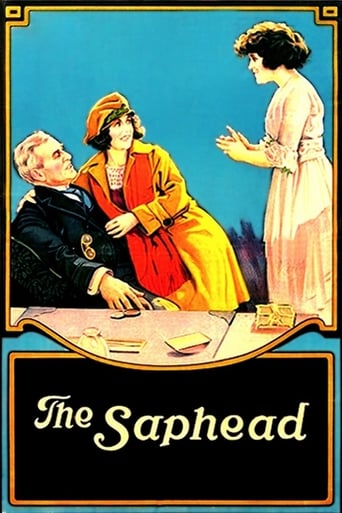

William H. Crane
Actor
Born: April 30, 1845 in Boston, Massachusetts, USA Died: March 7, 1928 Active: 1860s-1928 Birth Name: William Henry Crane
Films
1 film
About William H. Crane
William H. Crane is credited on a single production — The Saphead (1920). Born in Boston in 1845, he began his stage career as a teenager during the Civil War era and quickly established himself as a reliable character actor. Crane became respected theatrical performers of his time, known for his dignified presence and versatility in both dramatic and comedic roles. In his later years, he successfully transitioned to the burgeoning film industry, appearing in several silent films including Buster Keaton's first feature 'The Saphead' (1920). Throughout his career, Crane was admired for his professionalism and ability to adapt his acting style from the broad gestures required for large theaters to the subtle expressions needed for the camera. He continued performing well into his eighties, becoming one of the oldest working actors in early Hollywood and serving as a mentor to younger performers. Crane passed away in 1928, leaving behind a legacy as a figure who helped legitimize cinema as a medium for serious theatrical actors.
The Craft
On Screen
William H. Crane was known for his dignified, authoritative presence combined with a naturalistic approach that translated exceptionally well to the screen. His acting style evolved from the formal traditions of 19th-century theater to accommodate the more intimate demands of cinema. Crane possessed a commanding voice and bearing that made him ideal for patriarchal and authority figures, yet he could deliver comedy with subtle timing and restraint. Unlike many of his contemporaries who struggled with the transition from stage to film, Crane adapted his technique to avoid the exaggerated gestures common in early silent films, instead relying on nuanced facial expressions and subtle physicality. His performances were characterized by their authenticity and emotional truth, bringing depth and humanity to even the most straightforward roles.
Milestones
- Successful stage career spanning over 60 years
- transition from Victorian theater to silent film
- Starring role in Buster Keaton's first feature film 'The Saphead' (1920)
- One of the oldest working actors in early Hollywood at age 75+
- Mentor to younger actors in both stage and film industries
- Member of prestigious theatrical organizations including The Lambs Club
Best Known For
Iconic Roles
Must-See Films
Accolades
Special Recognition
- Recognized as a pioneer who successfully transitioned from stage to early cinema
- Remembered as a respected elder statesman of American theater and film
- Member of The Lambs Club, New York's prestigious theatrical organization
Working Relationships
Worked Often With
Studios
Why They Matter
Impact on Culture
William H. Crane played a significant role in bridging the gap between 19th-century American theater and 20th-century cinema, helping to legitimize the new medium in the eyes of traditional theater-goers. As one of the few established stage actors to successfully transition to film, he demonstrated that serious dramatic actors could find meaningful and artistically satisfying work in cinema. His dignified presence in films like 'The Saphead' showed that the new medium could accommodate sophisticated acting, encouraging other stage performers to consider film work. Crane's career longevity, spanning from the Civil War era to the dawn of sound film, made him a living connection between different eras of American entertainment, preserving theatrical traditions while embracing innovation.
Lasting Legacy
William H. Crane is remembered today as a figure who successfully navigated the transition from stage to early cinema, though his most visible legacy remains through his role in 'The Saphead,' which has become a classic of silent comedy. His true significance lies in his role as a bridge between theatrical traditions and modern filmmaking, showing how established actors could adapt their craft for new media without losing artistic integrity. Crane's career shows the importance of adaptability in the entertainment industry, and his dignified approach to both dramatic and comedic roles influenced subsequent generations of character actors. He represents the generation of 19th-century theatrical performers who helped establish the standards of professionalism and craft that would define Hollywood's Golden Age.
Who They Inspired
William H. Crane influenced younger actors through his example of professionalism, adaptability, and artistic integrity. His successful transition from stage to film demonstrated that it was possible to maintain one's artistic standards while embracing new technologies and performance mediums. Many actors who followed in his footsteps, particularly those from theatrical backgrounds, looked to his career as a model for how to navigate the changing landscape of American entertainment. His subtle approach to comedy in 'The Saphead' showed how nuanced humor could be more effective than broad slapstick, influencing comedic acting styles in subsequent films. Crane's dedication to his craft throughout his long career inspired younger performers to view acting as a lifelong pursuit of excellence rather than merely a job.
Off Screen
William H. Crane was known as a devoted family man who maintained strong relationships throughout his personal and professional life. He married twice, first to fellow actress Kate Denny, with whom he had several children, and later to Christine Norman after Denny's death. Crane was highly respected in theatrical circles for his unwavering professionalism and dedication to his craft. Despite his considerable success and fame, he remained humble and approachable, known for his generosity toward struggling actors and willingness to share his expertise. He was a lifelong learner who continued to refine his craft well into his later years, embodying the ideal of the dedicated artist who never stopped growing. Crane's personal life was marked by stability and discretion, avoiding the scandals that sometimes plagued theatrical figures of his era.
Education
Limited formal education; trained primarily through apprenticeship and practical experience in traveling theater companies during the 1860s
Family
- Kate Denny (1875-1909)
- Christine Norman (1910-1928)
Did You Know?
- William H. Crane was 75 years old when he appeared in 'The Saphead' (1920), making him one of the oldest actors in early Hollywood
- He began his stage career as a teenager during the American Civil War era
- Crane was one of the few established stage actors to successfully transition to silent film without compromising his artistic standards
- His role in 'The Saphead' was as Buster Keaton's character's wealthy father, a perfect showcase for his dignified presence
- He was already a theatrical legend with over 50 years of experience when he made his film debut
- Crane continued performing on stage even after achieving film success
- He was known throughout his career for never losing his temper on set or stage
- His theatrical active years covered more than six decades, from the 1860s to the 1920s
- Crane — respected member of New York's prestigious Lambs Club, an organization for theatrical professionals
- He appeared in both dramatic and comedic roles throughout his career, showing remarkable versatility
- Unlike many actors of his era, Crane successfully adapted his acting style for the camera, avoiding the exaggerated gestures common in early silent films
- He was known for mentoring younger actors and sharing his extensive knowledge of the craft
In Their Own Words
The stage is my first love, but the camera is an interesting new friend that teaches us new ways to express ourselves.
Acting is not about age, it's about understanding human nature in all its complexity and beauty.
In this new world of moving pictures, we must learn to speak with our faces rather than our voices, but the truth of emotion remains the same.
The greatest actors are not those who shout the loudest, but those who can make the audience feel the most with the least effort.
Frequently Asked Questions
Who was William H. Crane?
American with credits in this catalog. He was particularly known for his dignified presence and ability to portray authoritative figures, successfully transitioning from 19th-century theater to early silent films while maintaining his artistic integrity.
What films is William H. Crane best known for?
Titles linked here include The Saphead (1920).
When was William H. Crane born and when did he die?
Born April 30, 1845; died March 7, 1928.
What awards did William H. Crane win?
William H. Crane worked primarily before the establishment of major film awards like the Academy Awards. He was, however, widely recognized and respected in theatrical circles as one of the elder statesmen of American stage and screen, and his legacy is honored through the preservation of his work in film archives and classic cinema retrospectives.
What was William H. Crane's acting style?
Crane's acting style combined the dignified presence of 19th-century theater with an emerging naturalistic approach suited for film. He was known for his authoritative bearing, subtle comedic timing, and ability to convey emotion through nuanced facial expressions rather than exaggerated gestures, successfully adapting his craft for both stage and screen.
How did William H. Crane influence early cinema?
Crane helped legitimize cinema as a medium for serious actors by successfully transitioning from stage to film. His dignified performance style showed that theatrical actors could adapt to the new medium while maintaining their artistic integrity, encouraging other established stage performers to consider film work and helping to bridge the gap between theater and cinema.
What made William H. Crane's career unique?
Crane's career was unique for its extraordinary longevity and his successful adaptation to changing media. Beginning as a teenager in Civil War-era theater and continuing into his eighties in early Hollywood, he embodied the evolution of American performance art from Victorian stage traditions to modern cinema, maintaining his relevance and artistic standards throughout decades of dramatic technological and cultural change.