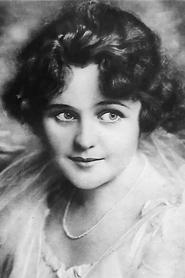
Carol Holloway
Actor
Born: April 30, 1892 in Williamstown, Massachusetts, USA Died: January 4, 1979 Active: 1914-1926 Birth Name: Caroline Frances Holloway
Films
3 films
About Carol Holloway
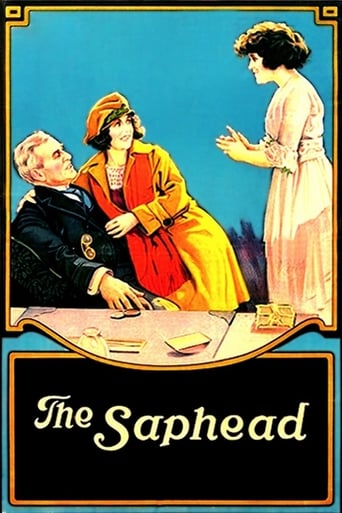
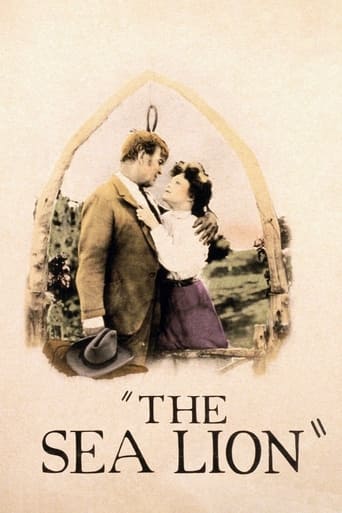
Carol Holloway, born Caroline Frances Holloway, was an American actress who flourished during the silent film era of the 1910s and 1920s. She began her film career around 1914, quickly establishing herself as a versatile character actress who appeared in numerous shorts and feature films. Her most notable roles came in the early 1920s with performances in Buster Keaton's first starring feature 'The Saphead' (1920) and the maritime drama 'The Sea Lion' (1921). Throughout her career, she worked with several prominent silent film studios and appeared in over 60 films, often playing supporting roles as leading ladies or character parts. Her career began to wane as the silent era ended, and she retired from acting in the mid-1920s. After leaving the film industry, she transitioned to a career in real estate, demonstrating her adaptability beyond the entertainment world. Her contributions to early cinema represent the work of countless supporting actors who helped build the foundation of American film during its formative years.
The Craft
On Screen
Carol Holloway was known for her naturalistic acting style that helped bridge the gap between the exaggerated pantomime of early silent films and the more subtle performances that would come to define the late silent era. She possessed a versatile screen presence that allowed her to play both dramatic and light comedic roles effectively. Her performances were characterized by expressive yet controlled facial expressions and a graceful physicality that translated well to the silent medium.
Milestones
- Breakthrough role in 'The Saphead' (1920) opposite Buster Keaton
- Leading role in 'The Sea Lion' (1921)
- Prolific career with over 60 film appearances
- Transition from short films to feature-length productions
- Work with major studios including Universal and Fox Film Corporation
Best Known For
Iconic Roles
Must-See Films
Working Relationships
Worked Often With
Studios
Why They Matter
Impact on Culture
Carol Holloway represents the generation of actors who helped establish the language of cinema during its formative years. As a supporting actress in numerous silent films, she contributed to the development of narrative film techniques and acting styles that would influence future generations of performers. Her work in early features like 'The Saphead' helped demonstrate the viability of feature-length comedies and paved the way for more sophisticated film comedy. While not a major star, her consistent presence in films of the 1910s and 1920s exemplifies the important role that character actors played in building the foundation of Hollywood's golden age.
Lasting Legacy
Carol Holloway's legacy lies in her contribution to the silent film era as a reliable and versatile character actress. Though she never achieved stardom status, her body of work serves as a valuable record of early American cinema and the types of performances that entertained audiences during this period. Her films, particularly those that survive like 'The Saphead,' continue to be studied by film historians and enthusiasts interested in the evolution of film acting and comedy. Her successful transition to real estate after her acting career also represents a pattern among silent era actors who found new careers when their film careers ended.
Who They Inspired
As a supporting actress rather than a major star, Carol Holloway's direct influence on other performers was limited. However, her professional work ethic and adaptability during the rapidly changing film industry of the 1910s and 1920s exemplified the qualities necessary for longevity in show business. Her performances in early feature films helped establish conventions for supporting roles in comedy and drama that would be refined by subsequent generations of character actors. Her ability to transition successfully to a new career after leaving film also provided a model for other performers facing the end of their entertainment careers.
Off Screen
Carol Holloway's personal life was marked by two significant marriages within the film industry. Her first marriage was to actor and director Emory Johnson in 1915, which lasted until their divorce in 1925. During their marriage, they occasionally worked together on film projects. In 1925, shortly after her divorce, she married fellow actor William Welsh, with whom she remained until his death in 1946. After retiring from acting, Holloway successfully transitioned to a career in real estate in the Los Angeles area, demonstrating her business acumen and adaptability. She spent her later years away from the public eye, maintaining a private life until her death in 1979 at the age of 86.
Family
- Emory Johnson (1915-1925)
- William Welsh (1925-1946)
Did You Know?
- Appeared in over 60 films during her 12-year career
- Worked with Buster Keaton in his first starring feature film
- Was one of the few actresses of her era to successfully transition to a business career after acting
- Her real name was Caroline Frances Holloway
- Married two men who were both actors and directors
- Began her career during the transition from short films to feature-length productions
- Retired from acting just as the sound era was beginning
- Her film 'The Saphead' was based on a popular stage play
- Worked with multiple major studios during her career
- Lived to be 86 years old, outlasting most of her silent film contemporaries
Frequently Asked Questions
Who was Carol Holloway?
American actress who worked primarily in silent films during the 1910s and 1920s, appearing in over 60 films including notable roles in 'The Saphead' (1920) and 'The Sea Lion' (1921).
What films is Carol Holloway best known for?
Titles linked here include The Saphead (1920), The Sea Lion (1921).
When was Carol Holloway born and when did she die?
Born April 30, 1892; died January 4, 1979.
What awards did Carol Holloway win?
Carol Holloway did not receive any major formal awards during her career, which was common for supporting actors in the silent film era before the establishment of most major film awards.
What was Carol Holloway's acting style?
Carol Holloway was known for her naturalistic acting style that helped transition silent film performances from exaggerated pantomime to more subtle, realistic expressions suitable for feature-length films.
Did Carol Holloway continue acting in sound films?
No, Carol Holloway retired from acting in the mid-1920s, just as the transition to sound films was beginning, and instead pursued a successful career in real estate.
Was Carol Holloway married to anyone in the film industry?
Yes, Carol Holloway was married twice to men in the film industry: first to actor-director Emory Johnson from 1915-1925, and then to actor William Welsh from 1925 until his death in 1946.