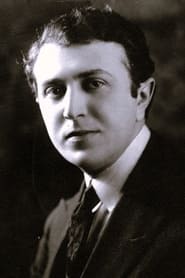
Irving Cummings
Actor & Director
Born: April 9, 1888 in New York City, New York, USA Died: May 18, 1959 Active: 1914-1929
Films
12 films



About Irving Cummings
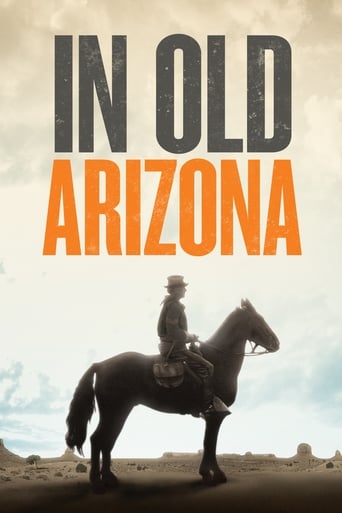
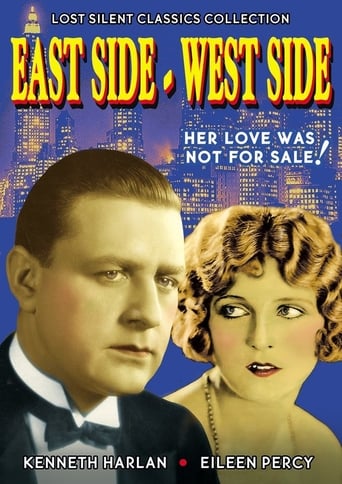
American film actor and director who worked across the silent era and into the early sound period, becoming best known for his direction of major Fox productions after starting his career as a screen actor. Born in New York City, he entered motion pictures in the 1910s and appeared in a number of notable silent films before moving behind the camera, where he found his greatest professional success. As a director, he became associated with polished, commercially successful studio features, including the 1928 Western In Old Arizona, which is historically significant as one of the first sound Westerns and one of the earliest talking features to receive major Academy Award recognition. He also directed ambitious dramas and adaptations such as The Johnstown Flood and East Side - West Side, showing a versatility that ranged from spectacle to urban melodrama. Cummings’ career reflects the transition from silent cinema to synchronized sound, and he is remembered as a reliable studio craftsman whose work helped shape late silent and early talkie-era filmmaking. Although he did not become a celebrity on the level of the era's major star directors, his body of work illustrates the professionalism and efficiency prized by the Hollywood studio system. His name remains associated with a key transitional period in American film history.
The Craft
On Screen
As a silent-era performer, Cummings worked in the broadly expressive style common to the period, emphasizing clear physical gesture, readable emotion, and direct screen presence rather than subtle dialogue-based performance. His film appearances suggest a competent, adaptable character actor who fit comfortably into melodrama, literary adaptations, and adventure pictures. He was part of a generation of actors who understood the camera's need for economy and visual clarity, and his screen work reflects the conventions of pre-sound Hollywood performance.
Behind the Camera
Cummings’ directing style was polished, efficient, and strongly aligned with the studio system, favoring clear storytelling, strong pacing, and professional presentation over overt stylistic experimentation. He was especially effective in genre material and prestige productions where narrative momentum, star appeal, and production values mattered most. In films such as The Johnstown Flood and In Old Arizona, he demonstrated an ability to handle large-scale material and changing technology, including the challenges of early sound cinema.
Milestones
- Began his screen career as an actor in the silent era with early screen appearances in the mid-1910s
- Transitioned successfully from acting to directing, becoming a dependable studio director
- Directed Flesh and Blood (1922), one of his important early directorial efforts
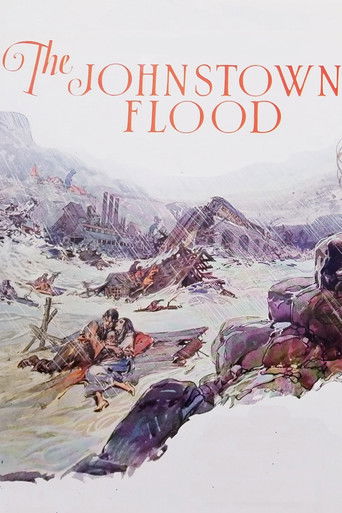
- Helmed The Johnstown Flood (1926), a high-profile disaster drama notable for its scale and spectacle
- Directed In Old Arizona (1928), a landmark sound-era Western and an Academy Award-winning production
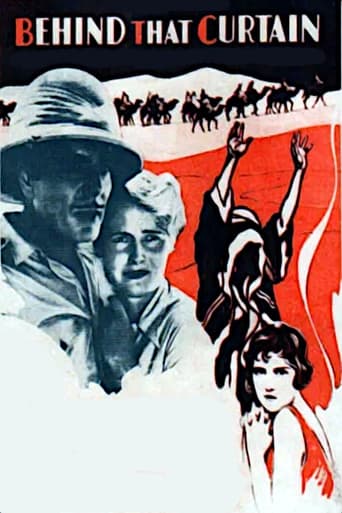
- Directed Behind That Curtain (1929), demonstrating his continued work during the industry's shift to sound
- Built a reputation at Fox as a capable director of star vehicles, melodrama, and commercially oriented features
Best Known For
Iconic Roles
Must-See Films
Working Relationships
Worked Often With
Studios
Why They Matter
Impact on Culture
Irving Cummings occupies an important place in the history of classical Hollywood as one of the capable filmmakers who guided the industry through the transition from silence to sound. His best-known directing work, In Old Arizona, is historically notable not only as a Western but also as an early sound feature that helped demonstrate how dialogue could be integrated into a popular genre without sacrificing pace or audience appeal. The film's recognition at the Academy Awards gave Cummings a place in the broader narrative of late 1920s Hollywood innovation, when studios were learning how to exploit new technology while preserving commercial entertainment values. His work on large-scale dramas such as The Johnstown Flood also reflects the era's fascination with spectacle and disaster, showing how studio directors balanced human drama with cinematic attraction. Though he is not always as widely remembered as the biggest auteur names of his period, his films contributed to the industrial refinement of mainstream American cinema and to the standardization of genre storytelling in the studio era.
Lasting Legacy
Cummings' legacy rests on craftsmanship, adaptability, and his role in shaping Fox's late silent and early sound output. He is remembered by film historians as a director who helped normalize the sound-era Western and who represented the strong studio professional class that kept Hollywood's production machine moving efficiently. His career also illustrates the path from actor to director that was common in early film, when practical experience on set often mattered more than formal directing credentials. While he did not leave behind a singular signature style associated with auteurism, his work remains valuable as a record of mainstream studio technique in a transitional period. Modern retrospectives of early Westerns and early sound films continue to cite In Old Arizona as his most significant achievement, ensuring that his name persists in discussions of the medium's evolution.
Who They Inspired
Cummings influenced the development of commercially polished genre filmmaking more than later personal-style auteurs, and his importance lies in showing how a studio director could manage both silent-era visual storytelling and the technical demands of early sound. His work on In Old Arizona helped establish that sound pictures could still be dynamic, expansive, and popular, which was an important lesson for other filmmakers entering the new era. As an experienced actor-turned-director, he also embodied a practical, performance-conscious approach to staging that likely informed the work of actors and assistant directors around him. His films helped set expectations for pacing, clarity, and production quality in Fox features during a crucial transitional decade.
Off Screen
Publicly available information about Irving Cummings' private life is comparatively limited in standard film references, and he is chiefly documented through his professional work rather than extensive biographical reporting. He was born in New York City and spent his career in the American film industry, moving from acting into directing as studio filmmaking matured. Available sources do not strongly emphasize a highly publicized personal or family life, which is common for many early Hollywood craftsmen whose reputations were built more on studio output than celebrity branding. Because of the limits of surviving biographical documentation, details about family background, children, and intimate personal history are not consistently recorded in readily available reference sources.
Education
No widely documented formal education is consistently cited in standard film references; his professional formation appears to have come through stage and screen work in New York and early motion-picture production rather than from a publicly emphasized academic background.
Did You Know?
- Irving Cummings began his film career as an actor before becoming better known as a director.
- He worked during.
- In Old Arizona (1928) is one of his best-known films and is historically important as an early sound Western.
- The Johnstown Flood (1926) shows that he was trusted with large-scale, effects-driven drama before the sound era fully arrived.
- He directed and acted in films associated with Fox Film Corporation, one of the major studios of the era.
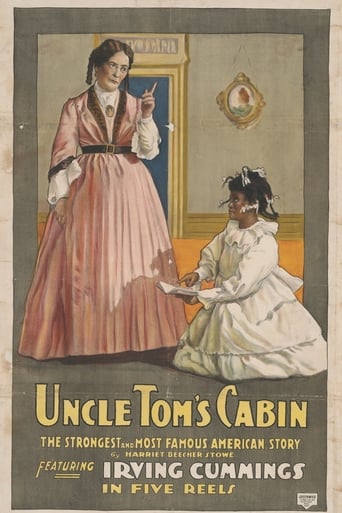
- His screen credits include Uncle Tom's Cabin (1914), placing him at the beginning of feature-length American cinema's growth.
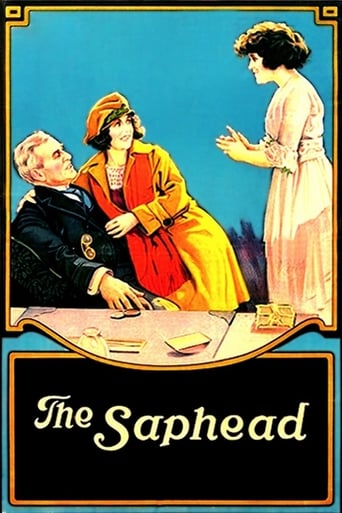
- He appeared in The Saphead (1920), an important early feature starring Buster Keaton.
- His career is a good example of the many silent-era performers who moved behind the camera as the industry expanded and specialized.
- Despite his substantial work, he is less widely remembered by the general public than many star directors of the same period, making him a classic film-history figure of great historical interest.
- He is associated with both melodrama and Westerns, two of the most enduring genres in early Hollywood.
Frequently Asked Questions
Who was Irving Cummings?
American silent-era actor who became a on YTB.my. He is best remembered for directing In Old Arizona (1928) and other Fox productions, as well as for his earlier acting work in silent films.
What films is Irving Cummings best known for?
Titles linked here include In Old Arizona (1928), The Johnstown Flood (1926).
When was Irving Cummings born and when did he die?
Born April 9, 1888; died May 18, 1959.
What awards did Irving Cummings win?
No individual major awards or official nominations are consistently documented for Irving Cummings in standard reference sources. His best-known award-related connection is through In Old Arizona, which was an important Academy Award-recognized film.
What was Irving Cummings' acting and directing style?
As an actor, he worked in the expressive, physically clear style typical of silent cinema. As a director, he favored efficient storytelling, strong pacing, and polished studio craftsmanship, especially in melodrama, Westerns, and prestige productions.
What is Irving Cummings' legacy in film history?
His legacy lies in his reliable craftsmanship and his role in guiding studio filmmaking through the silent-to-sound transition. He is especially remembered for helping bring one of the earliest major sound Westerns, In Old Arizona, to the screen.