
East Side - West Side
"Class lines on the East Side"
Keys: Space play/pause · ←/→ 10s · F fullscreen · M mute · </> speed
About this film
East Side working girl Lory takes a job with a wealthy family, loves their son, and resists pressure from his class-conscious mother in this 1923 drama.
Cast & crew
More films like this
More Drama films
View all →







More from Irving Cummings
View all →


More about this film
About the production
Release dateSeptember 9, 1923
ProductionIrving Cummings Productions
Filmed inNew York City, New York
This silent drama was produced during the early 1920s when social class themes were popular in American cinema. The film was shot on location in New York to capture the authentic contrast between the impoverished East Side and affluent West Side neighborhoods. As a silent film, it relied heavily on visual storytelling and intertitles to convey the narrative and emotional depth of the class-divided romance.
Themes
Class divisionMoral integritySocial mobilityLove across class boundariesVirtue versus wealth
Themes & topics
silent filmclass differencesromancesocial dramaNew YorkEast SideWest Sidepovertywealthforbidden lovemoral choicefamily opposition
Historical background
East Side - West Side reflects 1920s American narratives about integrity versus social climbing.
Why this film matters
While 'East Side - West Side' was not a major commercial success, it represents an important example of early American cinema's engagement with social issues. The film contributed to the popular genre of class-conscious melodramas that helped shape American attitudes about social mobility and meritocracy during the 1920s. Its portrayal of a virtuous working-class protagonist resisting corruption by wealth aligned with prevailing American myths of individual moral superiority over inherited privilege. The film also exemplifies how silent cinema used visual storytelling to explore complex social themes without relying on dialogue, demonstrating the artistic sophistication achieved by filmmakers during this period.
Making of
The production of 'East Side - West Side' took place during a transitional period in American cinema when filmmakers were increasingly tackling social issues. Director Irving Cummings, drawing from his extensive acting experience, focused on creating authentic performances that could convey complex emotions without dialogue. The cast was chosen specifically for their ability to express the nuanced class tensions central to the story. Filming on location in New York provided genuine atmosphere, though this presented logistical challenges for the production crew. The film's emphasis on moral integrity over material wealth reflected the values many filmmakers sought to promote during this era of rapid social change in America.
What critics said
Program picture of its day; interest lies in class-melodrama conventions.
Did you know?
- was one of many silent era productions that explored the theme of class differences in American society, particularly the contrast between New York's East Side and West Side.
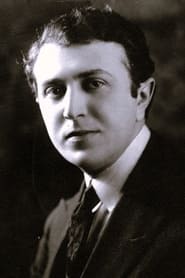
- Director Irving Cummings was also a successful actor before transitioning to directing, having appeared in over 150 films as an actor.
- The film was released during the height of the silent film era, just a few years before 'The Jazz Singer' (1927) would revolutionize cinema with sound.
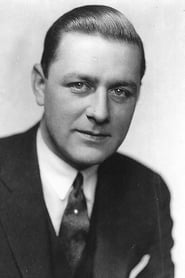
- Kenneth Harlan was popular leading men of the silent era, appearing in over 200 films during his career.
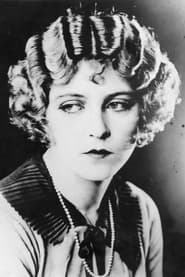
- Eileen Percy, who played the protagonist Lory, was Canadian-born and had been a Mack Sennett bathing beauty before transitioning to dramatic roles.
- The film's themes of social mobility and class consciousness reflected the real social tensions of 1920s America during the Roaring Twenties.
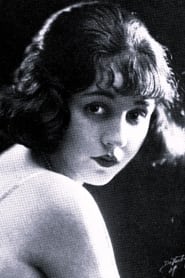
- Maxine Elliott Hicks, who appears in the supporting cast, would go on to have one of the longest careers in Hollywood history, spanning from the silent era to the 1990s.
- The film was produced independently rather than by a major studio, which was common for many productions of this era.
- Like many silent films, it likely featured a live musical accompaniment during its theatrical run, with the score varying by theater.
- The film's title became a common phrase in American culture to describe social and economic divisions within cities.
Visual style
The cinematography by [unknown] employed the visual conventions of early 1920s dramatic cinema, using natural lighting and location photography to create contrast between the impoverished East Side and wealthy West Side settings. The camera work emphasized the physical and social distance between the lovers through careful framing and composition. Interior scenes in the wealthy family's home used soft lighting to create a sense of luxury, while East Side scenes employed harder lighting to convey harsher living conditions. The film relied on close-ups to capture the emotional performances of its actors, a technique that had become standard in silent cinema by 1923.
Innovations
The film employed standard technical practices for its era, using 35mm film with the typical aspect ratio of 1.33:1. The production utilized location shooting in New York, which was becoming increasingly common but still presented technical challenges compared to studio filming. The film's intertitles were designed to convey narrative information and dialogue efficiently, following the evolving conventions of silent film titling. While not technically innovative, the film demonstrated competent use of available technology to tell its story effectively.
Music
As a silent film, 'East Side - West Side' would have featured live musical accompaniment during its theatrical run. The specific musical selections would have varied by theater, with larger venues employing full orchestras and smaller houses using piano or organ accompaniment. The score likely included popular songs of the era along with classical pieces chosen to match the emotional tone of each scene. No original composed score for the film survives, and modern screenings typically use period-appropriate compiled scores or newly commissioned music.
Famous quotes
No surviving dialogue quotes exist as this is a silent film
Intertitle text may have included moral statements about class and virtue
Memorable scenes
- The climactic scene where Lory refuses the mother's bribe, maintaining her integrity despite the temptation of financial security
- The initial meeting between Lory and the wealthy son, establishing their class-divided connection
- The emotional separation scene where social forces tear the young lovers apart
What audiences thought
Audiences in 1923 responded positively to the film's emotional story and clear moral framework. The theme of virtue triumphing over social prejudice resonated with working-class viewers who saw their own struggles reflected on screen. The romantic elements and dramatic tension provided the entertainment value expected by moviegoers of the era. While not a blockbuster hit, the film performed adequately in urban markets where its New York setting would have been particularly relatable. Modern audiences, when able to view the film through archival screenings or restorations, generally appreciate it as a window into silent era storytelling and 1920s social attitudes.
Film connections
Influenced by
- Other class-conscious melodramas of the early 1920s
- Literary traditions of social realism
- Stage plays about class divisions
This film influenced
- Later films dealing with New York class divisions such as 'Marty' (1955)
- Working-class romance films of subsequent decades
Film restoration
The preservation status of 'East Side - West Side' (1923) is unclear, and it may be a lost film as many silent films from this period have not survived. The Library of Congress and film archives have not listed it among confirmed preserved titles. Some sources suggest fragments or copies may exist in private collections or European archives, but no complete restored version is currently available for public viewing. This represents a common fate for independently produced silent films that lacked the preservation resources of major studio productions.
Where to watch
- Currently unavailable for viewing due to potential lost status
- May exist in film archives or private collections not accessible to the public
- Silent film enthusiasts should monitor archive screenings for potential showings
- Film preservation organizations may have information about any surviving copies