Films
4 films
About John T. Prince
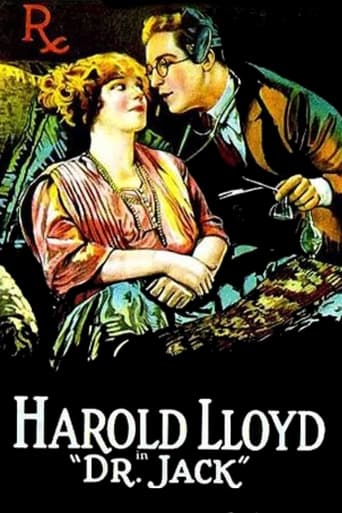
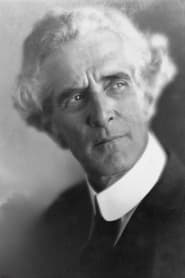
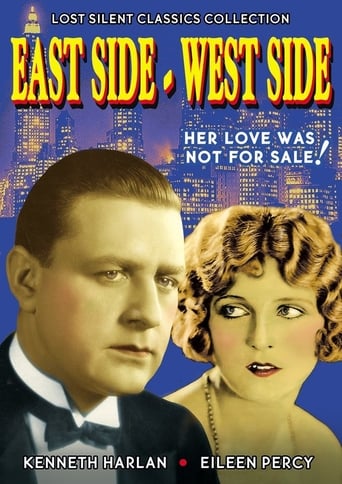
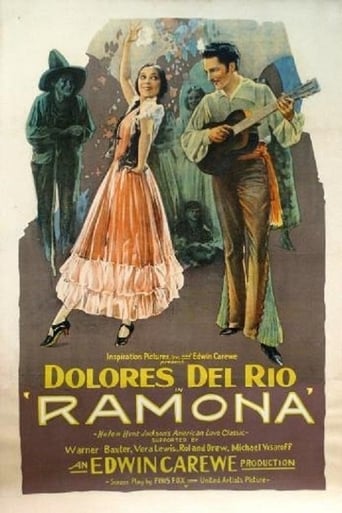
American actor who worked during the silent film era of the early 1920s. His career, though brief, spanned from 1922 to 1928, during which he appeared in several notable productions of the period. Prince began his film career with a role in Harold Lloyd's comedy 'Dr. Jack' in 1922, which was one of the popular films of that year. He continued working in the industry with appearances in dramas such as 'East Side - West Side' in 1923, showcasing his versatility beyond comedy. His most significant role came in 1928 with 'Ramona,' a prestigious drama starring Dolores del Río and directed by Edwin Carewe, which was one of the last major silent films before the transition to sound. Like many character actors of his era, Prince's career appears to have ended with the advent of talkies, as his name disappears from film records after 1928. His work represents the typical journey of many supporting actors who contributed to the golden age of silent cinema.
The Craft
On Screen
As a supporting actor in the silent era, John T. Prince likely employed the exaggerated gestures and expressive facial techniques typical of silent film acting, though his specific style is not well-documented due to limited surviving records of his performances.
Milestones
- Appeared in Harold Lloyd's 'Dr. Jack' (1922)
- Role in 'East Side - West Side' (1923)
- Participated in major production 'Ramona' (1928)
Best Known For
Must-See Films
Working Relationships
Worked Often With
Studios
Why They Matter
Impact on Culture
John T. Prince represents the countless character actors who formed the backbone of silent cinema, supporting leading stars and helping create the early Hollywood films. His participation in 'Dr. Jack' contributed to Harold Lloyd's successful comedy career, while his role in 'Ramona' placed him within. Though not a major star, actors like Prince were essential to the film industry's growth during this transitional period.
Lasting Legacy
John T. Prince's legacy is that of a typical working actor during Hollywood's silent era, contributing to important films while never achieving lasting fame. His appearances in historically significant films like 'Dr. Jack' and 'Ramona' ensure that his work, however small, is preserved as part of cinema history. He exemplifies the journey of many actors whose careers were defined by the silent era and ended with the transition to sound.
Who They Inspired
As a supporting actor, John T. Prince's direct influence on other performers is not documented, but his work in ensemble casts contributed to the overall quality and success of the films he appeared in, indirectly influencing the careers of the leading actors he supported.
Off Screen
Very little is documented about John T. Prince's personal life, which was common for many supporting actors of the silent era who did not achieve star status. Like many character actors of his time, he likely maintained a private life away from the Hollywood spotlight.
Did You Know?
- Appeared in Harold Lloyd's 'Dr. Jack' during the height of Lloyd's popularity in the early 1920s
- Worked during the final years of the silent era, with his last known film 'Ramona' (1928) being one of the last major silent productions
- His filmography spans only six years, typical of many character actors whose careers were limited to the silent period
- Participated in 'Ramona,' which was
- Like many silent era actors, his career appears to have ended with the transition to sound films
- His name appears in film credits but little biographical information survives about him
Frequently Asked Questions
Who was John T. Prince?
American with credits in this catalog. Jack' (1922), 'East Side - West Side' (1923), and 'Ramona' (1928) as a supporting actor.
What films is John T. Prince best known for?
When was John T. Prince active in films?
John T. Prince's known film active years covered from 1922 to 1928, covering the final years of the silent era before the transition to sound films.
Did John T. Prince win any awards?
There are no recorded awards or nominations for John T. Prince, which was common for supporting actors during the early years of cinema when formal award systems were not yet established.
What happened to John T. Prince's career after 1928?
Like many silent era actors, John T. Prince's career appears to have ended around 1928, likely due to the transition to sound films which ended the careers of many actors whose voices or acting styles did not adapt to the new medium.