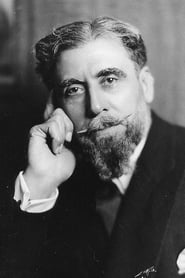
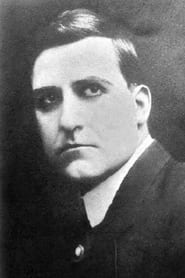
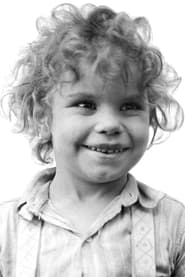

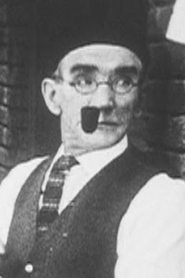
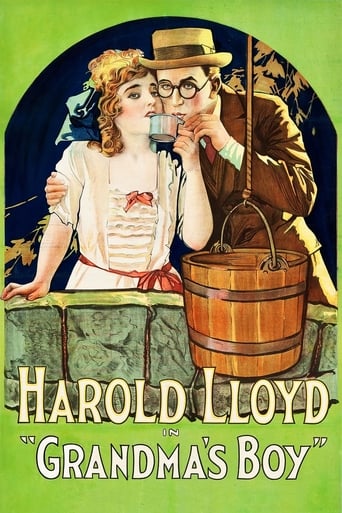
Dr. Jack
"Dr. Jack (1922)"
Keys: Space play/pause · ←/→ 10s · F fullscreen · M mute · </> speed
About this film
Country doctor Jack Jackson is called in to treat the Sick-Little-Well-Girl, who has been making Dr. Saulsbourg and his sanitarium very rich after years of unsuccessful treatment.
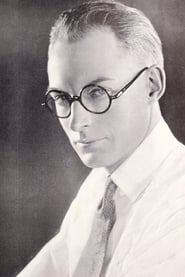
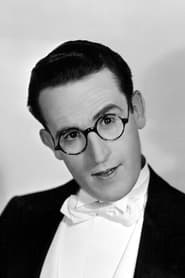
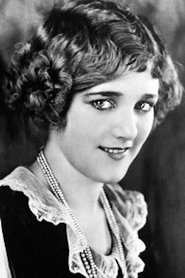
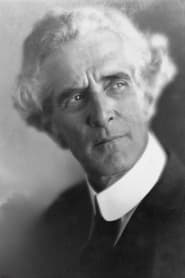
Cast & crew
More films like this
More Comedy films
View all →







More from Sam Taylor
View all →

More about this film
About the production
Release dateOctober 1, 1922
Box officeVery successful - Harold Lloyd films of this period typically grossed over $1 million
ProductionHarold Lloyd Corporation, Pathe Exchange
Filmed inLos Angeles, California, Hollywood, California
This film was part of Harold Lloyd's highly productive period in the early 1920s when he was establishing himself as one of the top comedy stars. The film featured several dangerous stunt sequences typical of Lloyd's work, though they were less death-defying than some of his other famous films like 'Safety Last!' The production utilized real medical equipment and consulted with actual doctors to create authentic-looking sanitarium sets.
Themes
Medical fraud and quackeryThe power of common sense over institutional authorityLove as healingRural wisdom vs. urban sophisticationThe corruption of medicine for profit
Themes & topics
Historical background
Contemporary records classify Dr. Jack (1922) as 1922 film, placing it within late silent cinema and the transition toward sound.
Why this film matters
Dr. Jack (1922) helps trace genre evolution, performer careers, and the material conditions of silent exhibition.
Making of
The production of 'Dr. Jack' took place during Harold Lloyd's peak creative period in the early 1920s. Lloyd was known for his meticulous planning and hands-on approach to filmmaking. He would often spend weeks developing gags and stunt sequences with his team of writers. The medical theme was carefully researched to create authentic-looking equipment and procedures while maintaining the comedic elements. Mildred Davis, though not typically known for her comedic timing, worked extensively with Lloyd to perfect their on-screen chemistry. The film was shot on location in and around Los Angeles, with the sanitarium scenes filmed on specially constructed sets that were praised for their realism. Director Sam Taylor, who had previously worked with Lloyd on several shorts, brought a polished visual style that elevated the production values beyond typical comedy shorts of the era.
What critics said
Modern write-ups on Dr. Jack (1922) tend to focus on preservation status, stylistic choices, and placement within director or studio filmographies.
Did you know?
- This was one of Harold Lloyd's most successful short features before he transitioned to full-length features
- Mildred Davis, who played the female lead, was Harold Lloyd's real-life wife - they married in February 1923, shortly after this film's release
- The film's premise of exposing medical quackery was somewhat controversial for its time but reflected growing public skepticism about patent medicines and fraudulent medical practices
- Dr. Jack's character was part of Lloyd's 'ordinary man' persona who could accomplish extraordinary things through determination and cleverness
- The film was shot during a particularly productive period when Lloyd was releasing multiple films per year to meet public demand
- Sam Taylor, the director, would go on to direct several of Lloyd's most famous films including 'The Freshman' (1925)
- The sanitarium sets were so elaborate that they were reused in several other productions of the era
- This film helped establish the template for many medical comedy films that followed
- The original negative was preserved in the Harold Lloyd collection and later restored by the UCLA Film and Television Archive
- The film's success led to Lloyd demanding and receiving higher fees for his subsequent productions
Visual style
The cinematography by Walter Lundin employed the clear, bright style typical of Harold Lloyd productions, ensuring that every gag and facial expression was clearly visible to audiences. The film made effective use of medium shots to capture Lloyd's physical comedy while also utilizing close-ups for emotional moments. The sanitarium scenes featured carefully composed shots that emphasized the institutional, sterile environment contrasted with Lloyd's energetic presence. The camera work was more sophisticated than typical comedy shorts of the era, with smooth pans and well-planned tracking shots that enhanced the comedic timing. The visual style helped establish the film's tone, balancing the serious medical setting with the comedic elements.
Innovations
While 'Dr. Jack' didn't feature the death-defying stunts of some of Lloyd's other famous works, it demonstrated several technical achievements typical of his productions. The film featured complex tracking shots that followed Lloyd through the sanitarium corridors, requiring precise coordination between camera operators and performers. The medical equipment and sets were remarkably detailed for the time, showing the production's commitment to realism. The film's editing was particularly sophisticated for a comedy, using cross-cutting effectively to build tension during the confrontation scenes. The lighting design successfully differentiated between the warm, natural environments of Dr. Jack's world and the cold, artificial atmosphere of the sanitarium.
Music
As a silent film, 'Dr. Jack' was originally accompanied by live musical performances in theaters. The typical score would have included popular songs of the era along with classical pieces adapted to match the on-screen action. For dramatic scenes, romantic melodies would be played, while comedic sequences featured lighter, more whimsical music. The Harold Lloyd Corporation often provided musical cue sheets to theater orchestras to ensure consistent accompaniment. Modern restorations have been scored with period-appropriate music that recreates the silent film experience, typically using piano or small ensemble arrangements that would have been common in 1922 theaters.
Famous quotes
A little laughter is the best medicine for what ails you!
Some doctors treat the disease, but I prefer to treat the patient!
The only thing sick about this girl is the doctor who's treating her!
Common sense is worth more than all the medical books in the world!
Sometimes the best prescription is a dose of reality!
Memorable scenes
- The opening sequence where Dr. Jack is shown treating rural patients with unconventional but effective methods
- The first meeting between Dr. Jack and the 'Sick-Little-Well-Girl' where he immediately realizes she's not ill
- The climactic confrontation scene in the sanitarium where Dr. Jack exposes Dr. Saulsbourg's fraud to the girl's family
- The scene where Dr. Jack uses humor and physical comedy to demonstrate the girl's perfect health
- The romantic resolution where the cured girl and Dr. Jack celebrate their new relationship
What audiences thought
The film was highly popular with audiences upon its release, playing to packed theaters across the United States. Harold Lloyd's popularity was at its peak in 1922, and his films were guaranteed draws. Audience response was particularly enthusiastic about the film's mix of physical comedy and romantic elements. The theme of exposing fraud resonated with viewers who were becoming increasingly aware of such schemes in real life. The film's success at the box office helped cement Lloyd's status as one of the top three comedy stars of the silent era, alongside Charlie Chaplin and Buster Keaton. Contemporary newspaper accounts reported laughter throughout screenings and noted that audiences found the film both entertaining and satisfying in its resolution.
Film connections
Influenced by
- The growing public awareness of medical fraud in the early 1920s
- Traditional American values of common sense and honesty
- The 'country doctor' archetype in American literature
- Earlier comedy films that contrasted rural and urban values
- The tradition of physical comedy dating back to vaudeville
This film influenced
- Subsequent medical comedies including 'Doctor in the House' series
- Films exposing institutional fraud and corruption
- Comedies featuring small-town protagonists confronting big-city corruption
- Later Harold Lloyd films that developed similar themes
- The 'fish out of water' comedy genre
Film restoration
The film is well-preserved through the Harold Lloyd collection at the UCLA Film and Television Archive. A restored 35mm version exists and has been screened at film festivals and special screenings. The film is also available on DVD through the Harold Lloyd Collection and various streaming services specializing in classic films. The preservation quality is excellent, with clear images and minimal deterioration, thanks to Lloyd's careful preservation of his work throughout his life.
Where to watch
- The Criterion Channel
- Amazon Prime Video (as part of Harold Lloyd collections)
- YouTube (official uploads)
- DVD collections: 'The Harold Lloyd Collection' volumes
- Turner Classic Movies (occasional broadcasts)
- Kanopy (through participating libraries)
- The Internet Archive (public domain versions)