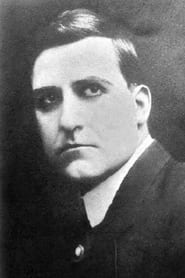
C. Norman Hammond
Actor
Born: 1868 in San Francisco, California, USA Died: 1933 Active: 1916-1922 Birth Name: Charles Norman Hammond
Films
3 films
About C. Norman Hammond
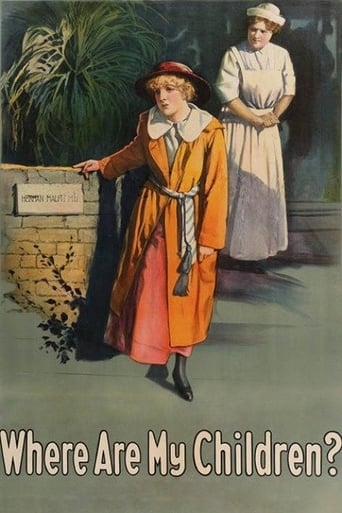
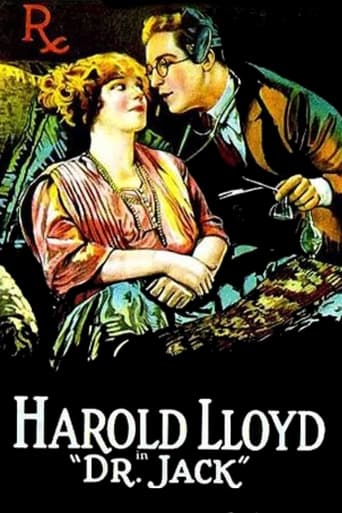
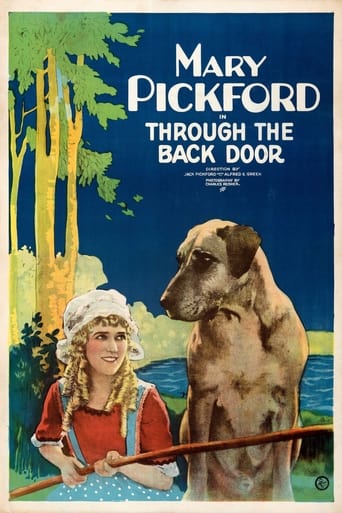
American character actor who worked during the silent film era, primarily in the 1910s and early 1920s. C. Appears in supporting roles in several notable productions of the period, including Lois Weber's controversial social drama 'Where Are My Children?' (1916), which tackled the taboo subject of birth control. Hammond worked with some of the biggest stars of the era, including Mary Pickford in 'Through The Back Door' (1921) and Harold Lloyd in the comedy 'Dr. Jack' (1922). His career, while brief, spanned the transitional period when cinema was evolving from short films to feature-length productions. Like many character actors of his time, he often played authority figures, professionals, or supporting characters that helped advance the plot. His filmography appears to have ended around 1922, coinciding with the industry's shift toward more sophisticated productions and the eventual transition to sound.
The Craft
On Screen
As a character actor from the silent era, Hammond employed the exaggerated gestures and facial expressions typical of the period, using physical theater techniques to convey emotion and character motivation to audiences without dialogue. His performances were rooted in the theatrical tradition of the 19th century, adapted for the new medium of cinema.
Milestones
- Appeared in Lois Weber's controversial 'Where Are My Children?' (1916)
- Worked with Mary Pickford in 'Through The Back Door' (1921)
- Supported Harold Lloyd in 'Dr. Jack' (1922)
- Transitioned from stage to film during the silent era
Best Known For
Iconic Roles
Must-See Films
Working Relationships
Worked Often With
Studios
Why They Matter
Impact on Culture
While not a major star, C. Norman Hammond contributed to several significant films of the silent era that addressed important social issues or featured major stars. His appearance in 'Where Are My Children?' placed him in. His work with director Lois Weber connected him to.
Lasting Legacy
Hammond's legacy is primarily preserved through his participation in historically significant silent films that have survived and been studied by film historians. His role in 'Where Are My Children?' ensures his place in cinema history as part of a groundbreaking film that pushed boundaries of acceptable content in early cinema. Like many character actors of his era, his contributions, while not widely recognized by the general public, helped build the foundation of American cinema during its formative years.
Who They Inspired
As a supporting actor during the transitional period from stage to film, Hammond was part of the generation of performers who helped establish acting techniques specific to cinema. His work with major stars and directors of the era contributed to the development of film acting as a distinct art form separate from theatrical performance.
Off Screen
Very little is documented about Hammond's personal life, which was common for supporting actors of the silent era who did not achieve star status. He was born Charles Norman Hammond in San Francisco in 1868, suggesting he was in his late 40s when he began his film career, indicating a possible transition from stage acting to the new medium of cinema.
Did You Know?
- Began his film career relatively late in life, starting in his late 40s
- Appeared in
- Worked with female director Lois Weber
- His film career lasted only 6 years but spanned important developments in cinema
- Appeared in films with two of the biggest stars of the silent era: Mary Pickford and Harold Lloyd
- His birth name was Charles Norman Hammond
- Born in San Francisco, suggesting possible early exposure to theater and entertainment
- His career ended just before the transition to sound films began
- Like many character actors, he often played roles that required little transformation from his actual appearance
- His death in 1933 meant he did not live to see the full transition to sound cinema
Frequently Asked Questions
Who was C. Norman Hammond?
American character with credits in this catalog.
What films is C. Norman Hammond best known for?
Titles linked here include Where Are My Children? (1916), Through The Back Door (1921).
When was C. Norman Hammond born and when did he die?
Born 1868; died 1933.
What awards did C. Norman Hammond win?
There are no recorded awards or nominations for C. Norman Hammond, which was common for supporting character actors during the silent era who did not achieve star status.
What was C. Norman Hammond's acting style?
Hammond employed the typical acting style of the silent era, using exaggerated gestures and facial expressions to convey emotion and character, drawing from theatrical traditions adapted for the new medium of cinema.