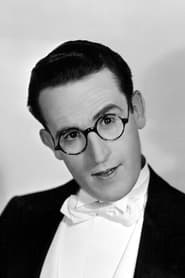
Harold Lloyd
Actor & Director
Born: April 20, 1893 in Burchard, Nebraska, USA Died: March 8, 1971 Active: 1915-1947 (primary), 1913-1962 (including appearances) Birth Name: Harold Clayton Lloyd
Films
59 films
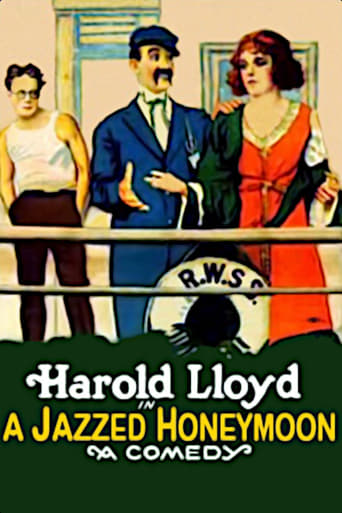
A Jazzed Honeymoon
1919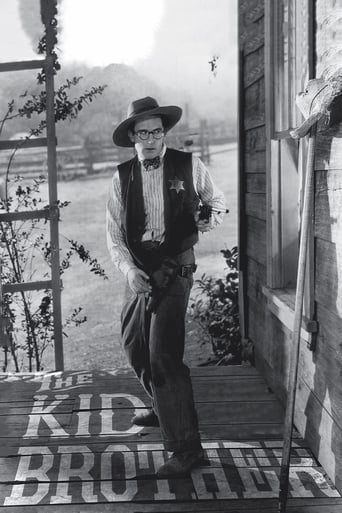
The Kid Brother
1927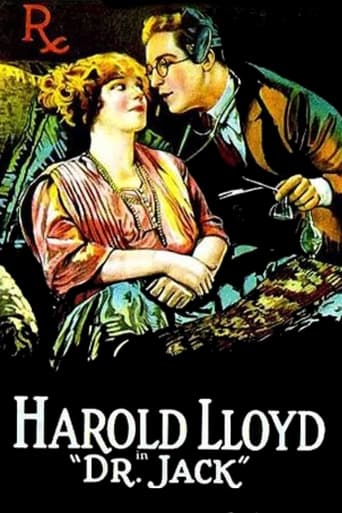
Dr. Jack
1922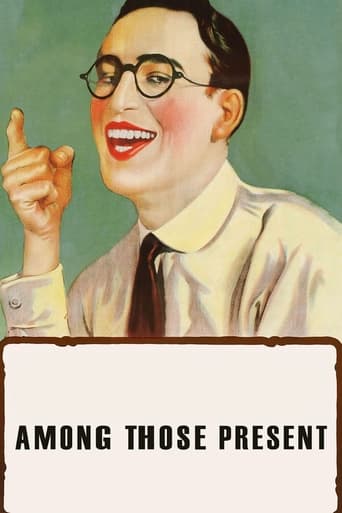
Among Those Present
1921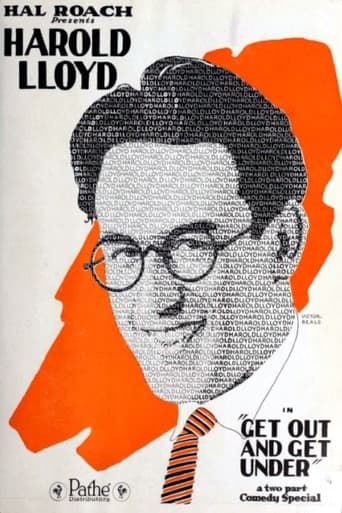
Get Out and Get Under
1920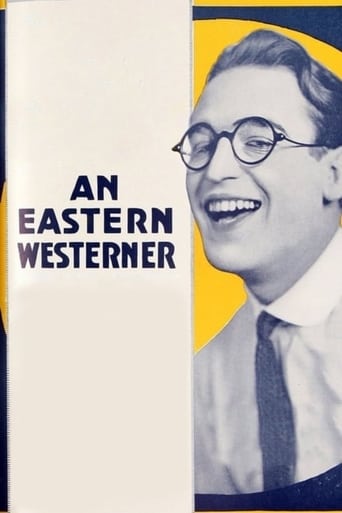
An Eastern Westerner
1920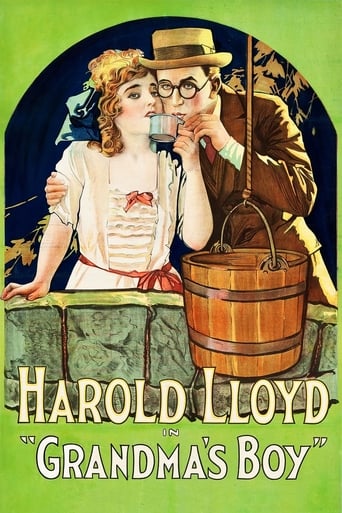
Grandma's Boy
1922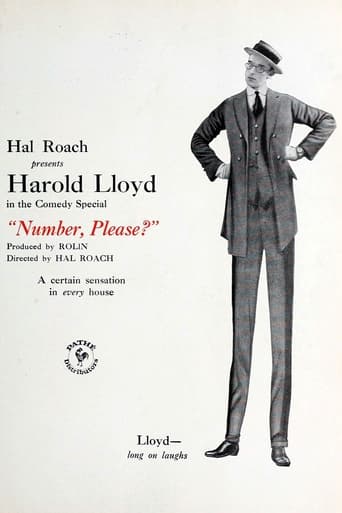
Number, Please?
1920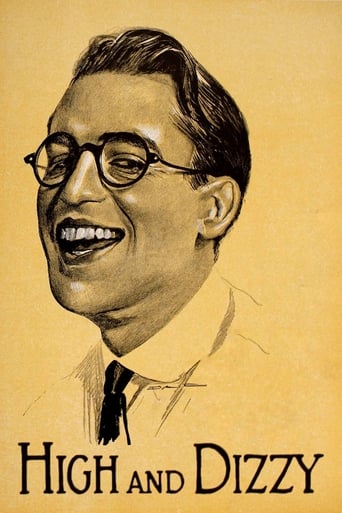
High and Dizzy
1920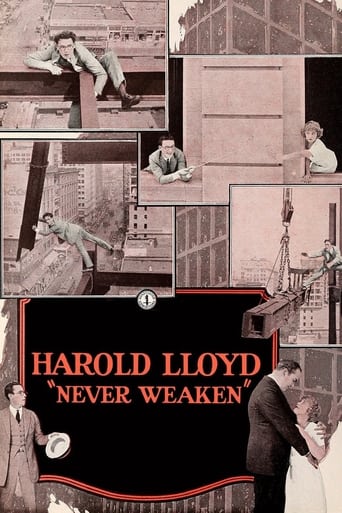
Never Weaken
1921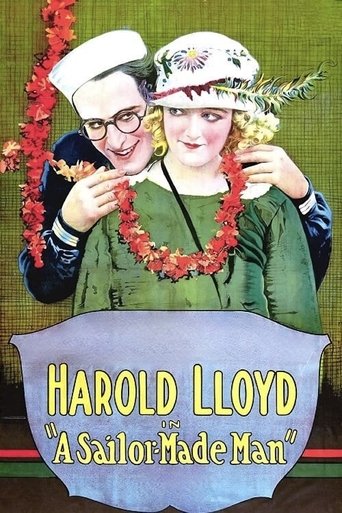
A Sailor-Made Man
1921
Love, Loot and Crash
1915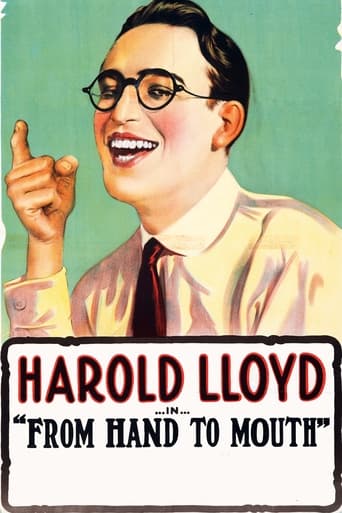
From Hand to Mouth
1919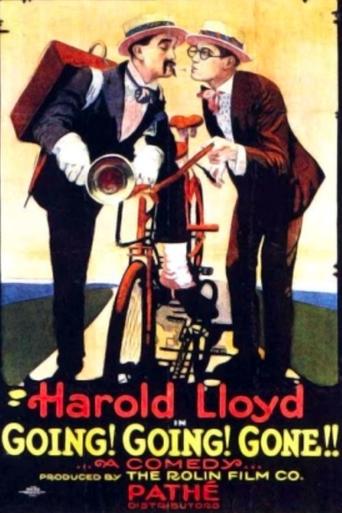
Going! Going! Gone!
1919
The City Slicker
1918
Look Pleasant, Please
1918
A Gasoline Wedding
1918
Welcome Danger
1929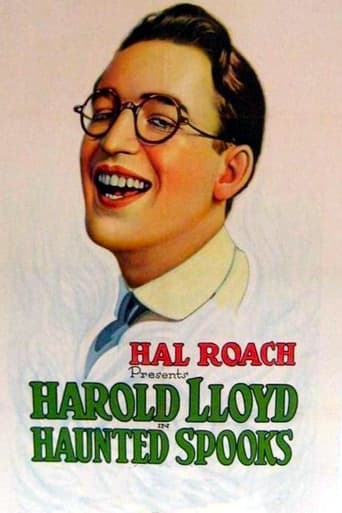
Haunted Spooks
1920
On the Fire
1919
All Aboard
1917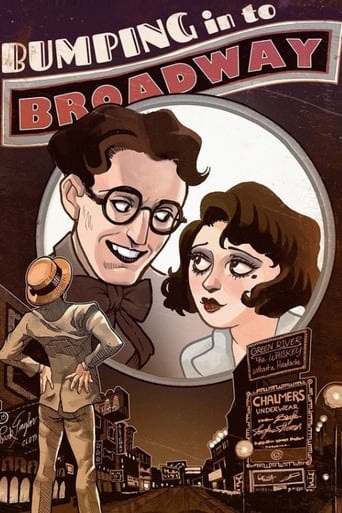
Bumping Into Broadway
1919
Hot Water
1924
Are Crooks Dishonest?
1918
A Sammy in Siberia
1919
Just Neighbors
1919
By the Sad Sea Waves
1917
The Non-Stop Kid
1918
Bliss
1917
I'm on My Way
1919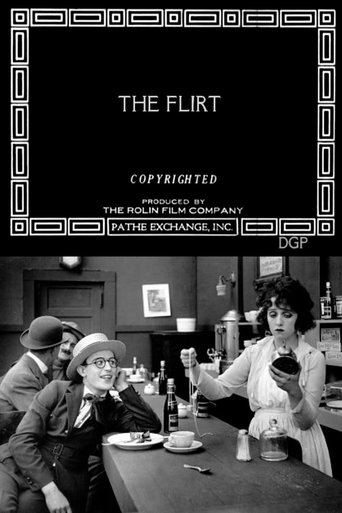
The Flirt
1917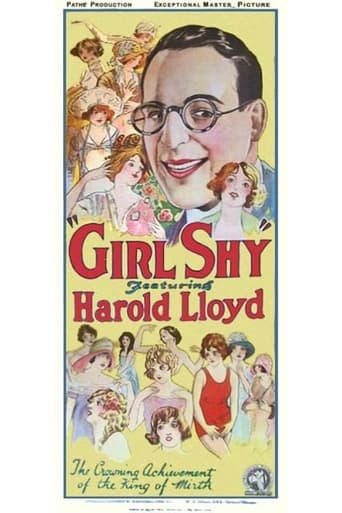
Girl Shy
1924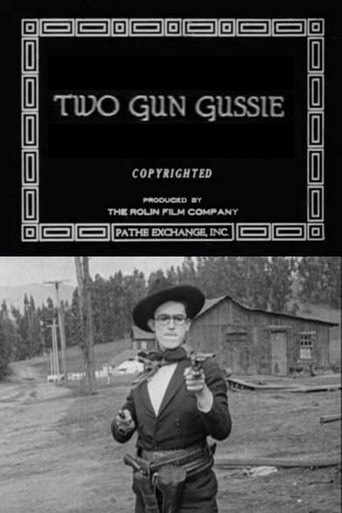
Two-Gun Gussie
1918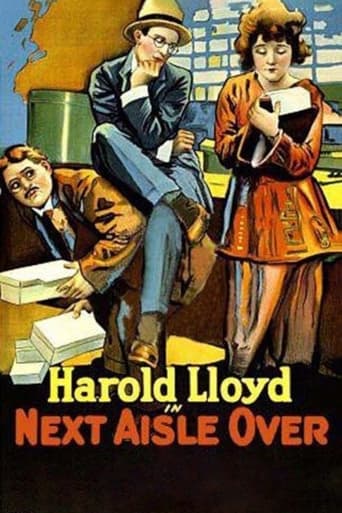
Next Aisle Over
1919
Ring Up the Curtain
1919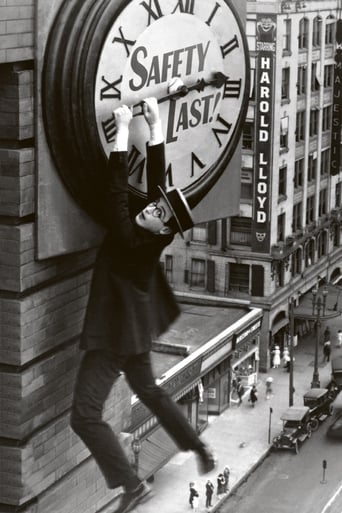
Safety Last!
1923
For Heaven's Sake
1926
The Freshman
1925
Court House Crooks
1915
Feet First
1930
His Royal Slyness
1920
I Do
1921
Ask Father
1919
Their Social Splash
1915
Now or Never
1921
Bashful
1917
Chop Suey & Co.
1919
Hey There
1918
Take a Chance
1918
That's Him
1918
Rainbow Island
1917
Young Mr. Jazz
1919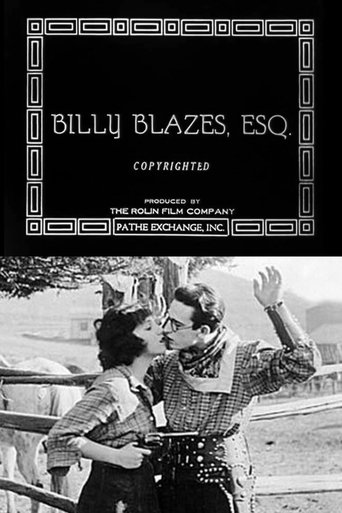
Billy Blazes, Esq.
1919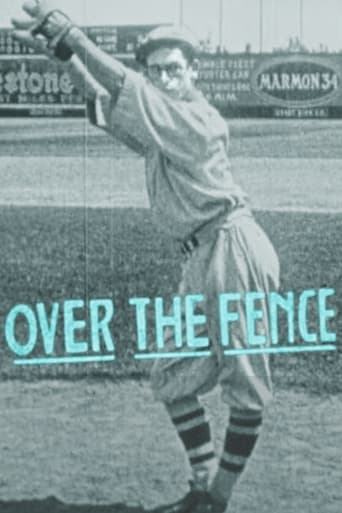
Over the Fence
1917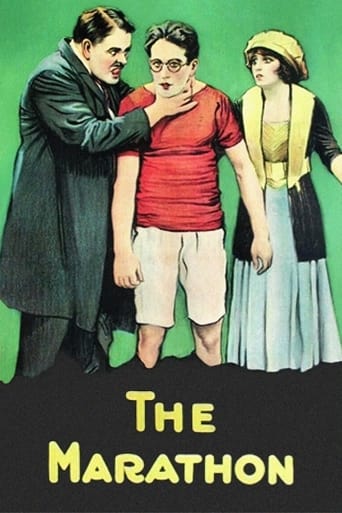
The Marathon
1919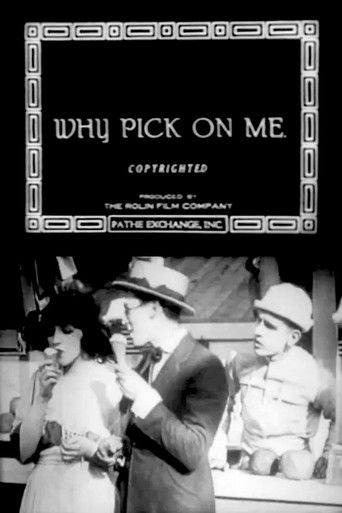
Why Pick on Me?
1918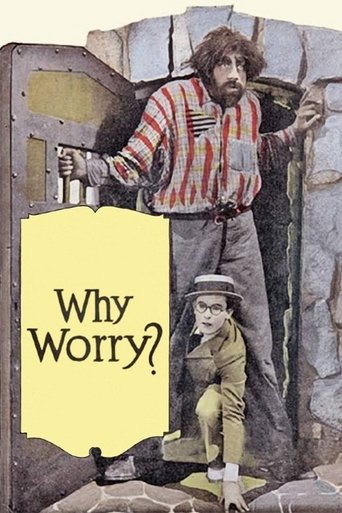
Why Worry?
1923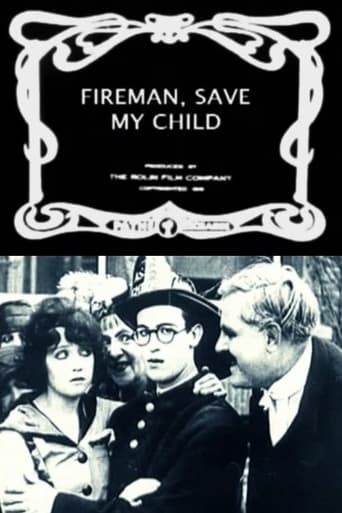
Fireman Save My Child
1918About Harold Lloyd
Harold Clayton Lloyd was and successful comedians of the silent film era, known for his innovative approach to physical comedy and death-defying stunts. Beginning his career in 1915 with short comedies, Lloyd developed his 'Glasses Character' - an optimistic, ambitious everyman who constantly found himself in increasingly dangerous and hilarious situations. Unlike his contemporaries Charlie Chaplin and Buster Keaton, Lloyd's character was a modern American success story, embodying the can-do spirit of the Roaring Twenties. His most famous works include the feature 'Safety Last!' (1923), featuring the clock-hanging sequence that became one of cinema's most enduring images. Throughout the 1920s, Lloyd was one of Hollywood's highest-paid and most popular stars, making successful transitions to both feature films and sound pictures. He continued making films through the 1930s and 1940s, though his pace slowed, and he received an honorary Academy Award in 1953 for his contributions to American comedy. Beyond his film career, Lloyd was also a passionate photographer, innovator in 3D filmmaking, and philanthropist, leaving an indelible mark on both cinema and American popular culture.
The Craft
On Screen
Lloyd developed a unique comedic style characterized by his 'Glasses Character' - an optimistic, determined everyman who embodied the American Dream. His comedy was more relatable and contemporary than his contemporaries, featuring modern settings, technology, and situations that audiences could recognize. Unlike Chaplin's Tramp or Keaton's Stone Face, Lloyd's character was ambitious and actively pursued success, making his comedic failures more ironic. He was known for performing his own elaborate and dangerous stunts, often at great heights, creating genuine tension mixed with humor. His physical comedy was precise and athletic, combining acrobatic skill with perfect comedic timing, while his expressive face behind the glasses could convey a wide range of emotions from determination to terror to triumph.
Behind the Camera
As a director, Lloyd was meticulous in his planning and execution, particularly regarding stunt sequences and comedic timing. He often collaborated closely with his directors, including Sam Taylor and Fred Newmeyer, while maintaining creative control over his films. His directing approach emphasized clarity of visual storytelling, ensuring that even complex physical comedy sequences were easily understood by audiences. Lloyd pioneered techniques for heightening tension in comedy, using careful camera placement and editing to maximize the impact of his dangerous stunts. He was innovative in his use of urban environments as comedic playgrounds, transforming everyday locations into spectacular settings for his action comedy sequences.
Milestones
- Created the iconic 'Glasses Character' persona in 1917
- Formed his own production company in 1918
- Lost thumb and index finger in 1919 accident but continued performing stunts
- Starred in 'Safety Last!' (1923) with legendary clock-hanging sequence
- Released 'The Freshman' (1925),
- Won honorary Academy Award in 1953 for master comedian
- Pioneered 3D filmmaking in the 1950s
- Published extensive photographic collection of Hollywood history
Best Known For
Iconic Roles
Must-See Films
Accolades
Won
- Honorary Academy Award (1953) - For his master comedy and his work in the comedy of motion pictures
- Golden Globe Cecil B. DeMille Award (1952)
- Photographic Society of America Progress Medal (1953)
- George Eastman Award (1955)
Nominated
- Academy Award for Best Writing, Original Story for 'The Milky Way' (1936)
- Writers Guild of America Award for 'The Sin of Harold Diddlebock' (1948)
Special Recognition
- Hollywood Walk of Fame star at 6840 Hollywood Boulevard
- Inducted into the International Comedy Hall of Fame
- AFI's 100 Stars list - Ranked #67 among male screen legends
- National Film Registry selections for 'Safety Last!' and 'The Freshman'
- Harold Lloyd Estate designated as Historic-Cultural Monument (1977)
Working Relationships
Worked Often With
Studios
Why They Matter
Impact on Culture
Harold Lloyd's impact on cinema and American culture was profound and multifaceted. His 'Glasses Character' became an iconic representation of the optimistic, ambitious American spirit during the Roaring Twenties, embodying the belief that determination and hard work could overcome any obstacle. His innovative stunt work, particularly the clock-hanging sequence in 'Safety Last!', set new standards for action comedy and influenced generations of filmmakers. Lloyd's films were among the first to extensively use modern urban environments as backdrops for comedy, transforming cities into playgrounds for physical comedy. His success as an independent producer demonstrated that creative control and financial independence were possible in Hollywood, paving the way for future filmmaker-producers. Beyond cinema, Lloyd's extensive photography work preserved invaluable documentation of Hollywood's golden age, while his experiments with 3D filmmaking in the 1950s anticipated future technological developments in cinema.
Lasting Legacy
Harold Lloyd's legacy endures through his timeless comedy films that continue to entertain audiences nearly a century after their creation. His work in physical comedy and stunt performance influenced countless comedians and action filmmakers, from Jackie Chan to Jim Carrey. The Harold Lloyd Estate, including his famous Greenacres mansion and extensive film archives, shows his contributions to cinema history. His films are regularly screened at film festivals and museums, with 'Safety Last!' and 'The Freshman' consistently ranked among the greatest comedies ever made. Lloyd's business acumen and successful transition from silent films to talkies provided a model for career longevity in the entertainment industry. His preservation of Hollywood history through photography and film archiving has ensured that future generations can study and appreciate the golden age of cinema. The Harold Lloyd Comedy Award continues to honor excellence in comedy, maintaining his influence on contemporary performers.
Who They Inspired
Harold Lloyd's influence on comedy and cinema is immeasurable, extending far beyond his own films. His blend of relatable character comedy with spectacular stunts created a template that countless performers have followed. The physical comedy techniques he developed influenced generations of comedians, including Jerry Lewis, Peter Sellers, and modern performers like Johnny Knoxville and the Jackass crew. His approach to character development - creating an optimistic, determined everyman - provided an alternative to the more tragic clown personas of his contemporaries. Filmmakers such as Steven Spielberg and Martin Scorsese have cited Lloyd's innovative camera work and stunt choreography as influences on their action sequences. His success as an independent producer inspired future filmmakers to seek creative control over their work. Lloyd's experiments with 3D filmmaking in the 1950s anticipated the technology's eventual mainstream adoption, demonstrating his forward-thinking approach to cinema technology.
Off Screen
Harold Lloyd married his frequent co-star Mildred Davis in 1923, and they remained married until her death in 1969. The couple had three children: Gloria, born in 1923, and twins Marjorie and Harold Jr., born in 1925. Lloyd was known for his business acumen, investing wisely in real estate and becoming one of Hollywood's wealthiest stars. He was an avid Freemason and Shriner, participating in numerous charitable activities. After retiring from films, Lloyd dedicated himself to photography, compiling an extensive collection of over 300,000 photographs documenting Hollywood's golden age. He was also passionate about civic engagement and served on the boards of various charitable organizations. Following a stroke in 1965, Lloyd spent his final years at his estate, Greenacres, in Beverly Hills, surrounded by his extensive collection of film memorabilia and photographs.
Education
Attended San Diego High School and later the University of California, Berkeley, though he left before graduating to pursue his film career. He also studied dramatic arts at the School of Dramatic Art in Los Angeles.
Family
- Mildred Davis (1923-1969, her death)
Did You Know?
- Lost his right thumb and index finger in 1919 when a prop bomb exploded, but wore a prosthetic glove in films for the rest of his career
- Performed all his own stunts, including the famous clock-hanging sequence in 'Safety Last!' which was done on the side of a real building
- Was one of the highest-paid stars of the 1920s, earning over $15,000 per week at his peak
- Owned the 16-acre Greenacres estate in Beverly Hills, which included a 44-room mansion and 9-hole golf course
- Took over 300,000 photographs documenting Hollywood's golden age, including rare behind-the-scenes images
- Experimented with 3D filmmaking in the 1950s, creating stereoscopic images of celebrities and landscapes
- Was a 33rd degree Freemason and Shriner, heavily involved in charitable work
- His glasses were not prescription - they were a prop to help create his character
- Made over 200 comedy films during his career, both shorts and features
- Received an honorary Academy Award in 1953 presented by his friend James Cagney
- His films were among the first to extensively product place contemporary brands and technology
- Survived a serious fall during the filming of 'Haunted Spooks' (1920) that could have ended his career
- Was an avid golfer and hosted many celebrity tournaments at his estate
- His estate Greenacres was used as a filming location for numerous movies and TV shows
- Turned down numerous offers to appear on television, preferring to preserve his film legacy
In Their Own Words
Comedy today is not a thing of the past. It is rather a serious business.
I don't think we ought to be satisfied with anything less than the best we can do.
The most dangerous thing in the world is to try to do something that has never been done before.
I'm a comedian who doesn't want to be a clown. There's a difference.
The greatest thrill in the world is to be able to step out on a stage and make people laugh.
You have to have a certain amount of faith in yourself and in what you're doing.
I never considered myself a great actor. I was a great comedian.
The secret of my success is that I always tried to give the public what they wanted.
I believe that laughter is the best medicine for whatever ails you.
In comedy, as in life, timing is everything.
Frequently Asked Questions
Who was Harold Lloyd?
Harold Lloyd was. Along with Charlie Chaplin and Buster Keaton, he was considered one of the three great comedy icons of the 1920s, famous for films like 'Safety Last!' and 'The Freshman'.
What films is Harold Lloyd best known for?
Titles linked here include Safety Last! (1923), The Freshman (1925).
When was Harold Lloyd born and when did he die?
Born April 20, 1893; died March 8, 1971.
What awards did Harold Lloyd win?
Harold Lloyd received an Honorary Academy Award in 1953 for his master comedy contributions to motion pictures, the Golden Globe Cecil B. DeMille Award in 1952, and was ranked #67 on AFI's list of greatest male screen legends. His films 'Safety Last!' and 'The Freshman' were selected for preservation in the National Film Registry.
What was Harold Lloyd's acting style?
Lloyd's acting style centered on his 'Glasses Character' - an optimistic, ambitious everyman who embodied the American Dream. Unlike his contemporaries, his comedy was modern and relatable, featuring contemporary settings and situations. He was famous for performing his own dangerous stunts with incredible precision and timing, creating genuine tension mixed with humor.
Did Harold Lloyd really do his own stunts?
Yes, Harold Lloyd performed virtually all his own stunts, including the famous clock-hanging sequence in 'Safety Last!' which was done on the side of a real building several stories high. Despite losing two fingers in a 1919 prop bomb accident, he continued performing dangerous stunts throughout his career, often without safety equipment.
How did Harold Lloyd influence later comedians?
Harold Lloyd influenced generations of comedians through his innovative blend of character comedy and physical stunts. His work inspired performers from Jerry Lewis to Jim Carrey, and his stunt techniques influenced action filmmakers like Jackie Chan. His success as an independent producer also paved the way for future filmmakers seeking creative control.
What happened to Harold Lloyd's film collection?
Harold Lloyd preserved his films and extensive collection of over 300,000 photographs documenting Hollywood's golden age. The Harold Lloyd Estate, including his Greenacres mansion, was designated a Historic-Cultural Monument, and his films continue to be preserved and screened by film archives and museums worldwide.