



Going! Going! Gone!
"Rescue, bicycle chase, and thieves with a breakdown"
Keys: Space play/pause · ←/→ 10s · F fullscreen · M mute · </> speed
About this film
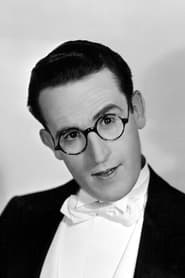
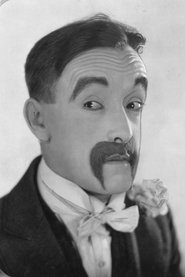
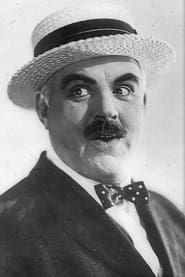
Lloyd and Pollard help a young girl out of the water but they are then chased by a shrew. On a bicycle built for two, Lloyd lazes about on the back while Pollard sweats from all of his effort. Thieves escape by car but it breaks down.
Cast & crew
More Comedy films
View all →






More from Gilbert Pratt
View all →
More about this film
About the production
Release dateJune 8, 1919
Box officeBox office figures not recorded for this specific short
ProductionRolin Film Company (Hal Roach Studios)
Filmed inLos Angeles, California - likely filmed at Hal Roach Studios in Culver City
This was one of many two-reel comedies Harold Lloyd produced for Hal Roach during his contract period. The film was shot quickly, as was typical for comedy shorts of this era, often completing production in just a few days. The tandem bicycle sequences required careful coordination and physical timing, with Lloyd and Pollard performing their own stunts. The film was released through Pathé Exchange, which distributed Roach's comedies during this period.
Themes
Friendship and partnershipComic justice and ironyMistaken identityThe perils of misguided helpfulnessModern technology and its complications
Themes & topics
Historical background
Made during the studio era of 1919, Going! Going! Gone! reached audiences through theatrical programs, fairground booths, or specialized distribution channels typical of its generation. Lloyd and Pollard help a young girl out of the water but they are then chased by a shrew. On a bicycle built for two,. Historians now read such works for what they reveal about production methods, national taste, and the expanding vocabulary of screen narrative.
Why this film matters
Archivists and programmers still screen Going! Going! Gone! when tracing how popular entertainment evolved. Its subject—lloyd and pollard help a young girl out of the water but they are then chased by a shrew. on a—gives later viewers tangible evidence of what drew crowds in the silent period. Home video, restorations, and festival sidebars keep the title circulating among students of film history.
Making of
The production of 'Going! Going! Gone!' exemplified the efficient factory-like approach of Hal Roach Studios during the silent comedy boom. Harold Lloyd was under contract to produce multiple shorts per year, and these films were typically shot in just 2-3 days with minimal scripting and heavy reliance on improvisation and physical comedy. The tandem bicycle sequences would have required extensive rehearsal to achieve the comic timing, with Lloyd and Pollard developing their chemistry through countless previous collaborations. The film was likely shot on the Roach studio backlot, with the water rescue scene possibly filmed in one of the studio's tanks or at a nearby location. As with most silent comedies of this era, the intertitles were written after filming was complete, often tailored to enhance the visual gags rather than drive the narrative.
What critics said
Original trade coverage treated Going! Going! Gone! as routine program filler rather than a landmark production—common for shorts. Later criticism emphasizes preservation, stylistic comparison with contemporaries, and whatever cast or crew names later gained prominence. Contemporary writing is mostly historical: assessing completeness, influence, and place in a director's or studio's catalog.
Did you know?
- This film was released during Harold Lloyd's transition period before he fully developed his famous 'Glasses Character' persona
- Director Gilbert Pratt was a frequent collaborator with Lloyd, directing dozens of his shorts between 1915-1920
- The tandem bicycle was a popular comedy prop in silent films, allowing for visual gags about cooperation and conflict
- Harry 'Snub' Pollard was one of Lloyd's most regular co-stars during his early career, appearing in over 50 shorts together
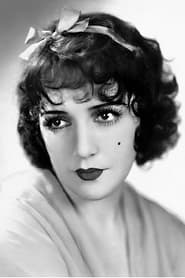
- Bebe Daniels, who appears briefly in this film, would later become a major star in both silent and sound films
- The film's title plays on auction terminology, though no auction scene appears in the film - a common marketing practice of the era
- This was one of approximately 15-20 shorts Lloyd appeared in during 1919 alone
- The car thieves subplot reflects the growing automobile culture and crime concerns of post-WWI America
- Pathé Exchange, the distributor, was one of the major film distribution companies of the silent era
- The film was likely shot on the same studio lot as other contemporary Roach productions featuring stars like Stan Laurel
Visual style
The cinematography in 'Going! Going! Gone!' reflects the practical approach of silent comedy production. The camera work was primarily functional, designed to clearly capture the physical comedy and action sequences. Long takes were favored for chase scenes and physical gags, allowing audiences to fully appreciate the performers' timing and stunts. The film likely used stationary camera positions typical of the era, with movement achieved through actor blocking rather than camera mobility. Lighting would have been natural or basic studio lighting, prioritizing visibility over artistic effect. The visual composition emphasized clarity of action and expression, essential for silent film comedy where visual storytelling was paramount.
Innovations
While not groundbreaking technically, 'Going! Going! Gone!' demonstrates the sophisticated stunt coordination and timing that characterized quality silent comedies. The tandem bicycle sequences required precise choreography between Lloyd and Pollard, showcasing their developed comedic partnership. The film's production exemplified the efficient assembly-line approach of Hal Roach Studios, which could produce high-quality comedy shorts on tight schedules. The use of automobiles in the comedy reflects the growing technical capabilities of film production to incorporate modern props and settings. The film's survival through the decades also speaks to the relatively good preservation practices of Harold Lloyd, who carefully maintained his film library.
Music
As a silent film, 'Going! Going! Gone!' would have been accompanied by live musical performance during theatrical exhibition. The typical accompaniment would have been piano or organ music, often improvised by the theater musician or selected from stock libraries of appropriate mood music. For chase sequences, upbeat, frantic music would have been used, while the water rescue scene might have featured more dramatic or romantic themes. The specific musical selections would have varied by theater and musician, with larger theaters employing small orchestras while smaller venues used solo piano. No original score was composed for the film, as was standard practice for comedy shorts of this period.
Famous quotes
As a silent film, dialogue quotes are not applicable, but intertitles may have included phrases like 'Help! Help!' during the water rescue and 'Stop! Thieves!' during the chase sequences
Memorable scenes
- The opening water rescue sequence where Lloyd and Pollard heroically save the young woman, only to face the wrath of her mother; The extended tandem bicycle sequence showcasing Lloyd's lazy character lounging while Pollard struggles to pedal; The ironic conclusion where the thieves steal the bicycle, leaving Lloyd and Pollard unexpectedly in possession of their car
What audiences thought
The film was well-received by contemporary audiences who were avid consumers of comedy shorts. Harold Lloyd was already a popular star by 1919, and his films consistently drew crowds to theaters. The bicycle gags and chase sequences would have been particularly appealing to audiences of the era, who appreciated the physical comedy and situational humor. The film's brief runtime made it perfect for theater programs that typically included multiple shorts, a feature, and newsreels. While specific audience figures are not recorded, the continued production of Lloyd shorts during this period indicates strong commercial success and audience demand.
Film connections
Influenced by
- Mack Sennett Keystone comedies
- Charlie Chaplin's early shorts
- American slapstick tradition
- Vaudeville comedy routines
This film influenced
- Later Harold Lloyd feature films
- Subsequent bicycle comedy sequences in film
- The development of the two-person comedy team format
Film restoration
The film is believed to survive, as Harold Lloyd was meticulous about preserving his work. Many of his 1919 shorts exist in film archives and private collections, though some may only be available in incomplete or deteriorated prints. The Harold Lloyd Estate maintains an extensive collection of his films, and this short is likely included in their archive.
Where to watch
- The film may be available in Harold Lloyd compilation DVD collections
- Potential screenings at silent film festivals or archive exhibitions
- Possible availability through film preservation organizations like the Library of Congress or UCLA Film & Television Archive
- May be included in streaming services specializing in classic cinema or silent films