
Safety Last!
"Hold on—literally"
Keys: Space play/pause · ←/→ 10s · F fullscreen · M mute · </> speed
About this film
Country store clerk Harold Lloyd pretends success to impress his girlfriend, then must scale a skyscraper in a publicity stunt gone wrong. The climb remains silent comedy's most famous set piece.
Cast & crew
More films like this

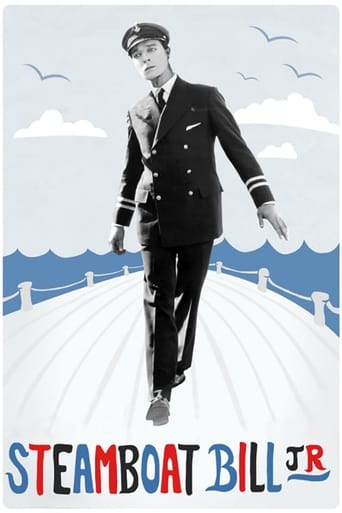
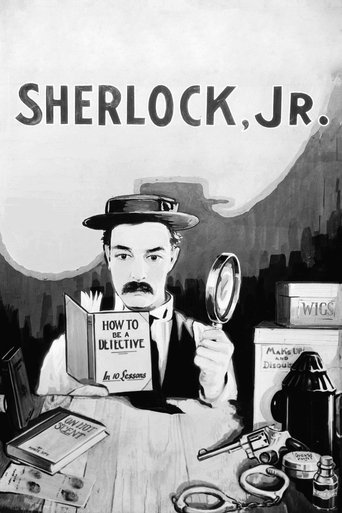
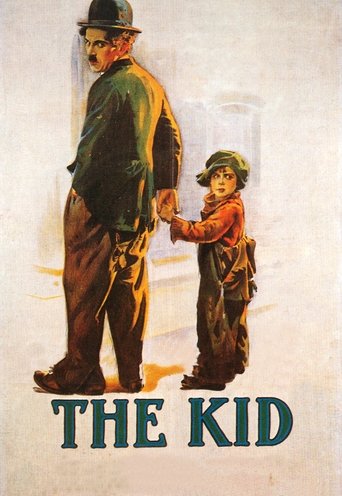
More Comedy films
View all →






More from Fred C. Newmeyer
View all →
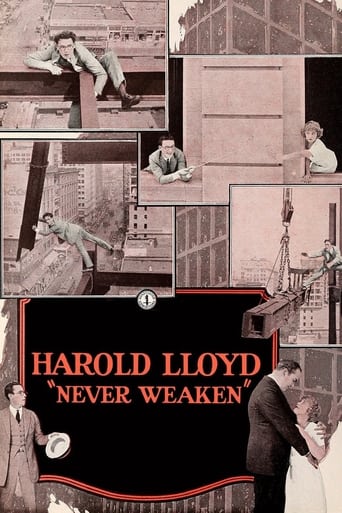
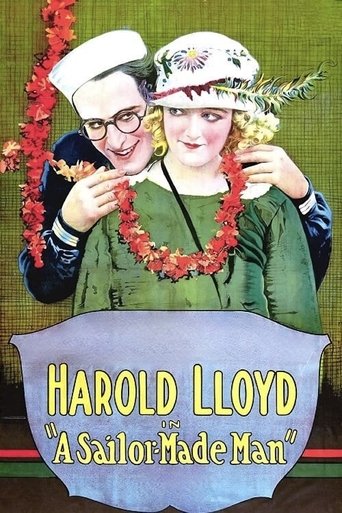
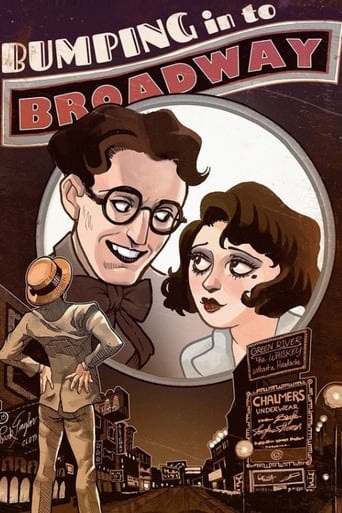
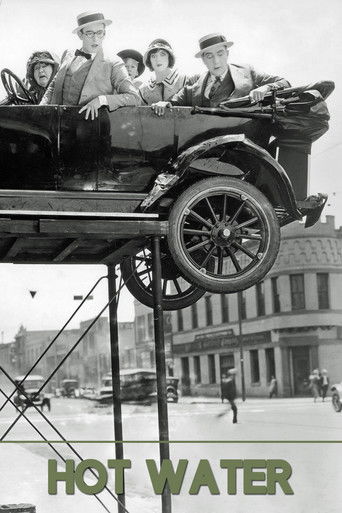
More about this film
About the production
Release dateApril 1, 1923
Budget$120,000-$150,000
Box office$1.5 million (among the leading profitable films of 1923)
ProductionHal Roach Studios, Pathé Exchange
Filmed inLos Angeles, California, International Bank Building at 631 South Spring Street, Los Angeles, Roosevelt Hotel rooftop for set construction
The famous clock-hanging scene was filmed on a specially constructed set built on top of the Roosevelt Hotel, with mattresses placed strategically below for safety. Harold Lloyd performed most of his own stunts, though a platform was hidden just below the clock. The building facade was built with removable sections to accommodate camera angles. Lloyd had previously lost his thumb and index finger in an accident with a prop bomb, which he cleverly hid by wearing a prosthetic glove throughout his career. The film's success led to Lloyd becoming the highest-paid comedian of the 1920s.
Themes
Ambition and the American DreamUrbanization and Modern LifeDeception vs. TruthLove and SacrificeRisk and Reward
Themes & topics
building climbingdepartment storestuntclockdeceptionromancecomedysilent filmdangerambitionbig citysuccessperilthrilldetermination
Historical background
Safety Last! (1923) captured 1920s urban ambition and spectacle culture as skyscrapers reshaped American skylines.
Why this film matters
The clock-hanging image entered popular iconography and defined Lloyd's 'glass' character for generations.
Making of
The production of 'Safety Last!' was groundbreaking in its approach to stunt work and visual effects. Director Fred C. Newmeyer, along with co-director Sam Taylor, devised innovative camera techniques to create the illusion of extreme height and danger. The famous clock sequence required months of planning and construction of elaborate sets. Harold Lloyd, despite his previous injury, insisted on performing most of his own stunts to maintain authenticity. The production team built multiple sets at different heights to accommodate various camera angles. The film's success was partly due to Lloyd's meticulous attention to detail and his willingness to push the boundaries of what was considered possible in silent comedy. The chemistry between Lloyd and his real-life wife Mildred Davis added genuine emotional depth to their on-screen romance.
What critics said
Audiences and trade press celebrated its stunt work; critics today analyze its class comedy and vertigo gags.
Did you know?
- Harold Lloyd performed most of his own stunts despite having previously lost his thumb and index finger in a 1919 accident with a prop bomb
- The famous clock-hanging sequence was filmed on a set built on top of the Roosevelt Hotel, not on an actual building exterior
- The building used for establishing shots was the International Bank Building in Los Angeles, which still stands today
- A safety platform was hidden just below the clock, but Lloyd still performed the majority of the dangerous climb himself
- The film's title is a play on the common phrase 'Safety First,' which was popular in the 1920s
- Bill Strother, who played the 'human fly' character, was actually a real-life building climber from North Carolina
- The clock face used in the film was 8 feet in diameter and weighed approximately 500 pounds
- The film was so successful that it made Harold Lloyd the highest-paid comedian of the 1920s
- The notable image of Lloyd hanging from the clock has been referenced in numerous films, including 'Back to the Future' and 'Hugo'
- The film was selected for preservation in the National Film Registry in 1994
Awards & recognition
- Selected for preservation in the National Film Registry (1994)
- Ranked #97 on American Film Institute's 100 Years...100 Laughs (2000)
- Ranked #97 on American Film Institute's 100 Most Thrilling American Films (2001)
Visual style
The cinematography by Walter Lundin and Charles G. Clarke was revolutionary for its time, employing innovative techniques to create the illusion of extreme height and danger. The filmmakers used multiple camera angles, including dizzying overhead shots and dramatic low-angle views to enhance the sense of peril during the climbing sequence. The use of matte paintings and forced perspective helped create the illusion of a much taller building. The clock-hanging sequence employed a specially designed camera platform that could move alongside the performers, creating dynamic tracking shots that were groundbreaking for the era. The film's visual style combined the documentary-like realism of location shooting with the controlled environment of studio sets, creating a seamless blend that enhanced the film's credibility and suspense.
Innovations
'Safety Last!' pioneered several technical innovations that influenced future filmmaking. The production team developed new methods for creating the illusion of extreme height, including the use of forced perspective and matte paintings. The clock-hanging sequence required the construction of a elaborate set that could be rotated and adjusted to accommodate various camera angles. The film also featured innovative editing techniques, particularly in the climbing sequence where cross-cutting between different perspectives created maximum suspense. The use of multiple cameras for complex stunt sequences was relatively new at the time and helped capture the action from various angles simultaneously. The film's success demonstrated the commercial viability of big-budget stunt sequences, paving the way for more ambitious action films in subsequent years.
Music
As a silent film, 'Safety Last!' was originally accompanied by live musical performances in theaters. The typical score would have included popular songs of the era along with classical pieces adapted for the film's various moods. Modern restorations have featured newly composed scores by artists such as Carl Davis and Robert Israel, who created original orchestral compositions that enhance the film's comedic and dramatic elements. The music typically incorporates jazz influences from the 1920s, along with classical pieces by composers like Debussy and Ravel to underscore the romantic scenes. The climbing sequence features increasingly frantic and suspenseful music to heighten the tension, while comedic moments are accompanied by lighter, more playful melodies.
Famous quotes
I'm the manager of this department store!" (Harold Lloyd's boast to his girlfriend)
A thousand dollars! Think of it! A thousand dollars!" (The store owner announcing the climbing contest)
You're not going to climb that building, are you?" (Mildred Davis's concerned question)
Title card: 'A human fly... or a human flea?'
Title card: 'He would risk anything for the girl he loved'
Memorable scenes
- The notable clock-hanging sequence where Harold Lloyd dangles precariously from the hands of a giant clock face high above the city street, creating one of cinema's most enduring images of suspense and comedy
- The opening scene where Harold says goodbye to his mother and girlfriend at the train station, promising to make his fortune in the big city
- The department store chaos where Harold tries to hide his lowly clerk position from his visiting girlfriend
- The sequence where Harold's friend, the human fly, demonstrates his climbing abilities on the store's interior
- The final reunion scene where Harold, having successfully completed the climb, embraces his girlfriend with his hard-earned money
What audiences thought
Audiences in 1923 were electrified by 'Safety Last!,' with theaters reporting record attendance and multiple screenings per day to meet demand. The film's suspenseful climax reportedly caused viewers to scream, faint, and even leave the theater during initial showings. Contemporary audience members were particularly impressed by Lloyd's apparent death-defying stunts, not realizing the safety measures in place. The film's popularity helped establish Harold Lloyd as a major box office draw, second only to Charlie Chaplin in terms of audience appeal. Modern audiences continue to respond enthusiastically to the film, with its blend of comedy, romance, and genuine suspense holding up remarkably well nearly a century later.
Film connections
Influenced by
- The Freshman (1925) - Harold Lloyd's subsequent film built on similar themes
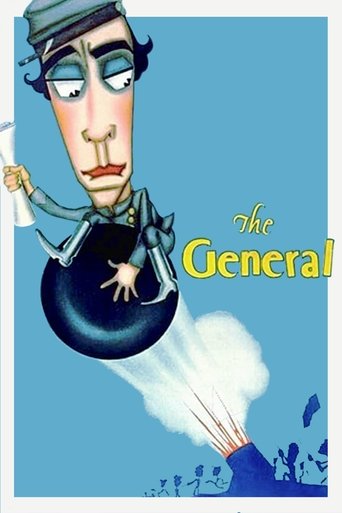
- The General (1926) - Buster Keaton's film shared similar stunt-based comedy approach
- Modern Times (1936) - Charlie Chaplin's film explored similar themes of urban struggle
This film influenced
- Back to the Future (1985) - features a scene with Christopher Lloyd hanging from a clock tower
- Hugo (2011) - Martin Scorsese's film pays homage to silent cinema including the clock scene
- Spider-Man (2002) - the building climbing sequences echo Harold Lloyd's stunt work
- The Artist (2011) - modern silent film influenced by classics like Safety Last!
- Mission: Impossible (1996) - Tom Cruise's building climbing scenes reference Lloyd's work
Film restoration
The film has been fully preserved and restored by various archives including the Library of Congress and the UCLA Film & Television Archive. Multiple high-quality versions exist, including a 4K restoration released by The Criterion Collection. The film was selected for preservation in the National Film Registry in 1994, recognizing its cultural, historical, and aesthetic significance. Original nitrate elements have been carefully preserved, and the film remains readily accessible to modern audiences through various home video and streaming platforms.
Where to watch
- The Criterion Collection (Blu-ray/DVD)
- HBO Max
- The Criterion Channel
- Amazon Prime Video
- YouTube (official uploads)
- Kanopy (with library card)
- Tubi
- Various public domain collections