Films
9 films
About Roy Brooks
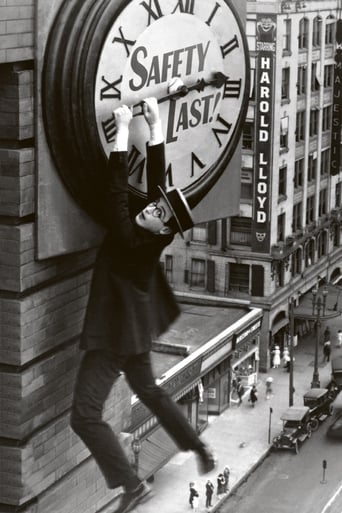
Character actor and supporting player during the silent film era, best known for his work in Harold Lloyd comedies. Roy appears in numerous shorts and features throughout the early 1920s, often playing various character roles that added depth and humor to Lloyd's productions. Brooks was part of Lloyd's regular ensemble of supporting actors who brought consistency and reliability to his films, working alongside other familiar faces like Noah Young and Mildred Davis. His film career was relatively brief but prolific during this period, with appearances in many of Lloyd's most celebrated films including the 'Safety Last!' (1923). Like many character actors of his generation, Brooks' film appearances diminished significantly after the silent era ended, as the industry transitioned to sound and new stars emerged. His contributions, while not widely documented, helped create the rich comedic worlds that made Harold Lloyd's films so beloved by audiences of the time.
The Craft
On Screen
As a supporting character actor in silent comedies, Brooks employed the exaggerated physical comedy and expressive facial gestures typical of the era. He likely specialized in creating distinct character types that could quickly establish themselves within the fast-paced comedic sequences of Lloyd's films. His style would have emphasized visual storytelling through body language and reactions, essential for silent film performers who couldn't rely on dialogue.
Milestones
- Regular supporting player in Harold Lloyd's comedy stock company
- Appeared in multiple Harold Lloyd shorts during his peak period (1920-1923)
- Contributed to the success of several classic silent comedies
- Part of the ensemble cast in 'Safety Last!' (1923),
Best Known For
Iconic Roles
Must-See Films
Working Relationships
Worked Often With
Studios
Why They Matter
Impact on Culture
Roy Brooks, while not a widely recognized name today, contributed to the golden age of silent comedy through his work in Harold Lloyd's films. As part of Lloyd's regular company of actors, he helped create the comedic worlds that entertained millions of moviegoers in the early 1920s. His performances, though in supporting roles, were essential components of films that have since become classics of cinema history. The ensemble work of actors like Brooks demonstrated the collaborative nature of silent comedy, where every performer contributed to the overall comic effect.
Lasting Legacy
Roy Brooks' legacy lies in his contributions to some of the most celebrated silent comedies ever made, particularly those of Harold Lloyd. While his name may not be familiar to modern audiences, his work lives on in the enduring popularity of films like 'Safety Last!' which continue to be studied and enjoyed by film enthusiasts and scholars. His career represents the countless supporting actors who were essential to the success of silent cinema but whose individual contributions have been largely forgotten by time.
Who They Inspired
As a supporting character actor, Roy Brooks' direct influence on other performers is difficult to trace, but his work as part of Harold Lloyd's company contributed to the development of American silent comedy style. The ensemble techniques and character archetypes he helped establish influenced later comedy filmmaking, even as individual performers like Brooks faded from historical memory.
Off Screen
Very little documented information exists about Roy Brooks' personal life, which is unfortunately common for supporting actors from the silent era who did not achieve star status. Like many character actors of his time, his life and career details were not extensively recorded in film history resources, making comprehensive biographical information difficult to locate.
Did You Know?
- Roy Brooks was part of Harold Lloyd's regular stock company of actors during the early 1920s
- He appeared in multiple Harold Lloyd films during what is considered Lloyd's peak creative period
- Like many silent film supporting actors, detailed biographical information about Brooks is scarce
- His filmography is primarily concentrated in a five-year span from 1920 to 1925
- Supporting actors like Brooks were crucial to the success of silent comedies, often playing multiple roles within a single film
- The lack of documented information about Brooks reflects how many character actors from the silent era have been lost to film history
Frequently Asked Questions
Who was Roy Brooks?
Supporting with credits in this catalog. He was part of Lloyd's regular ensemble of character actors who appeared in multiple films together.
What films is Roy Brooks best known for?
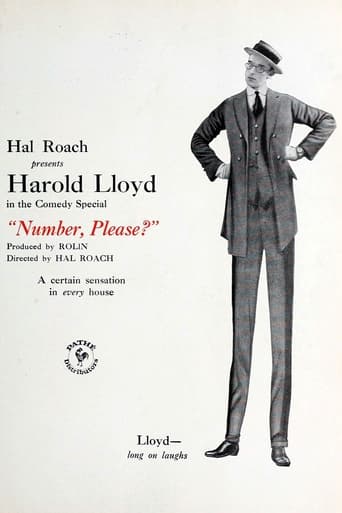
Titles linked here include Safety Last! (1923), Number, Please? (1920).
When was Roy Brooks born and when did he die?
Unfortunately, specific birth and death dates for Roy Brooks are not well-documented in available historical records, which is common for many supporting actors from the silent era who did not achieve star status.
What awards did Roy Brooks win?
There are no documented awards or nominations for Roy Brooks, which was typical for supporting character actors during the silent film era when major industry awards were just beginning to be established.
What was Roy Brooks' acting style?
As a silent film supporting actor, Brooks likely employed exaggerated physical comedy and expressive facial gestures typical of the era, specializing in creating distinct character types through visual storytelling rather than dialogue.