Number, Please?
"Lost love at the amusement park"
Keys: Space play/pause · ←/→ 10s · F fullscreen · M mute · </> speed
About this film
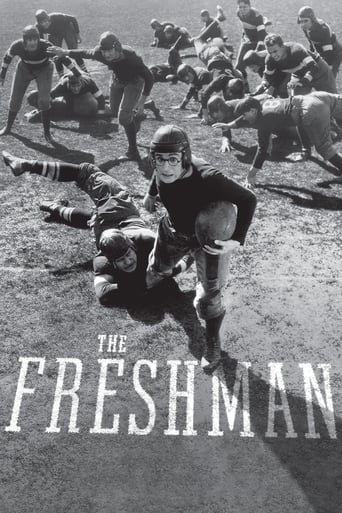
At an amusement park a heartbroken suitor watches his ex with a new boyfriend until her loose dog forces both men to help. A balloon ride ticket becomes the prize in Harold Lloyd's brisk romantic comedy.
Cast & crew
More films like this

More Comedy films
View all →






More from Hal Roach
View all →

More about this film
About the production
Release dateAugust 1, 1920
Box officeUnknown - short films were not individually tracked for box office in 1920
ProductionHal Roach Studios
Filmed inVenice Beach Amusement Park, Venice, California, Hal Roach Studios, Culver City, California
Filmed during the summer of 1920, this short was part of Harold Lloyd's successful series of comedy shorts that established his 'Glasses Character' persona. The amusement park setting was chosen for its visual variety and opportunities for physical comedy. The balloon sequences required careful planning and safety measures, as early aviation was still considered dangerous. The film was shot on location at Venice Beach, which was then a thriving amusement destination with roller coasters, rides, and attractions that provided a perfect backdrop for Lloyd's comedic antics.
Themes
Romantic competitionModern technology and progressCourtship and dating in the 1920sThe everyman heroLeisure and entertainment culture
Themes & topics
amusement parklove triangleballoon ridetelephonedogcompetitioncomedy of errorssilent comedyphysical comedyromantic comedy
Historical background
Released in 1920, Number, Please? belongs to the silent feature period and reflects production norms of its release season.
Why this film matters
Number, Please? contributes to understanding regional output and audience tastes around 1920.
Making of
The production of 'Number, Please?' took place during a pivotal period in Harold Lloyd's career when he was transitioning from his earlier 'Lonesome Luke' character to the more sophisticated 'Glasses Character' that would define his legacy. Director Hal Roach, who ran his own studio, gave Lloyd considerable creative freedom in developing his comedic persona. The amusement park location presented unique challenges for the production team, as they had to work around real park visitors and operating rides. The balloon sequences required special safety precautions, with the production team consulting with actual balloonists to ensure authenticity while maintaining safety for the cast and crew. Mildred Davis and Harold Lloyd developed a strong professional chemistry during filming, which eventually led to their real-life romance and marriage. The film's editing was particularly sophisticated for its time, utilizing rapid cuts and close-ups to enhance the comedic timing of the physical gags.
What critics said
Review records for Number, Please? are typical of 1920: brief for shorts, more sustained for features.
Did you know?
- This was one of the early films where Harold Lloyd established his signature 'Glasses Character' that would make him famous throughout the 1920s
- Mildred Davis, who plays the love interest, would later become Harold Lloyd's real-life wife in 1923
- The amusement park scenes were filmed at the actual Venice Beach amusement park, which was one of Southern California's most popular entertainment destinations in the early 1920s
- The balloon sequences were considered particularly daring for their time, as aviation was still in its infancy and perceived as dangerous
- Director Hal Roach was not only the director but also the head of the studio that produced the film, which would become especially successful comedy production companies of the silent era
- The film was released just as America was entering the Roaring Twenties, a period of economic prosperity and cultural change that made comedy films extremely popular
- The telephone gag in the title refers to the common practice of taking a number at busy telephone exchanges in the early 20th century
- This short was part of a series of films that helped establish Harold Lloyd as the third major comedy star of the silent era, alongside Charlie Chaplin and Buster Keaton
- The dog in the film was played by a trained animal actor, as was common practice in silent comedies where animals often played important roles
- The film's preservation status is considered good, with copies held in major film archives including the Library of Congress
Visual style
The cinematography in 'Number, Please?' features the sophisticated visual techniques being developed in silent comedy. Chief cinematographer Walter Lundin employed dynamic camera movements and varied shot sizes to enhance the comedic timing of the physical gags. The amusement park setting allowed for creative use of depth and space, with characters moving through complex environments that required careful blocking and camera placement. The balloon sequences presented unique technical challenges, requiring the camera to capture aerial perspectives while maintaining clarity and focus on the performers. The film utilizes the popular 'comedy close-up' technique that Lloyd helped pioneer, using facial expressions to punctuate physical gags. The cinematography also takes advantage of natural lighting in the outdoor amusement park setting, creating a bright, cheerful atmosphere that complemented the film's comedic tone. The visual style balances wide shots that establish the chaotic environment with medium shots that highlight the performers' physical comedy, creating a rhythm that guides the audience's attention through the complex action sequences.
Innovations
While 'Number, Please?' was not groundbreaking in terms of technical innovation, it demonstrated the sophisticated filmmaking techniques being refined at Hal Roach Studios. The film's effective use of location shooting at a functioning amusement park required careful planning and coordination with park management. The balloon sequences presented particular technical challenges, as the production team had to safely film actors in and around early 20th-century balloon equipment. The editing style employed rapid cuts and precise timing to enhance the physical comedy, techniques that were becoming increasingly sophisticated in 1920. The film also features the effective use of perspective and depth in the frame, creating visual interest in the crowded amusement park setting. The preservation of the film demonstrates the relatively good quality of film stock being used by major studios in 1920, allowing for modern restoration efforts. The production's ability to combine location shooting with studio work seamlessly represents the growing technical capabilities of American film production during this period.
Music
As a silent film, 'Number, Please?' was originally presented with live musical accompaniment that varied by theater. Larger venues typically employed full orchestras while smaller theaters used pianists or organists. The musical score would have been compiled from popular pieces of the era, classical selections, and specially composed cue sheets that indicated appropriate music for different scenes. The amusement park sequences likely featured lively, upbeat music such as ragtime or early jazz pieces, while romantic moments would have been accompanied by sentimental ballads. The balloon scenes probably called for dramatic, soaring music to enhance the sense of height and adventure. Modern restorations of the film have featured newly composed scores by silent film specialists who attempt to recreate the musical experience of 1920 audiences. The absence of dialogue made the musical accompaniment crucial for conveying mood and enhancing the emotional impact of the visual comedy, with the music often working in counterpoint to the on-screen action for comedic effect.
Famous quotes
(Title card) 'Number, Please?' - The telephone exchange's endless wait
(Title card) 'A girl, a dog, and two rivals - what could possibly go wrong?'
(Title card) 'The race is on - first to mother wins the prize!'
Memorable scenes
- The chaotic dog chase through the crowded amusement park rides
- The telephone exchange scene where Harold desperately tries to get connected
- The climactic balloon sequence with both suitors racing for the prize
- Harold's various failed attempts to impress the girl at different park attractions
What audiences thought
Audiences in 1920 enthusiastically received 'Number, Please?' as part of Harold Lloyd's growing popularity. The film played well in theaters across America, contributing to Lloyd's status as one of the top box office draws of the silent era. Contemporary audience reports indicated strong laughter and applause during screenings, particularly for the physical comedy sequences and the climactic balloon race. The amusement park setting resonated with viewers who were familiar with similar recreational venues, making the comedy more relatable and immediate. The romantic competition storyline appealed to young audiences who were experiencing similar social dynamics in the changing dating culture of the 1920s. The film's success helped solidify Lloyd's fan base and demonstrated the commercial viability of his 'Glasses Character.' Modern audiences viewing the film at revival screenings and in silent film festivals continue to appreciate its timeless humor and historical significance as an example of classic American comedy.
Film connections
Influenced by
- Earlier Harold Lloyd comedy shorts
- Mack Sennett comedy style
- Chaplin's romantic comedy elements
- Keaton's physical comedy techniques
- American vaudeville tradition
This film influenced
- Later Harold Lloyd features such as 'Safety Last!' (1923)
- Other Hal Roach Studios comedy productions
- Romantic comedy shorts of the 1920s
- Comedies featuring amusement park settings
Film restoration
The film is preserved in good condition with copies held at major film archives including the Library of Congress, the UCLA Film & Television Archive, and the Museum of Modern Art. The film has been restored and is available on DVD collections of Harold Lloyd's work.
Where to watch
- The Harold Lloyd Comedy Collection DVD set
- Streaming services specializing in classic films
- Silent film festivals and revival screenings
- Film archive screenings
- Educational institutions with film studies programs