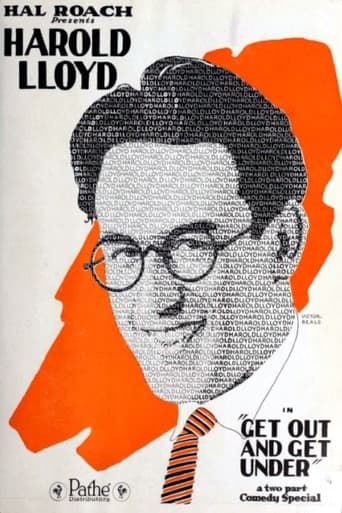
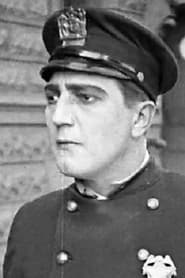
Charles Stevenson
Actor
Born: October 13, 1887 in Sacramento, California, United States Died: July 4, 1943 Active: 1917-1924 Birth Name: Charles Edgar Stevenson
Films
21 films
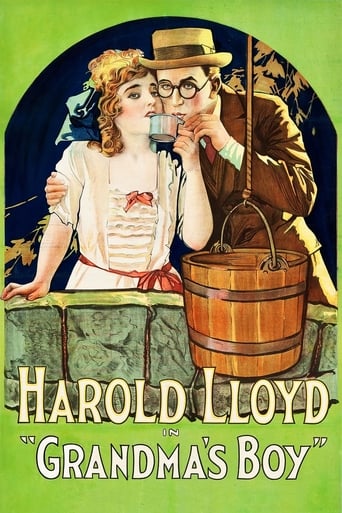
Grandma's Boy
1922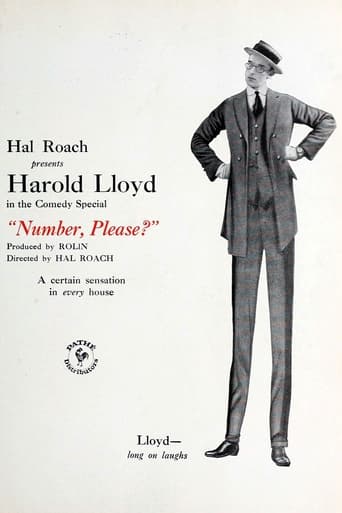
Number, Please?
1920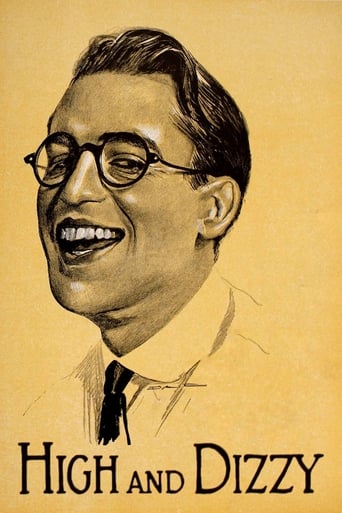
High and Dizzy
1920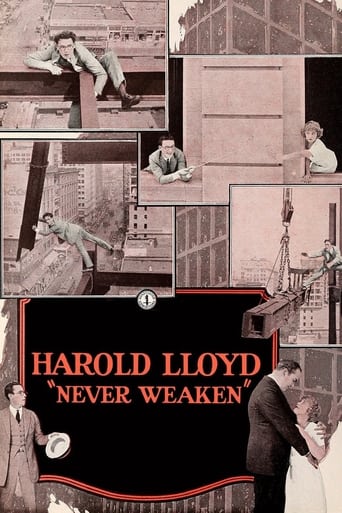
Never Weaken
1921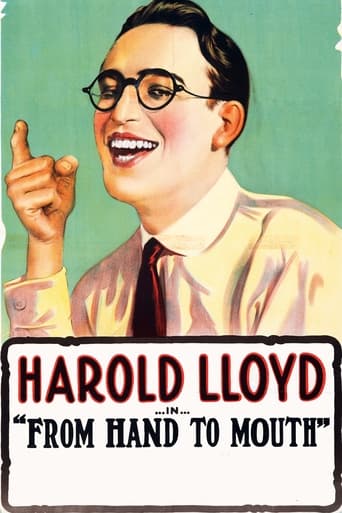
From Hand to Mouth
1919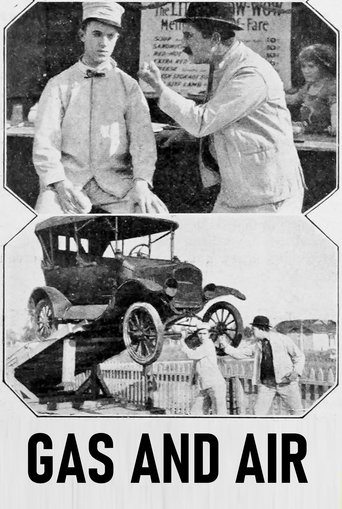
Gas and Air
1923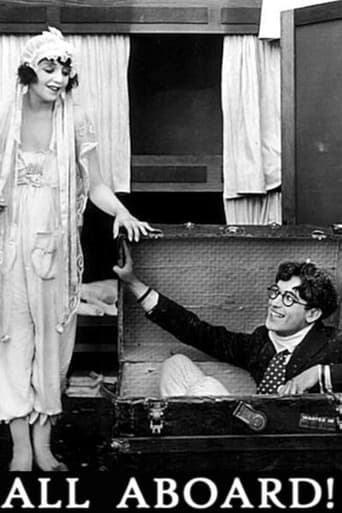
All Aboard
1917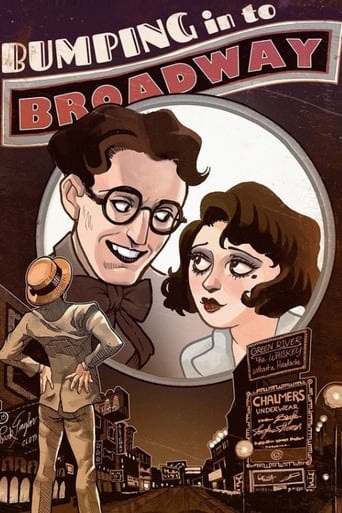
Bumping Into Broadway
1919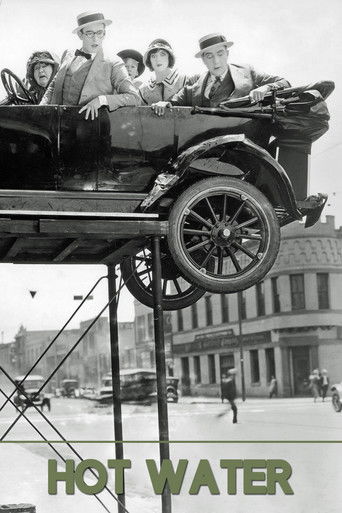
Hot Water
1924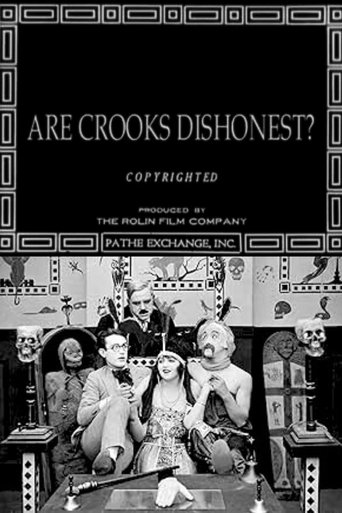
Are Crooks Dishonest?
1918
The Whole Truth
1923
A Modern Musketeer
1917
Two-Gun Gussie
1918
The Primitive Lover
1922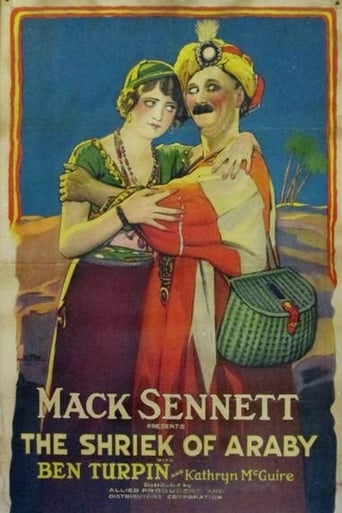
The Shriek of Araby
1923
Run 'Em Ragged
1920
A Man About Town
1923
Now or Never
1921
That's Him
1918
Scorching Sands
1923About Charles Stevenson
American character actor who flourished during the silent film era, particularly known for his work in comedy shorts throughout the late 1910s and early 1920s. He began his film career in 1917 and quickly became a reliable supporting player in numerous productions, often appearing alongside major comedy stars of the period. Stevenson's filmography demonstrates his versatility, as he portrayed various character types from authority figures to comic foils in dozens of films between 1917 and 1924. He worked frequently with prominent studios and production companies, contributing significantly to the golden age of silent comedy through his consistent and dependable performances. Though never achieving leading man status, Stevenson became a familiar face to silent film audiences through his work in popular comedy series and shorts. His career coincided with the peak of silent film production, and he adapted to the changing landscape of early cinema until his retirement from acting in 1924.
The Craft
On Screen
Stevenson specialized in supporting character roles, often playing authority figures, businessmen, or comic foils to the main stars. His acting style was typical of the silent era, emphasizing expressive physical comedy and clear pantomime techniques that could convey emotion and humor without dialogue. He had a knack for timing and reaction shots, making him an valuable ensemble player in comedy productions.
Milestones
- Film debut in 'All Aboard' (1917)
- Frequent appearances in Harold Lloyd comedies
- Worked with major comedy studios of the silent era
- Appeared in over 50 films during his career
- Transitioned successfully from shorts to feature films
Best Known For
Iconic Roles
Must-See Films
Working Relationships
Worked Often With
Studios
Why They Matter
Impact on Culture
Charles Stevenson contributed to the golden age of silent comedy through his consistent work as a supporting character actor. While never achieving star status himself, his performances helped create the rich comic environments that made silent comedies successful. He was part of the ensemble tradition that defined early Hollywood comedy, where reliable character actors were essential to the success of comedy stars. His work represents the importance of supporting players in creating memorable silent film moments.
Lasting Legacy
Stevenson's legacy lies in his contribution to silent comedy as a dependable character actor who enhanced the work of comedy stars. His filmography serves as a valuable record of the ensemble nature of silent film production and the importance of supporting players in creating successful comedies. While his name may not be widely recognized today, his work survives in the classic silent comedies that continue to be studied and appreciated by film historians and enthusiasts.
Who They Inspired
As a supporting actor, Stevenson influenced the development of ensemble comedy in silent films. His reliable performances helped establish patterns for character actors in comedy productions, demonstrating how supporting players could enhance the effectiveness of comedy stars without overshadowing them. His work contributed to the evolution of silent comedy techniques and ensemble performance styles.
Off Screen
Charles Stevenson was born in Sacramento, California, and began his career in entertainment before transitioning to films. He married and had children, though details about his family life remain relatively private compared to his on-screen work. After retiring from acting in 1924, he lived a relatively quiet life away from the Hollywood spotlight. He passed away in 1943 at the age of 55.
Education
Unknown
Family
- Unknown
Did You Know?
- Appeared in over 50 films during his 7-year career
- Worked frequently with Harold Lloyd, one of the biggest comedy stars of the silent era
- Often played authority figures or businessmen in comedy shorts
- Retired from acting just as the transition to sound films was beginning
- His active years covered the peak years of silent comedy production
- Born in Sacramento but made his career in Hollywood
- Was part of the large pool of character actors essential to silent film production
- His last known film appearance was in 1924
- Contributed to the development of comedy ensemble acting techniques
In Their Own Words
No documented famous quotes from Charles Stevenson are available from historical records
Frequently Asked Questions
Who was Charles Stevenson?
American character with credits in this catalog. He appeared in over 50 films, often in supporting roles alongside major comedy stars like Harold Lloyd.
What films is Charles Stevenson best known for?
Titles linked here include From Hand to Mouth (1919), A Modern Musketeer (1917).
When was Charles Stevenson born and when did he die?
Born October 13, 1887; died July 4, 1943.
What awards did Charles Stevenson win?
Charles Stevenson did not receive any major awards or nominations during his career, as was common for supporting character actors in the silent film era.
What was Charles Stevenson's acting style?
Stevenson specialized in supporting character roles, using expressive physical comedy and pantomime techniques typical of the silent era. He was known for his reliability as an ensemble player and his ability to play various character types effectively.
Why did Charles Stevenson retire from acting?
Stevenson retired from acting in 1924, just as the film industry was beginning the transition to sound pictures. Many silent era actors found the transition challenging, and some chose to retire rather than adapt to the new medium.