
The Whole Truth
"A courtroom studies a wife’s tears"
Keys: Space play/pause · ←/→ 10s · F fullscreen · M mute · </> speed
About this film
A prosecutor instructs the audience of a courtroom to observe the tearful and slightly hysterical wife (Helen Gilmore) who is sitting in the witness box, and claims she is this way due to her husband, who shows up very infrequently. For the defence (James Finlayson), he never di
Cast & crew
More films like this
More Comedy films
View all →







More from Ralph Ceder
View all →

More about this film
About the production
Release dateDecember 9, 1923
Box officeUnknown
ProductionHal Roach Studios
Filmed inLos Angeles, California
This film was produced during Stan Laurel's early solo period at Hal Roach Studios, before his iconic partnership with Oliver Hardy was established. The film was shot on a modest budget typical of comedy shorts of the era, utilizing simple courtroom sets. The production team made use of practical effects for the mistaken drink sequence, likely using colored water or another harmless substance to create the visual gag.
Themes
Justice system satireMarital discordMistaken identityCourtroom drama parodyDomestic comedy
Themes & topics
courtroommistaken drinkhusband and wifeprosecutordefense attorneywitnesscomedy of errorssilent comedy
Historical background
The Whole Truth appeared in 1923, when the late silent period and the transition to sound shaped how movies were financed, distributed, and discussed. Audiences of the day encountered the work amid shifting tastes in acting, pacing, and spectacle. Its focus on a prosecutor instructs the audience of a courtroom to observe the tearful and slightly hysterical wife (helen gilmore) who is sitting in the witness box, and claims she is this way due to her husband, who shows up very infrequently mirrors themes circulating in popular culture of that moment.
Why this film matters
The Whole Truth (1923) belongs to the wider archive of world cinema, documenting a prosecutor instructs the audience of a courtroom. Archivists and historians value such titles for what they reveal about craft, genre, and audience expectations. Restorations and festival screenings keep the work visible to viewers far beyond its first run.
Making of
The production of 'The Whole Truth' took place during a formative period in comedy cinema at Hal Roach Studios. Stan Laurel was still developing his comic persona and had not yet created the character that would make him world-famous. The film was shot quickly on existing courtroom sets that the studio maintained for frequent use in various productions. Director Ralph Ceder, who had a keen eye for physical comedy, worked closely with the actors to perfect the timing of the gags, particularly the pivotal mistaken drink sequence. The cast rehearsed the physical comedy extensively, as silent films relied heavily on visual storytelling and precise timing. The film's simple premise allowed for improvisation within the structured courtroom setting, a technique Hal Roach encouraged to capture authentic comedic moments.
What critics said
Press coverage from 1923 is fragmentary for many titles of this vintage; surviving notices for The Whole Truth tend to stress novelty, star power, or topical appeal. Later writing places the picture within its national and generic context, weighing both period conventions and moments that still land for modern viewers. Streaming and disc releases have revived discussion among classic-film audiences.
Did you know?
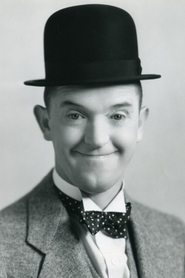
- This was one of Stan Laurel's early solo shorts before his partnership with Oliver Hardy began in 1927
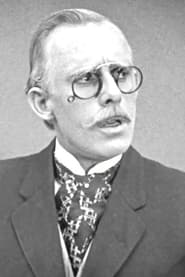
- James Finlayson would later become a regular antagonist in Laurel and Hardy films, famous for his exasperated expressions and catchphrase 'D'oh!'
- The film was released during the peak of silent comedy production, when shorts were the standard format for comedy films
- Director Ralph Ceder was a prolific director of comedy shorts during the 1920s, working frequently with Hal Roach Studios
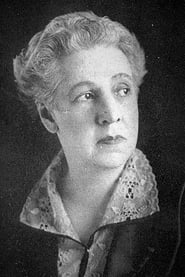
- Helen Gilmore was a character actress who appeared in over 200 films between 1915 and 1940, often playing mothers or elderly women
- The mistaken drink gag became a recurring trope in silent comedy, used by many comedians of the era
- The film was shot in just a few days, typical of the rapid production schedule for comedy shorts of this period
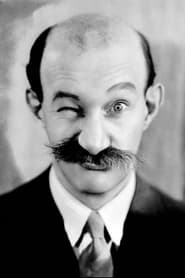
- Earl Mohan, another cast member, was a frequent collaborator with Laurel in his early solo work
- The courtroom setting was a popular backdrop for comedy shorts, allowing for structured chaos and visual gags
- This film is now considered part of the important transitional period in American comedy cinema
Visual style
The cinematography in 'The Whole Truth' was typical of comedy shorts of the era, utilizing static camera positions for most scenes to clearly capture the physical comedy and facial expressions of the actors. The camera work was functional rather than artistic, focusing on ensuring the gags were visible and well-framed. The courtroom setting allowed for simple, effective staging with the camera positioned to capture both the witness stand and the defendant's reactions. Lighting was flat and even, standard for comedy productions of the time, ensuring all expressions were clearly visible. The film likely used standard 35mm film stock common to Hal Roach productions of this period.
Innovations
While 'The Whole Truth' was not groundbreaking in its technical aspects, it demonstrated solid filmmaking craft typical of quality Hal Roach productions. The film made effective use of continuity editing to maintain the comedic timing across shots. The practical effects for the mistaken drink sequence, while simple, were executed effectively to create the desired comic impact. The film's pacing was well-controlled, building tension and releasing it at appropriate comedic moments. The use of intertitles was minimal and effective, allowing the visual comedy to carry most of the storytelling. The film represents the refinement of comedy film techniques that had been developing throughout the 1910s and early 1920s.
Music
As a silent film, 'The Whole Truth' would have been accompanied by live musical performance during its original theatrical run. The typical score would have included popular songs of the era, classical pieces, and specially composed cues to match the on-screen action. The courtroom scenes might have been accompanied by dramatic or suspenseful music, while the comedic moments would have featured lighter, more playful melodies. The mistaken drink sequence would likely have been scored with frantic, comedic music to enhance the humor. No original score survives, as was common with silent films, though modern screenings often use appropriate period music or newly composed scores.
Famous quotes
Prosecutor: Observe the witness, ladies and gentlemen of the jury - a woman driven to tears by her husband's neglect!
Defense Attorney: My client has never done anything to be proud of - and he's proud of it!
Memorable scenes
- The pivotal mistaken drink sequence where James Finlayson's character accidentally consumes the wrong liquid in court, leading to chaotic reactions and courtroom pandemonium
What audiences thought
Audiences in 1923 responded positively to 'The Whole Truth,' as it contained the elements they expected from successful comedy shorts of the era: relatable situations, physical comedy, and a satisfying comedic resolution. The film played well in theaters as part of comedy programs, often paired with feature films or other shorts. Modern audiences who have seen the film, primarily through silent film festivals and archives, generally appreciate it as a charming example of early 1920s comedy, though it lacks the sophistication of later Laurel and Hardy works. The film's straightforward humor and visual gags remain accessible to contemporary viewers, making it a popular selection for silent comedy retrospectives.
Film connections
Influenced by
- Mack Sennett comedies
- Charlie Chaplin's early shorts
- Harold Lloyd's comedy style
This film influenced
- Later Laurel and Hardy courtroom comedies
- Marx Brothers' legal comedies
- Three Stooges courtroom shorts
Film restoration
The film is believed to be preserved in various film archives, including the Library of Congress and the UCLA Film & Television Archive. While not as widely circulated as some Laurel and Hardy films, prints exist in 16mm and 35mm formats. Some restoration work may have been done as part of broader silent film preservation efforts, but the film has not received a major standalone restoration project.
Where to watch
- The film is occasionally shown at silent film festivals and special screenings
- Available through some specialized film archives and libraries
- May be found in collections of early Stan Laurel works released by specialty DVD/Blu-ray companies
- Potentially accessible through online archives specializing in public domain silent films