Ralph Ceder
Director
Born: June 26, 1898 in Minnesota, United States Died: November 29, 1951 Active: 1923-1924
Films
5 films



About Ralph Ceder
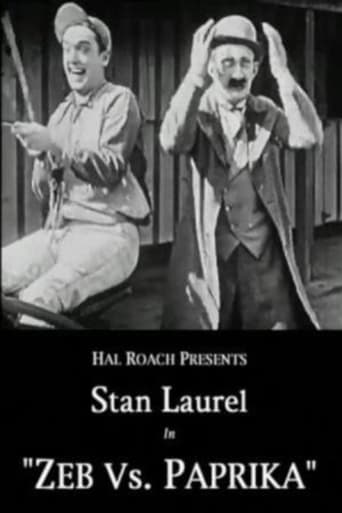
American film director who worked during the silent era of Hollywood, primarily active in the early 1920s. He began his directorial career with short comedies and two-reelers, working within the bustling studio system that was rapidly expanding during this period. Ceder directed several comedy shorts for various production companies, including the notable films 'The Whole Truth' (1923), 'Zeb vs. Paprika' (1924), and 'Brothers Under the Chin' (1924). His work was typical of the rapid-fire production schedule of the era, where directors were expected to turn out multiple shorts per year. While his directorial career was brief, spanning only about 1923-1924, he contributed to the silent comedy that helped establish Hollywood's dominance in global cinema. After his brief stint as a director, Ceder seemingly disappeared from the film industry, making him one of the many forgotten figures from cinema's formative years.
The Craft
Behind the Camera
Ceder's directing style was typical of silent comedy directors of the early 1920s, focusing on visual gags, slapstick humor, and rapid pacing. His films were two-reel comedies designed to provide quick entertainment to theater audiences, emphasizing physical comedy and situational humor over character development or narrative depth.
Milestones
- Directed 'The Whole Truth' (1923)
- Directed 'Zeb vs. Paprika' (1924)
- Directed 'Brothers Under the Chin' (1924)
- Worked during the peak of silent comedy era
Best Known For
Must-See Films
Working Relationships
Studios
Why They Matter
Impact on Culture
Ralph Ceder's cultural impact was minimal due to his brief career and the obscure nature of his work. Like many directors of silent comedy shorts, he contributed to the development of cinematic comedy as an art form, even if his individual films have been largely forgotten. His work represents the vast output of content that filled theater programs during the silent era, providing entertainment to audiences hungry for new films.
Lasting Legacy
Ralph Ceder's legacy is primarily that of a representative example of the many directors who worked during Hollywood's formative years but whose names have been lost to time. His films serve as historical artifacts of the silent comedy era, showcasing the types of humor and storytelling techniques that were popular in the early 1920s. While not remembered as an innovator or major talent, his work contributes to our understanding of the breadth of filmmaking during cinema's early decades.
Who They Inspired
There is no documented evidence that Ralph Ceder directly influenced other filmmakers, given his brief career and the obscurity of his work. However, like all directors of the period, he was part of the collective development of cinematic language and comedy techniques that would influence generations of filmmakers to come.
Off Screen
Very little is documented about Ralph Ceder's personal life, which was not uncommon for behind-the-scenes figures of the silent era who were not major stars. He was born in Minnesota in 1898 and died in 1951 at the age of 53. After his brief film career, he appears to have left the entertainment industry entirely, living a private life away from Hollywood.
Did You Know?
- Ralph Ceder's entire known directorial active years covered only two years (1923-1924)
- All three of his known films were comedy shorts
- His films were produced during the peak of the silent comedy boom
- Like many early directors, his work has been largely lost to time
- He represents the thousands of behind-the-scenes workers who helped build Hollywood
- His birth and death dates suggest he lived a relatively short life (53 years)
- No records indicate he transitioned to sound films
- His films are considered extremely rare today
- He worked during the same period as comedy legends like Chaplin and Keaton
- His disappearance from film records after 1924 remains unexplained
Frequently Asked Questions
Who was Ralph Ceder?
American on YTB.my. He is known for three films: 'The Whole Truth' (1923), 'Zeb vs. Paprika' (1924), and 'Brothers Under the Chin' (1924).
What films is Ralph Ceder best known for?
Titles linked here include The Whole Truth (1923), Zeb vs. Paprika (1924).
When was Ralph Ceder born and when did he die?
Born June 26, 1898; died November 29, 1951.
What awards did Ralph Ceder win?
There are no records of Ralph Ceder receiving any major awards or nominations during his brief film career, which was not uncommon for directors of short films during the silent era.
What was Ralph Ceder's directing style?
Ceder's directing style was typical of silent comedy directors of the early 1920s, focusing on visual gags, slapstick humor, and rapid pacing in two-reel comedy shorts designed for theater entertainment.