

Brothers Under the Chin
"Twin and left"
Keys: Space play/pause · ←/→ 10s · F fullscreen · M mute · </> speed
About this film
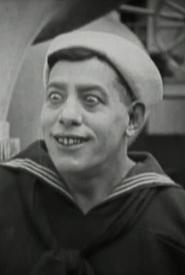
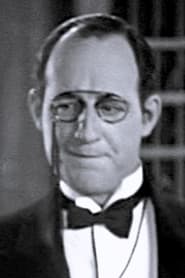
Twin "babies" left at an orphanage bear the same birthmark under the chin. One of them is adopted and then the scene shifts to "twenty years later." The other as captain of a sailing vessel needs an extra hand. It does not develop until the end that the well dressed man he has abducted is his own brother.
Cast & crew
More films like this

More Comedy films
View all →







More from Ralph Ceder
View all →
More about this film
About the production
Release dateJune 15, 1924
ProductionHal Roach Studios
Filmed inLos Angeles, California
This film was produced during Stan Laurel's solo period before his partnership with Oliver Hardy. The production utilized the typical two-reel format popular for comedy shorts of the era. The film was shot on the Hal Roach studio lot with some location shooting in the Los Angeles harbor area for the sailing sequences. The twin effect was achieved through simple editing techniques and body doubles, as sophisticated split-screen technology was not yet available.
Themes
Themes & topics
Historical background
Brothers Under the Chin (1924) emerged during late silent cinema and the transition toward sound, when exhibition habits and national film industries were still taking shape.
Why this film matters
Brothers Under the Chin remains accessible through digital archives, giving modern viewers a direct link to 1924 screen culture.
Making of
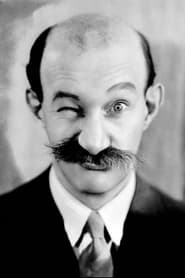
The production of 'Brothers Under the Chin' took place during a transformative period in comedy cinema. Director Ralph Ceder was a prolific director for Hal Roach Studios, known for his efficient work with comedy talent. The film was shot in approximately three days, typical for two-reel shorts of the era. Stan Laurel, already an experienced comedian from his vaudeville days, brought his physical comedy skills to the role. The sailing sequences presented particular challenges, as the cast and crew had to work around actual maritime conditions. The film's special effects were limited to basic editing tricks for the twin scenes, requiring precise timing and performance from the actors. James Finlayson's distinctive facial expressions and mustache were already becoming his trademark, though he had not yet developed the explosive temper he'd later display in Laurel and Hardy films.
What critics said
Where contemporary reviews survive, Brothers Under the Chin is discussed in terms of audience appeal at release; later criticism often reframes it through archive restoration and festival programming.
Did you know?
- This film represents one of Stan Laurel's early solo works before he teamed up with Oliver Hardy in 1927
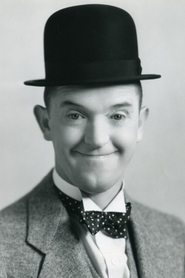
- James Finlayson, who appears in this film, would later become a regular antagonist in Laurel and Hardy comedies
- The birthmark under the chin was a common visual device in silent films to identify twins or look-alikes without dialogue
- The film's title 'Brothers Under the Chin' refers both to the birthmark and the brotherly relationship
- Hal Roach Studios was known as 'The Lot of Fun' and produced many classic comedy shorts during this era
- The sailing ship scenes were filmed using actual vessels in the Los Angeles harbor
- This film is considered part of the 'Stan Laurel Series' of shorts produced by Hal Roach
- The twin baby role was played by actual twins, though their identities are not recorded in studio records
- The film's survival status makes it a rare example of Laurel's early solo work
- The abducting brother character was one of Laurel's first 'rougher' roles before developing his more famous timid persona
Visual style
The cinematography was handled by the Hal Roach Studios camera department, though specific cinematographer credit is not recorded. The film employs standard silent era techniques including static shots, basic tracking shots, and intertitles for dialogue and exposition. The sailing sequences feature more dynamic camera work to capture the movement of the ship and the physical comedy on deck. The lighting follows the naturalistic approach common in outdoor scenes of the period, while interior scenes use the dramatic lighting typical of studio productions. The film makes effective use of the California coastline and harbor locations, providing visual variety beyond typical studio-bound comedies. The cinematography serves the comedy by ensuring clear visibility of physical gags and facial expressions, crucial for silent film storytelling.
Innovations
The film utilized standard technical practices of 1924 Hollywood production. The twin effect was achieved through careful editing and the use of look-alike actors rather than sophisticated optical effects. The production employed the typical 35mm film format of the era, likely shot at approximately 16 frames per second. The sailing sequences required coordination between the film crew and actual maritime operations, presenting logistical challenges. The film's preservation in archives demonstrates the relative quality of the original film stock used. While not technically innovative compared to some contemporaneous films experimenting with new techniques, 'Brothers Under the Chin' represents solid craftsmanship typical of Hal Roach Productions' efficient and reliable approach to comedy filmmaking.
Music
As a silent film, 'Brothers Under the Chin' had no synchronized soundtrack. Theatrical presentations would have been accompanied by live music, typically a piano or organ in smaller theaters and a small orchestra in larger venues. The musical accompaniment would have followed the standard practices of the era, with upbeat, playful music during comedy sequences and more sentimental themes for emotional moments. Some theaters may have used cue sheets provided by the distributor, suggesting appropriate musical pieces for different scenes. The film's nautical setting would have inspired the use of sea shanties and maritime-themed musical selections during the sailing sequences. No original composed score exists for this film, as was common for short comedies of the period.
Famous quotes
(Intertitle) 'Twenty years later...' / (Intertitle) 'A brother's love knows no class distinction' / (Intertitle) 'The mark that proves their bond'
Memorable scenes
- The opening sequence with twin babies at the orphanage, the birthmark reveal scene, the captain's frantic search for crew members, the abduction of the well-dressed man, the final reunion and birthmark revelation
What audiences thought
Audiences in 1924 responded positively to 'Brothers Under the Chin,' as it delivered the expected comedy entertainment value of a Hal Roach production. The film's mistaken identity premise and physical gags were well-received by theatergoers of the era. The nautical setting added visual interest beyond typical domestic comedy settings. While specific box office records are not available, the film was considered successful enough to warrant wide distribution through the Pathé Exchange. Modern audiences who have seen the film through archival screenings or home video releases generally appreciate it as a historical curiosity and an example of early Laurel work, though it doesn't generate the same laughter as his later classics.
Film connections
Influenced by
- Vaudeville comedy traditions
- Mack Sennett comedy style
- Charles Chaplin's sentimental comedy approach
This film influenced
- Later Laurel and Hardy twin comedies
- Mistaken identity shorts of the late 1920s
Film restoration
The film is preserved in film archives, though complete prints are rare. It exists in 16mm and 35mm formats in various film archives including the Library of Congress and the Museum of Modern Art. Some versions may be incomplete or show signs of deterioration typical of films from this era. The film has been included in some home video collections of early Stan Laurel works, though it remains less accessible than Laurel and Hardy's later films.
Where to watch
- Available on some DVD collections of early Stan Laurel films
- Occasionally screened at silent film festivals and archival theaters
- May be accessible through film archive viewing programs
- Some versions available on public domain streaming sites