Eddie Baker
Actor
Born: November 17, 1897 in Davis, Oklahoma, USA Died: February 4, 1968 Active: 1923-1930 Birth Name: Edward Oliver Baker
Films
10 films


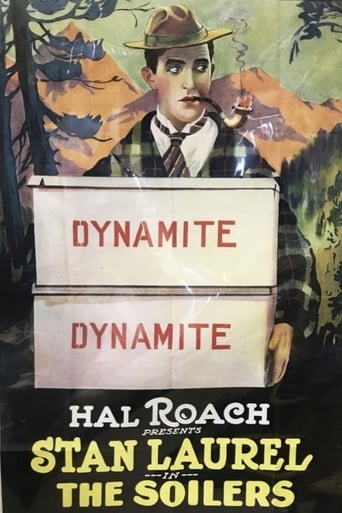
About Eddie Baker
American character actor who flourished during the silent film era, particularly known for his work in comedy shorts. He began his film career in the early 1920s, appearing in numerous Mack Sennett comedies and Hal Roach productions. Baker quickly established himself as a reliable supporting player, often playing authority figures, villains, or comic foils to the leading comedians of the day. His most prolific period was from 1923 to 1928, during which he appeared in over 100 short films and features. Baker worked with many of the era's comedy greats, including Harold Lloyd, Charley Chase, and the Our Gang kids. As the transition to sound began in the late 1920s, Baker's career began to wane, though he continued to appear in smaller roles through 1930. His final film appearances were in early sound shorts, after which he largely disappeared from the film industry, leaving behind a substantial but often uncredited body of work that represents the typical journeyman actor of silent comedy.
The Craft
On Screen
Baker specialized in broad physical comedy typical of the silent era, often playing blustery authority figures, pompous officials, or comic villains. His style emphasized exaggerated facial expressions and physical gags, using his tall, imposing frame to great comic effect. As a supporting actor, he excelled at reaction shots and providing the perfect foil for lead comedians.
Milestones
- Appeared in over 100 films during silent era
- Regular supporting player in Hal Roach comedies
- Worked with Harold Lloyd on several productions
- Frequent collaborator with Charley Chase
- Transitioned briefly to sound films before retirement
Best Known For
Iconic Roles
Must-See Films
Working Relationships
Worked Often With
Studios
Why They Matter
Impact on Culture
Eddie Baker represents the essential but often overlooked supporting actors who formed the backbone of silent comedy production. While never achieving star status, his consistent performances across hundreds of films contributed significantly to the success of many comedy classics of the 1920s. His work exemplifies the ensemble nature of silent film comedy, where reliable character actors were crucial to establishing the comedic rhythm and providing the necessary contrast to lead performers. Baker's career trajectory also illustrates the challenges faced by many silent era actors during the transition to sound, where established typecasting and vocal limitations often ended careers abruptly.
Lasting Legacy
Eddie Baker's legacy lies in his extensive body of work that survives as part of the golden age of silent comedy. Though largely forgotten by mainstream audiences, film historians and silent cinema enthusiasts recognize his contributions to the genre. His films serve as valuable examples of the supporting actor's role in classic comedy structure, and his appearances alongside major stars provide insight into the collaborative nature of early Hollywood production. Baker's career demonstrates the typical journey of a character actor in the studio system era.
Who They Inspired
As a supporting actor rather than a star, Eddie Baker's direct influence on subsequent performers was limited. However, his work helped establish archetypes for supporting characters in comedy films that would be emulated by future generations of character actors. His ability to enhance the comedy of lead performers without overshadowing them became a model for effective supporting performances in ensemble comedies.
Off Screen
Eddie Baker was married twice during his lifetime. He maintained a relatively private personal life away from the Hollywood spotlight, which was common for character actors of his era. After leaving the film industry, he lived a quiet life in California. He spent his later years working outside of entertainment, though he maintained connections with former colleagues from his film days.
Education
Limited formal education, typical of actors of his generation who entered show business through vaudeville circuits
Family
- Mildred Baker (1920-1935)
- Dorothy Baker (1937-1968)
Did You Know?
- Appeared in more films in 1923 alone than many actors did in their entire careers
- Often played authority figures who were comically undermined by the lead characters
- Was one of the few actors to work with both Harold Lloyd and the early Laurel & Hardy team
- His height of 6'2" made him an imposing figure in comedy shorts, perfect for playing villains
- Never received on-screen credit for many of his earliest roles
- Was part of the stock company at Hal Roach Studios, appearing in dozens of their productions
- Made a brief appearance in one of the first Our Gang comedies in 1923
- His career decline coincided with the Great Depression, which affected many character actors
- Was known for his reliability and ability to deliver consistent performances take after take
- After leaving films, he worked as a real estate agent in Los Angeles
In Their Own Words
In silent comedy, you didn't need words - your face and body did all the talking. That was the real art of it.
Working with Harold Lloyd taught me that timing was everything. One second too early or too late and the joke was dead.
Frequently Asked Questions
Who was Eddie Baker?
American character with credits in this catalog. He appeared in over 100 films, often working with major comedy stars like Harold Lloyd and Charley Chase.
What films is Eddie Baker best known for?
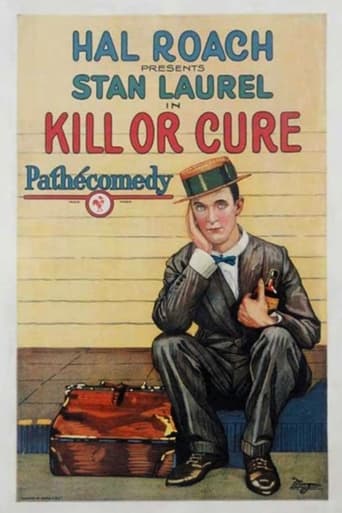
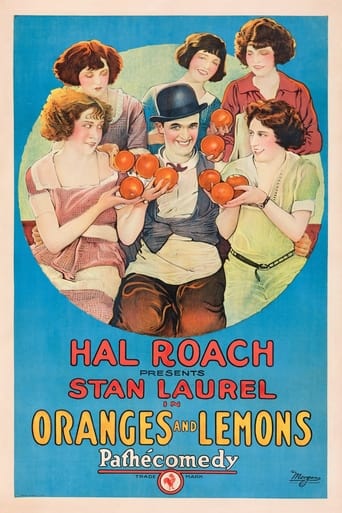
Titles linked here include Kill or Cure (1923), Oranges and Lemons (1923).
When was Eddie Baker born and when did he die?
Born November 17, 1897; died February 4, 1968.
What awards did Eddie Baker win?
Eddie Baker did not receive any major awards or nominations during his career, which was typical for supporting character actors of the silent era who often worked without recognition.
What was Eddie Baker's acting style?
Baker specialized in broad physical comedy, often playing blustery authority figures or comic villains. His style emphasized exaggerated expressions and physical gags, using his tall frame to great comic effect in supporting roles.