


Oranges and Lemons
"Citrus packing, comic hiding"
Keys: Space play/pause · ←/→ 10s · F fullscreen · M mute · </> speed
About this film
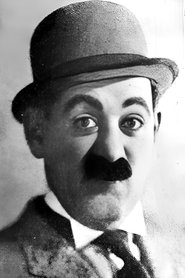
Orange packer Stan quarrels with his boss and co-workers, hiding inside a packing house among women sealing fruit crates. Stan Laurel's 1923 solo Roach short precedes his pairing with Hardy.
Cast & crew
More films like this


More Comedy films
View all →







More from George Jeske
View all →



More about this film
About the production
Release dateMarch 1923
ProductionHal Roach Studios
Filmed inLos Angeles, California
This was one of Stan Laurel's early comedy shorts produced during his solo career before teaming with Oliver Hardy. The film was shot on location at what appears to be an actual citrus packing house, providing authentic industrial settings for the physical comedy. The production utilized real packing machinery and equipment, which added both authenticity and danger to the slapstick sequences.
Themes
Workplace comedyMistaken identityChase sequencesIndustrial agePhysical comedy
Themes & topics
Historical background
Oranges and Lemons belongs to Laurel's solo period at Hal Roach when he developed the fussy, put-upon character type.
Why this film matters
While not as well-known as Laurel and Hardy's later work, 'Oranges and Lemons' represents an important chapter in the development of one of cinema's greatest comedy teams. It presents Stan Laurel's individual comedic style before it was modified by his partnership with Oliver Hardy. The film also exemplifies the industrial workplace comedy genre that was popular in the early 1920s, reflecting America's fascination with mechanization and factory work. As part of Laurel's early filmography, it demonstrates the evolution of his screen persona and the refinement of his comedic timing and physical comedy skills.
Making of
The production of 'Oranges and Lemons' took place during a busy period for Stan Laurel, who was churning out numerous comedy shorts for Hal Roach. The filming likely occurred over just a few days, as was typical for short comedies of the era. The use of an actual packing house location provided both authenticity and challenges, as the cast had to work around potentially dangerous machinery. Laurel, known for his meticulous approach to comedy gags, would have carefully planned each physical bit, though some improvisation was common in his work. The collaboration between Laurel and director George Jeske represented one of many partnerships Laurel had before finding his perfect match with Oliver Hardy.
What critics said
Trade reviewers saw a reliable two-reel comedy; historians note it as pre-Laurel-and-Hardy work still showing his physical finesse.
Did you know?
- was part of Stan Laurel's series of comedy shorts for Hal Roach Studios before he formed his famous partnership with Oliver Hardy in 1927.
- The title 'Oranges and Lemons' references the traditional English nursery rhyme and singing game, though the film's plot is not directly related to the rhyme's story.
- The citrus packing house setting was likely chosen due to Southern California's prominent orange industry during the early 1920s.
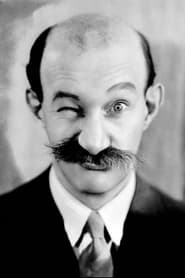
- Director George Jeske was a former comedy actor who worked frequently with Stan Laurel during this early period.
- Katherine Grant, who appears in the film, was a regular in Laurel's early shorts and would later become his second wife.
- Many of Laurel's early shorts from this period are now lost or exist only in fragmentary form.
- The film was released during the peak of the silent comedy era, competing with shorts from Chaplin, Keaton, and Harold Lloyd.
- Physical comedy in industrial settings was a popular trope in early 1920s shorts, showcasing modern machinery and workplace chaos.
Visual style
The cinematography by Walter Lundin (if credited) would have been typical of early 1920s comedy shorts, utilizing static cameras with occasional pans to follow the action. The industrial setting provided interesting visual contrasts between the bright citrus fruits and the dark machinery. Natural lighting was likely used when filming in the actual packing house, creating authentic shadows and highlights. The camera work would have been designed to clearly capture the physical comedy gags, ensuring that Laurel's movements and expressions were visible to audiences.
Innovations
While not technically, the film demonstrated effective use of location shooting in industrial settings, which was becoming more common in the early 1920s. The integration of real machinery into comedy sequences required careful timing and coordination between performers and crew. The film also showcased the growing sophistication of chase sequences in comedy shorts, using multiple spaces within the packing house to create escalating comedic situations.
Music
As a silent film, 'Oranges and Lemons' would have been accompanied by live musical performance in theaters. The score likely consisted of popular tunes of the era, classical pieces, and original compositions by the theater's pianist or organist. The music would have been synchronized to enhance the comedic timing and action on screen. The title might have inspired the inclusion of the 'Oranges and Lemons' nursery rhyme as part of the musical accompaniment.
Famous quotes
No recorded dialogue exists as this is a silent film
Memorable scenes
- The sequence where Laurel attempts to escape using the industrial packing machinery, resulting in him being caught in conveyor belts and fruit processing equipment, creating escalating physical comedy as he tries to free himself while avoiding his pursuing boss and coworkers.
What audiences thought
Audiences of 1923 responded well to 'Oranges and Lemons,' as it provided the slapstick entertainment they expected from comedy shorts. The relatable workplace setting and Laurel's increasingly recognizable comedic style made it popular with theater-goers. The film likely played well in both urban and rural theaters, as the agricultural theme had broad appeal. However, like most shorts of the era, it was quickly forgotten as new films were released weekly, and it never achieved the lasting popularity of Laurel's later collaborations.
Film connections
Influenced by
- Charlie Chaplin's factory comedies
- Buster Keaton's mechanical gags
- Harold Lloyd's workplace humor
This film influenced
- Later Laurel and Hardy factory shorts
- Industrial comedies of the late 1920s
Film restoration
The preservation status of 'Oranges and Lemons' is uncertain. Many of Stan Laurel's early shorts from this period are considered lost or survive only in incomplete form. Some may exist in film archives or private collections, but comprehensive preservation efforts for these early comedies were limited. The film may be held by archives such as the Library of Congress or the UCLA Film and Television Archive, but access could be restricted.
Where to watch
- Due to its age and uncertain preservation status, 'Oranges and Lemons' is not readily available on modern streaming platforms. Potential sources include: The UCLA Film and Television Archive, The Library of Congress collection, Silent film festivals and special screenings, DVD collections of early Laurel films (if included), Online archives specializing in silent films (if digitized)