
Films
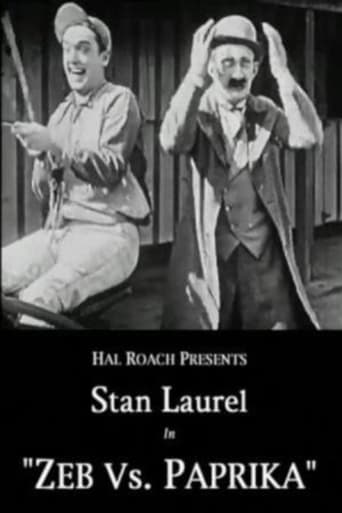
9 films
About George Rowe
Silent film actor who primarily worked in comedy shorts during the early 1920s. His career, though brief, spanned from 1920 to 1924, during which he appeared in numerous two-reel comedies that were popular in American cinemas. Rowe worked as a supporting actor and character player, often in uncredited or minor roles that were typical of the studio system of the era. His filmography includes collaborations with several comedy production companies that specialized in short-form entertainment for the burgeoning film market. Like many actors of his generation, Rowe's career was significantly impacted by the transition to sound films in the late 1920s, which effectively ended the careers of many silent-era performers who lacked distinctive voices or the ability to adapt to the new medium. His body of work, while not extensive, represents the typical journey of a working actor in Hollywood's formative years.
The Craft
On Screen
Rowe — character actor in the silent comedy tradition, likely employing physical comedy and exaggerated expressions typical of the era. His performances would have relied heavily on visual gags, pantomime, and slapstick elements that defined silent film comedy.
Milestones
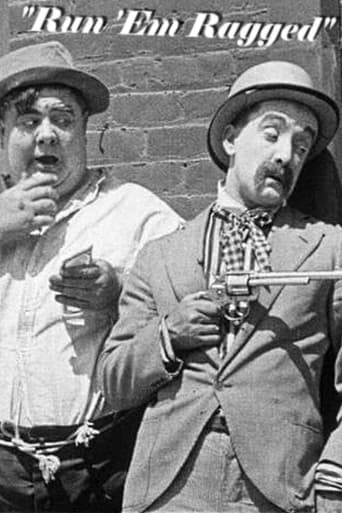
- Appeared in 'Run 'Em Ragged' (1920)
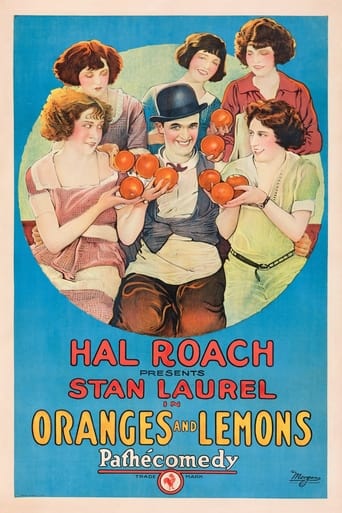
- Featured in 'Oranges and Lemons' (1923)
- Starred in 'Collars and Cuffs' (1923)
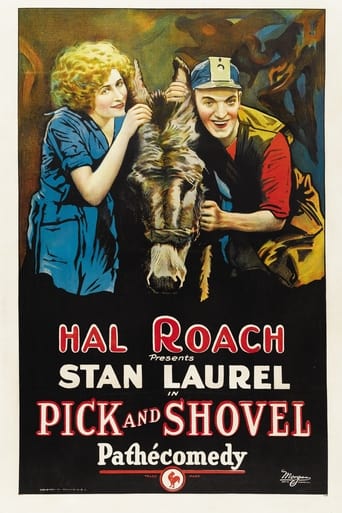
- Acted in 'Pick and Shovel' (1923)
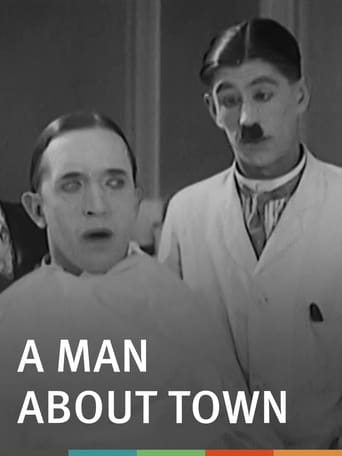
- Appeared in 'A Man About Town' (1923)
Best Known For
Must-See Films
Working Relationships
Worked Often With
Studios
Why They Matter
Impact on Culture
George Rowe's contribution to cinema, while not widely recognized today, represents the essential foundation of Hollywood's golden age. As a working actor in the early 1920s, he was part of the generation that helped establish the grammar of film acting and the studio system that would dominate American cinema for decades. His work in comedy shorts contributed to the development of American film comedy, which would later evolve into the sophisticated humor of directors like Chaplin, Keaton, and Lloyd. The collective efforts of actors like Rowe helped create the infrastructure and audience base that allowed Hollywood to become the global entertainment capital.
Lasting Legacy
George Rowe's legacy is that of the countless working actors who formed the backbone of early Hollywood cinema. While major stars from the silent era are remembered and celebrated, actors like Rowe represent the reality of the film industry - a vast community of performers who brought stories to life and entertained audiences, even if their names have faded from popular memory. His filmography serves as a valuable resource for film historians studying the development of American comedy and the structure of the studio system in its formative years.
Who They Inspired
As a supporting actor in early comedy shorts, Rowe's direct influence on subsequent generations of performers is difficult to trace. However, like all actors of his era, he contributed to the evolving language of film performance that would influence future generations of comedians and character actors. The techniques and approaches developed during his active years would inform the work of countless performers who followed.
Off Screen
Very little is documented about George Rowe's personal life, which is common for supporting actors from the silent era who were not major stars. Like many character actors of his time, he lived a relatively private life away from the spotlight, with most of his public existence limited to his on-screen appearances.
Did You Know?
- George Rowe's active years covered the peak years of silent comedy production
- He appeared in multiple films in 1923, suggesting he was a busy working actor that year
- His filmography consists entirely of short films, which were extremely popular in the 1920s
- Like many silent actors, his career ended around the time sound films became dominant
- The films he appeared in were likely produced quickly and inexpensively, typical of comedy shorts of the era
- His name appears in film archives but little biographical information survives
- He represents the thousands of working actors who were essential to Hollywood's early success but are now largely forgotten
Frequently Asked Questions
Who was George Rowe?
Silent film with credits in this catalog. He worked as a supporting actor in films like 'Run 'Em Ragged' (1920) and 'Oranges and Lemons' (1923), representing the typical working actor of Hollywood's formative years.
What films is George Rowe best known for?
Titles linked here include Run 'Em Ragged (1920), Oranges and Lemons (1923).
When was George Rowe born and when did he die?
Unfortunately, detailed biographical information about George Rowe's birth and death dates is not readily available, which is common for supporting actors from the silent era who were not major stars. His active active years covered from 1920 to 1924.
What awards did George Rowe win?
There are no recorded awards or nominations for George Rowe, which was typical for character actors and supporting players during the silent era. The major award systems we know today were not yet established during his active years.
What was George Rowe's acting style?
As a silent comedy actor, Rowe likely employed physical comedy, exaggerated expressions, and visual gags typical of the era. His performances would have relied heavily on pantomime and slapstick elements that defined silent film comedy, as actors of this period had to convey emotion and humor without dialogue.