



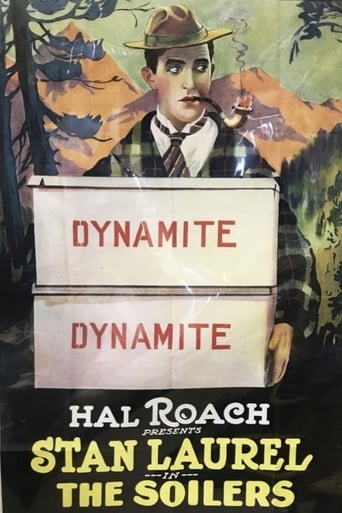
Pick and Shovel
"Stan Laurel mines laughs underground in Pick and Shovel."
Keys: Space play/pause · ←/→ 10s · F fullscreen · M mute · </> speed
About this film
Pick and Shovel, also known as The Miner, is a 1923 silent comedy film starring Stan Laurel.
Cast & crew
More films like this

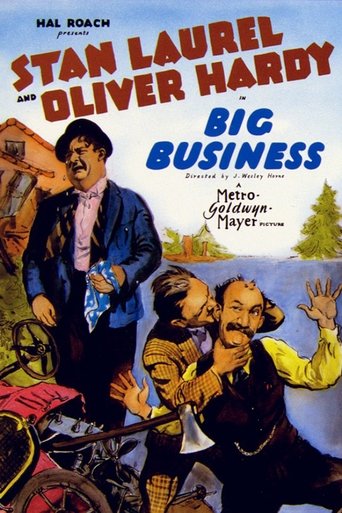
More Comedy films
View all →






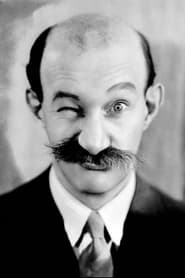
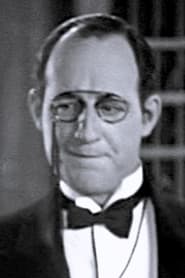
More from George Jeske
View all →


More about this film
About the production
Release dateJune 1923
ProductionHal Roach Studios
Filmed inLos Angeles, California
This was one of Stan Laurel's early solo shorts before his famous partnership with Oliver Hardy. The film was produced during the peak of the silent comedy era when Hal Roach Studios was churning out numerous short comedies. James Finlayson, who co-stars, would later become a regular antagonist in Laurel and Hardy films. The mining setting was a popular backdrop for silent comedies, allowing for physical gags involving tools, explosives, and the chaos of gold rush fever.
Themes
Themes & topics
Historical background
Pick and Shovel (1923) reached screens through Hal Roach Studios. Exhibitors of the time built silent-era bills that mixed shorts, features, and live acts, so a clear premise helped Pick and Shovel travel between cities and exchange markets.
Why this film matters
Archivists and revival programmers still cite Pick and Shovel (1923) when tracing studio habits, casting pools, and the visual rhetoric audiences once took for granted. Even modest surviving prints help map how Pick and Shovel fit beside competing releases of its day.
Making of
The production of 'Pick and Shovel' took place during a prolific period for Hal Roach Studios, which was known as the 'Lot of Fun' due to its focus on comedy. George Jeske, the director, had previously worked as an actor and understood the timing needed for physical comedy. The mining set was constructed on the studio lot, allowing for controlled chaos during filming. Stan Laurel was still developing his screen persona during this period, experimenting with different character types. The collaboration with James Finlayson proved successful enough that it would continue in future projects. The film's rapid production schedule was typical of the era, with comedy shorts being churned out regularly to meet theater demand for new programming.
What critics said
Trade coverage around 1923 discussed Pick and Shovel for pacing, clarity, and program fit rather than blockbuster grosses. Later writers value it as evidence of period style and as a reference point beside other films from the same era.
Did you know?
- the production was released before Stan Laurel's iconic partnership with Oliver Hardy was formed in 1927
- James Finlayson appears in the production, foreshadowing his future role as a regular Laurel and Hardy antagonist
- The film was also released under the alternate title 'The Miner' in some markets
- This was one of approximately 40 short films Stan Laurel made for Hal Roach Studios between 1921-1925
- The mining theme was a popular comedic setting during the 1920s, capitalizing on America's fascination with gold rush stories
- Director George Jeske was a former actor who transitioned to directing comedy shorts
- Katherine Grant was a frequent co-star with Laurel during his solo career
- The film represents an early example of Laurel's signature character development that would later make him famous
- Like many silent shorts of the era, the film was likely shot in just a few days
- The physical comedy techniques used in this mining setting would later be refined in Laurel and Hardy's classic films
Visual style
The cinematography by Walter Lundin utilized the standard techniques of silent comedy filming, with clear compositions to ensure gags were visible to audiences. The mining setting allowed for interesting visual contrasts between dark underground scenes and bright outdoor sequences. Camera movement was minimal by modern standards, focusing on capturing the physical comedy clearly. The film likely used the standard 1.33:1 aspect ratio of the era. Lighting techniques were employed to create dramatic effects in the mine scenes while ensuring the actors' expressions remained visible.
Innovations
While not groundbreaking technically, 'Pick and Shovel' employed standard production techniques of the Hal Roach studio, known for their efficiency and quality in comedy production. The mining set construction allowed for multi-level gags and vertical comedy. The film likely used the standard film stock of the era, with the typical exposure and development processes of 1923. The editing pace was moderate for a comedy short, allowing gags to play out fully. Any special effects would have been practical, likely involving props for mining equipment and simple pyrotechnics for explosion gags.
Music
As a silent film, 'Pick and Shovel' would have been accompanied by live musical performance in theaters. The typical score would have included popular songs of 1923, classical pieces adapted for comedic effect, and original improvisation by the theater's pianist or organist. The music would have been synchronized to enhance the on-screen action, with faster tempos during chase sequences and more dramatic music during tense moments. No original composed score exists for the film, though modern screenings might use period-appropriate music compiled by silent film accompanists.
Memorable scenes
- The chaotic mining sequence where Laurel and Finlayson comically struggle with their tools and equipment, showcasing the physical comedy that would become Laurel's trademark. The discovery of gold scene, where their reactions range from disbelief to greedy excitement, demonstrates the expressive acting required in silent films. The final chase sequence through the mining camp, where the duo must evade various characters trying to steal their fortune, exemplifies the classic silent comedy pursuit formula.
What audiences thought
Audiences in 1923 received 'Pick and Shovel' as standard entertainment for the typical theater program of the era. Comedy shorts were expected to provide light amusement between feature presentations, and the production fulfilled that expectation. The mining setting and physical comedy were familiar and appealing to audiences of the time. Modern audiences, primarily silent film enthusiasts and Laurel and Hardy fans, view the film as a curiosity piece showing early work by the future comedy legend. The film's simplicity and straightforward gags make it accessible to modern viewers interested in silent comedy history.
Film connections
Influenced by
- Earlier Mack Sennett comedies
- Charlie Chaplin's character-driven comedy
- Harold Lloyd's everyman persona
- Buster Keaton's technical precision
This film influenced
- Later Laurel and Hardy mining-themed comedies
- Other Hal Roach studio shorts
- The development of character-based silent comedy
Film restoration
The preservation status of 'Pick and Shovel' is uncertain, as many silent shorts from this era have been lost. Some sources suggest that copies may exist in film archives or private collections, but it is not widely available for viewing. The film, like many Hal Roach shorts of the 1920s, may exist only in incomplete form or as poor-quality duplicates. Silent film preservation efforts continue to locate and restore such films, but the survival rate for comedy shorts from this period is unfortunately low.
Where to watch
- The film is extremely rare and not commercially available on home video or streaming platforms. It may occasionally be shown at specialized silent film festivals or archives that hold copies of Hal Roach shorts. Film enthusiasts might find it through private collector screenings or specialized film archive viewings. Some film preservation societies may have access to copies for research purposes. The best chance to view the production would be through contact with major film archives such as the Library of Congress or the UCLA Film & Television Archive.