George Jeske
Actor & Director
Born: February 22, 1891 in Utah, United States Died: October 28, 1951 Active: 1913-1933 Birth Name: George Albert Jeske
Films
11 films

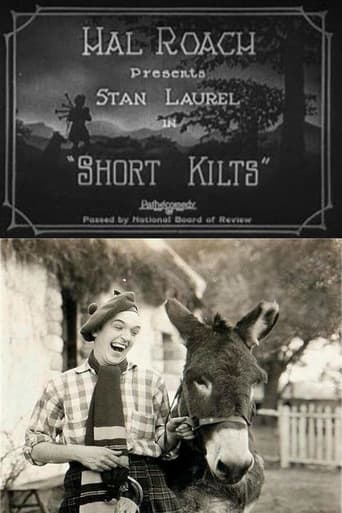
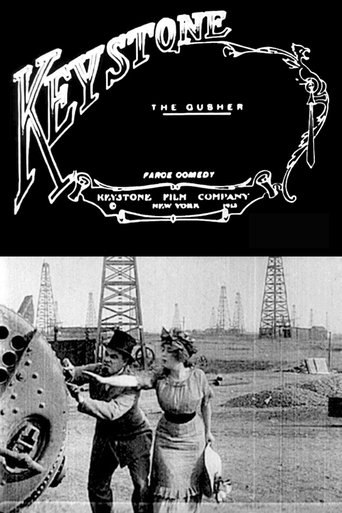
About George Jeske
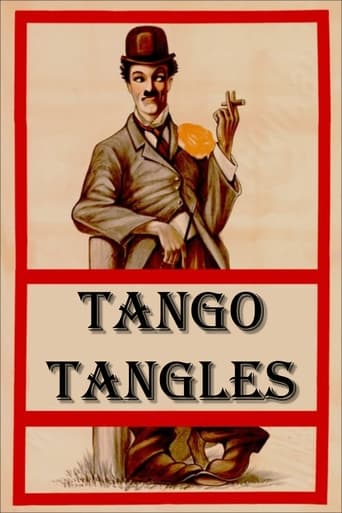
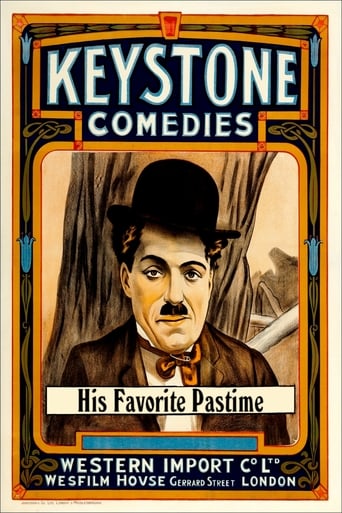
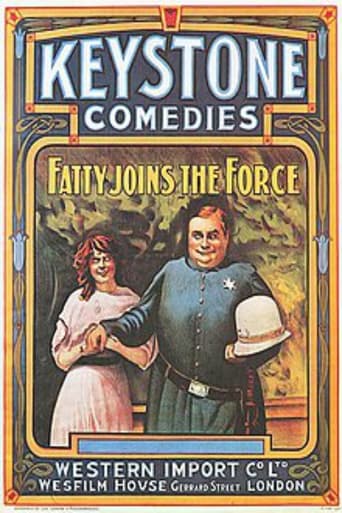
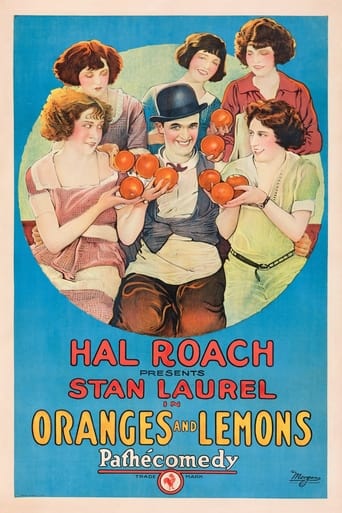
George A. Jeske — American actor, director, and screenwriter who made significant contributions to silent era comedy cinema. Beginning his career as an actor at Mack Sennett's Keystone Studios in 1913, he appeared in numerous early comedy shorts alongside legends like Charlie Chaplin, Fatty Arbuckle, and Mabel Normand. Jeske's early acting roles included appearances in classic Keystone comedies such as 'Tango Tangles' and 'His Favorite Pastime,' where he often played supporting character parts in the ensemble casts. Transitioning behind the camera in the early 1920s, Jeske found his true calling as a director, helming numerous comedy shorts for various studios including Hal Roach Productions. His directorial work during 1923 included films like 'Oranges and Lemons,' 'Collars and Cuffs,' 'Pick and Shovel,' and 'A Man About Town,' showcasing his knack for visual gags and comedic timing. Jeske continued directing throughout the 1920s and into the early sound era, though his productivity declined as the film industry evolved. His the pivotal decade when cinema transformed from simple novelty to sophisticated art form, making him a valuable witness to and participant in cinema's formative years.
The Craft
On Screen
As an actor during the silent era, Jeske employed the exaggerated physical comedy style characteristic of Keystone productions. His performances relied heavily on slapstick elements, broad gestures, and facial expressions to convey humor to audiences without dialogue. Jeske typically played supporting roles rather than lead characters, often serving as part of the comedic ensemble or as a foil to the main stars. His acting was energetic and kinetic, fitting perfectly with the fast-paced, chaotic comedy style that made Keystone famous.
Behind the Camera
Jeske's directing style emphasized visual gags, physical comedy, and rapid pacing, reflecting his Keystone training. He had a keen eye for comedic composition within the frame, utilizing the full potential of silent visual storytelling. His direction of comedy shorts demonstrated an understanding of timing and rhythm essential for effective humor, often building sequences of escalating gags that culminated in chaotic finales. Jeske's work showed influence from both the rough-and-tumble Keystone approach and the more sophisticated comedy techniques being developed at studios like Hal Roach.
Milestones
- Early acting career at Keystone Studios alongside Charlie Chaplin
- Transition from acting to directing in the early 1920s
- Directed multiple comedy shorts for Hal Roach Studios
- Worked with comedy legends including Harold Lloyd and the Our Gang cast
- Contributed to over 100 films as actor, director, or writer
Best Known For
Iconic Roles
Must-See Films
Accolades
Special Recognition
- Contributor to early American cinema development
Working Relationships
Worked Often With
Studios
Why They Matter
Impact on Culture
George Jeske represents the generation of filmmakers who helped establish the language of cinema during its formative years. His work at Keystone Studios contributed to the development of American slapstick comedy, a genre that would dominate early Hollywood and influence comedy worldwide. As both actor and director, Jeske participated in the transition from cinema's primitive beginnings to more sophisticated storytelling techniques. His collaborations with Charlie Chaplin during Chaplin's formative period place him within the inner circle of artists who shaped one of cinema's most iconic careers. The comedy shorts he directed in the 1920s helped refine the visual gag techniques that would become standard in film comedy for decades.
Lasting Legacy
George Jeske's legacy lies in his contribution to the foundation of American film comedy, particularly during the silent era's most creative period. While not as famous as many of his contemporaries, his work behind the camera helped establish comedy techniques that would influence generations of filmmakers. The films he directed, though mostly short subjects, represent the refinement of cinematic comedy from the rough Keystone style to more sophisticated humor. Jeske's career trajectory from actor to director mirrors the professional development of many early film pioneers who helped shape Hollywood's studio system. His filmography serves as valuable documentation of comedy evolution during cinema's transitional years.
Who They Inspired
Jeske's influence is primarily seen through his contributions to the development of short-form comedy cinema. His directing work helped establish pacing and gag structure that became standard in comedy shorts throughout the 1920s and 1930s. While he didn't mentor specific famous directors who would credit him, his work at studios like Hal Roach contributed to the creative environment that produced comedy legends. The techniques he employed in visual storytelling without dialogue influenced how comedy would be constructed in early cinema, particularly in the efficient setup and payoff of physical gags that defined silent comedy.
Off Screen
George Jeske was born into a family that would have several members enter the entertainment industry. His brother Harry Jeske also worked in films as an actor and director. George married and had children, though details about his family life remain relatively private compared to his professional career. He lived primarily in the Los Angeles area during his film career, which was typical for industry professionals of his era. After his directing career diminished in the early 1930s, Jeske remained in Los Angeles until his death in 1951 at the age of 60.
Education
Educational background not extensively documented in film history records
Family
- Details not widely documented in historical records
Did You Know?
- Appeared in several films with Charlie Chaplin during Chaplin's early Keystone period
- Worked at both Keystone Studios and later at Hal Roach Studios, two of the most important comedy production companies
- Transitioned from acting to directing during a pivotal period in cinema history
- His brother Harry Jeske was also a film actor and director
- Directed multiple films in 1923 alone, showing his productivity during the silent era
- Was part of the ensemble that helped establish American slapstick comedy
- His films often featured simple titles based on objects or occupations, common for comedy shorts of the era
- Survived the transition from silent films to talkies, though his directing career diminished afterward
- Lived through the entire formative period of Hollywood cinema from its early days through the studio system's establishment
- His work represents the typical career path of many early film professionals who started as actors and moved behind the camera
In Their Own Words
No widely documented quotes from George Jeske are available in historical records, which was common for supporting actors and directors of the silent era who were not frequently interviewed by the press.
Frequently Asked Questions
Who was George Jeske?
American actor and on YTB.my. He began his career as an actor at Keystone Studios in 1913, appearing in comedies with Charlie Chaplin, and later transitioned to directing comedy shorts in the 1920s for studios like Hal Roach Productions.
What films is George Jeske best known for?
Titles linked here include Tango Tangles (1914), His Favorite Pastime (1914).
When was George Jeske born and when did he die?
Born February 22, 1891; died October 28, 1951.
What awards did George Jeske win?
George Jeske did not receive major formal awards during his career, which was common for many film professionals working in the silent era, particularly those specializing in short comedy subjects rather than feature films.
What was George Jeske's directing style?
Jeske's directing style emphasized visual gags, physical comedy, and rapid pacing, reflecting his Keystone training. He had a keen eye for comedic timing and often built sequences of escalating gags that culminated in chaotic finales, typical of silent era comedy shorts.