
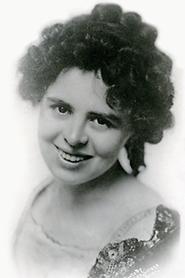
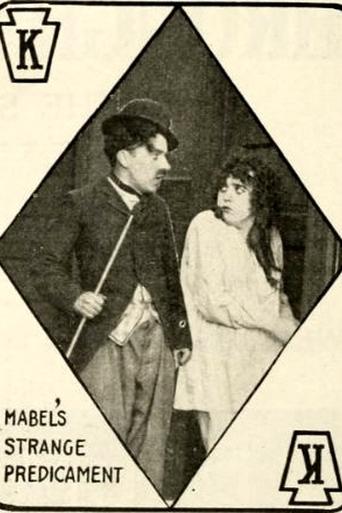
Fatty Joins the Force
"A hero's reward turns into police-work misery."
Keys: Space play/pause · ←/→ 10s · F fullscreen · M mute · </> speed
About this film
Fatty rescues the daughter of the police commisioner and is given a job as an officer as a reward, but its not all its cracked up to be!
Cast & crew
More films like this

More Comedy films
View all →







More from George Nichols
View all →


More about this film
About the production
Release dateDecember 1913
Box officeBox office figures were not systematically tracked for individual shorts in 1913, but Keystone comedies were highly profitable for studio distribution
ProductionKeystone Film Company
Filmed inLos Angeles, California, Edendale studio district
Filmed during Keystone's peak production period when they were releasing multiple shorts per week. The film was shot in just 1-2 days, typical for Keystone's rapid production schedule. The police uniforms were likely rented or borrowed props rather than custom-made. The chase sequence utilized real Los Angeles streets, creating authentic urban comedy settings that became a Keystone trademark.
Themes
Incompetence in authorityMistaken identityUrban chaosPhysical comedySocial mobility
Themes & topics
police officermistaken herochase sequenceslapstick comedyrescueincompetenceurban settingphysical comedyKeystone Studiossilent film
Historical background
Fatty Joins the Force (1913) survives in catalogs and archives as a record of the silent era.
Why this film matters
Scholars and collectors reference Fatty Joins the Force when discussing how the silent era filmmakers addressed popular themes.
Making of
The film was created during Mack Sennett's revolutionary period at Keystone, where he established the fast-paced, chaotic comedy style that would dominate American film comedy for years. George Nichols, the director, was one of Sennett's most reliable directors, capable of turning out quality comedies on extremely tight schedules. Arbuckle was still developing his screen persona at this point, having transitioned from stage work to film just the year before. The production utilized Keystone's signature approach of minimal scripting and maximum improvisation, allowing performers to create gags on set. The famous chase sequence was filmed guerrilla-style on Los Angeles streets without permits, a common practice for Keystone that often led to real confusion among bystanders who didn't realize they were watching a film being made. The relationship between Arbuckle and Durfee was genuine - they had married in 1908 and worked together frequently during this period, though their marriage would eventually end in divorce.
What critics said
Later retrospectives treat Fatty Joins the Force (1913) as representative the silent era fare valued by archivists and genre historians.
Did you know?
- This was one of the earliest films where Roscoe Arbuckle played a police officer, a character type he would revisit throughout his career
- Minta Durfee, who plays the commissioner's daughter, was Arbuckle's real-life wife at the time of filming
- Edgar Kennedy, who appears in the film, would later become famous as the 'Slow Burn' character in comedy shorts
- The film was produced during Keystone's first year of operation, when they were revolutionizing American comedy cinema
- Director George Nichols was a prolific Keystone director who worked extensively with both Arbuckle and Charlie Chaplin
- The runaway carriage sequence was performed without stunt doubles, with actors doing their own dangerous work
- Keystone's policy was to release films almost immediately after completion, sometimes within days of filming
- This film survives today in the Library of Congress collection, though some prints are incomplete
- The police station set was reused in multiple Keystone films to save production costs
- Arbuckle's character's weight was already a central comedic element, establishing his 'Fatty' persona early in his career
Visual style
The cinematography was typical of Keystone productions in 1913, utilizing static cameras positioned for optimal viewing of the physical comedy. The film was shot in black and white on 35mm film, with the standard aspect ratio of the era. The camera work prioritized clarity of action over artistic composition, ensuring that gags and stunts were clearly visible to audiences. The chase sequence employed long takes to follow the action through streets, creating a sense of continuous movement. The lighting was natural and primarily outdoors, taking advantage of California sunshine. The cinematography, while technically simple by modern standards, was effective in capturing the rapid-paced comedy and spatial relationships essential to the gags.
Innovations
While not technically innovative, the film demonstrated Keystone's mastery of rapid production techniques and efficient location shooting. The chase sequence showed advanced understanding of spatial continuity and editing rhythm for comedy timing. The film's use of real urban locations for comedy represented an early example of location shooting becoming integral to narrative film. The physical stunts, while relatively simple by later standards, required careful timing and coordination that demonstrated the growing sophistication of film comedy techniques. The film's pacing and editing showed the emerging language of film comedy that would influence generations of filmmakers.
Music
As a silent film, 'Fatty Joins the Force' would have been accompanied by live musical performance during theatrical screenings. The typical accompaniment would have been a pianist or small theater orchestra playing popular music of the era, with selections chosen to match the mood of each scene. Chase sequences would have been accompanied by fast-paced, rhythmic music, while comic moments might have featured lighter, more whimsical tunes. No original score was composed specifically for this film, as was common practice for short comedies of this period. The music would have been selected from theater libraries or improvised by the musicians based on cue sheets provided by the studio or created by the musical director.
Famous quotes
(Silent film - no dialogue, but intertitles would have included typical Keystone comedy text such as 'Fatty Saves the Day!' and 'Our Hero, the Policeman!')
Memorable scenes
- The opening rescue sequence where Fatty accidentally saves the commissioner's daughter from a runaway carriage, establishing his undeserved hero status. The climactic chase through Los Angeles streets where Fatty's bumbling somehow leads to the criminals' capture, featuring multiple near-misses, collisions, and classic Keystone chaos with innocent bystanders getting caught up in the action.
What audiences thought
The film was popular with audiences of 1913, who were growing accustomed to Keystone's brand of chaotic comedy. Arbuckle's relatable everyman character resonated with working-class audiences who found humor in the idea of an ordinary person suddenly elevated to a position of authority. The film's short length and continuous action made it ideal for the varied theater programs of the era. Audience reactions were typically enthusiastic, with reported laughter during screenings being a common measure of a comedy's success. The film's popularity helped establish Arbuckle as a bankable star for Keystone, leading to more starring vehicles for him in subsequent years. Modern audiences viewing the film in retrospectives and archives often appreciate its historical significance and the charm of early silent comedy.
Film connections
Influenced by
- Earlier Mack Sennett comedies
- French comedy films of the era
- Vaudeville comedy traditions
- Stage farce conventions
This film influenced
- Later Arbuckle police comedies
- Keystone cop films
- Charlie Chaplin's police comedies
- The Three Stooges shorts
- Laurel and Hardy police films
Film restoration
The film survives in various archives including the Library of Congress and the Museum of Modern Art. While not considered lost, some prints are incomplete or in poor condition. The film has been included in several DVD collections of early comedy and Keystone shorts. Restoration efforts have preserved much of the film, though some deterioration is evident in existing prints. The survival of this 1913 one-reeler is notable given that many films from this early period have been completely lost.
Where to watch
- Available on various public domain compilation DVDs of early comedy
- Streaming on some archive.org collections
- Occasionally shown in film museum retrospectives
- Included in some educational film history collections
- Available through specialized classic film streaming services