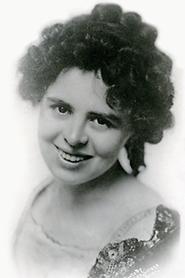
Dot Farley
Actor
Born: February 6, 1878 in Morrisania, New York, USA Died: October 2, 1971 Active: 1913-1937 Birth Name: Dorothea S. Farley
Films
11 films
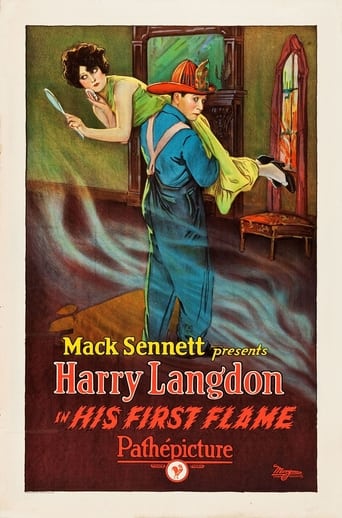
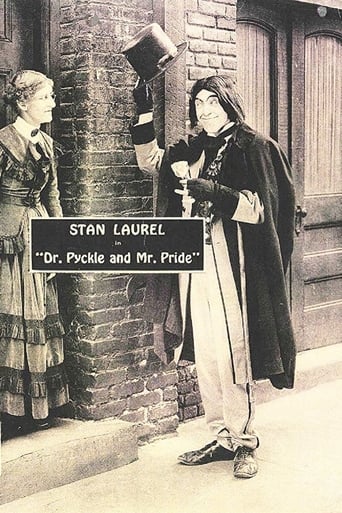

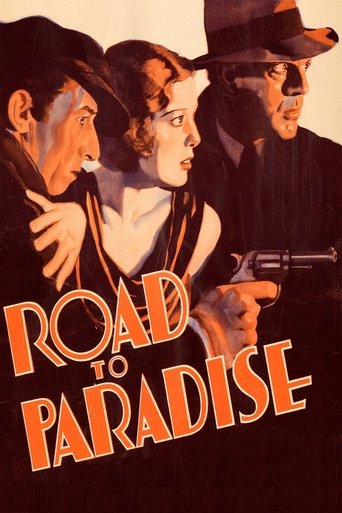
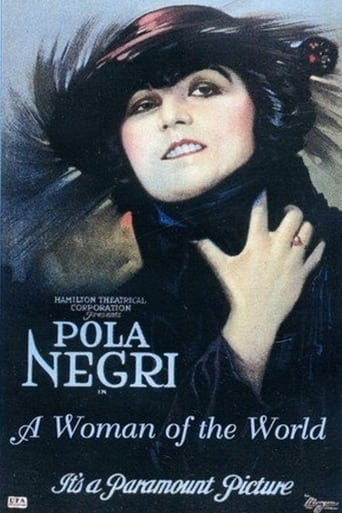
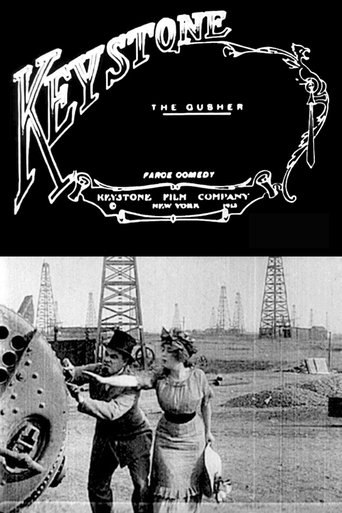
About Dot Farley
Dot Farley, born Dorothea S. Farley, was a prolific character actress who became recognizable faces in silent comedy cinema during the 1910s and 1920s. She joined Mack Sennett's Keystone Studios in its formative years and became an integral part of the stock company, appearing in hundreds of comedy shorts. Farley specialized in portraying formidable matrons, overbearing mothers, and stern authority figures who often became the comic foil to the studio's slapstick stars. Her formidable presence and deadpan delivery made her the perfect straight woman to the chaotic antics of the Keystone Kops, Fatty Arbuckle, and Charlie Chaplin during their early careers. As the silent era transitioned to sound, Farley continued working in smaller character roles throughout the 1930s, though her prominence diminished with the changing comedy landscape. She retired from acting in the late 1930s after a career spanning over two decades and more than 200 film appearances. Her contributions to early American comedy cinema, while often uncredited, were significant in establishing the archetype of the comic authority figure that would influence generations of comedy performers.
The Craft
On Screen
Dot Farley developed a distinctive acting style centered around her formidable presence and deadpan comic timing. She specialized in playing stern, unflappable matrons and authority figures whose rigid demeanor provided the perfect contrast to the chaotic slapstick surrounding her. Her technique involved maintaining a stone-faced expression while reacting to absurd situations with minimal but effective gestures, making her the ideal straight woman in comedy ensembles. Farley's physical comedy was subtle yet precise, often using her imposing stature and severe facial expressions to create humor without overt slapstick. Her ability to deliver dialogue with deadpan seriousness while maintaining character consistency made her invaluable in the fast-paced production environment of silent comedy studios.
Milestones
- Joined Mack Sennett's Keystone Studios in 1913
- Became
- Worked with major silent comedy stars including Charlie Chaplin, Fatty Arbuckle, and Mabel Normand
- Established the archetype of the comic matron/authority figure in early comedy
- Successfully transitioned from silent films to early talkies in the 1930s
Best Known For
Iconic Roles
Must-See Films
Accolades
Special Recognition
- figure in American silent comedy cinema
- Recognized for contributions to establishing comedy character archetypes
Working Relationships
Worked Often With
Studios
Why They Matter
Impact on Culture
Dot Farley's impact on American comedy cinema was significant though often overlooked in historical accounts. She helped establish the archetype of the comic authority figure that would become a staple in comedy films and television for decades to come. Her work at Keystone Studios contributed to the development of American slapstick comedy during its formative years, providing the necessary counterpoint to the anarchic humor of the era's biggest stars. Farley's ability to maintain dignity amidst chaos created a template for countless future character actors in comedy. Her performances demonstrated that effective comedy didn't always require overt physicality but could be achieved through contrast and timing, influencing how comedy ensembles would be structured in subsequent decades.
Lasting Legacy
Dot Farley's legacy lies in her work as a character actress in silent comedy, where she helped establish enduring comic archetypes that continue to influence comedy today. While she never achieved the fame of leading stars like Chaplin or Arbuckle, her contributions were essential to the success of hundreds of comedy shorts during the golden age of silent film. Film historians recognize her as. Her work represents the important but often unheralded contributions of supporting players who were the backbone of studio production systems. Modern comedy scholars and silent film enthusiasts continue to study her performances for insights into the ensemble dynamics that made early American comedy so influential.
Who They Inspired
Dot Farley influenced generations of character actresses who followed in her footsteps, particularly those specializing in comic authority roles. Her deadpan delivery style and ability to maintain character integrity in absurd situations became a model for future comedy performers. The archetype she helped establish - the stern but ultimately harmless authority figure - became a recurring element in comedy films, television shows, and even cartoons throughout the 20th century. Contemporary character actors in comedy often unconsciously employ techniques that Farley helped perfect, particularly in ensemble comedies where contrast between personalities drives the humor. Her work demonstrated the importance of the straight woman in comedy, influencing how comedy ensembles would be cast and structured in subsequent decades.
Off Screen
Dot Farley was known as a private individual who maintained a low public profile despite her extensive film career. She never married and devoted her life primarily to her acting career and later to charitable work in the Los Angeles area. After retiring from films, she lived quietly in South Pasadena, California, where she was known among local residents as a kind and generous neighbor who often supported community theater programs. Farley — avid reader and maintained friendships with several former silent film colleagues throughout her later years. She passed away at the age of 93, having outlived most of her contemporaries from the Keystone era.
Education
Limited information available, but she likely received basic education in New York before entering show business in the early 1900s
Did You Know?
- Appeared in over 200 films during her career, though many were uncredited
- Was one of the original members of Mack Sennett's Keystone stock company
- Worked with Charlie Chaplin during his first year at Keystone in 1914
- Often played characters much older than her actual age, even in her 30s
- Her stern demeanor on screen contrasted sharply with her reportedly kind nature off-screen
- Survived the transition from silent films to talkies, unlike many of her contemporaries
- Was known for her professionalism and reliability on set, rarely missing a day of work
- Continued working into the sound era, though in increasingly smaller roles
- Lived to be 93 years old, outliving most of her Keystone colleagues
- Never received screen credit in many of her most famous appearances, as was common for character actors of the era
In Their Own Words
(On working with Keystone stars) 'They were all wonderful boys, really. All that chaos on screen, but professionals to the core when the cameras stopped rolling.'
(On her acting philosophy) 'The secret to comedy isn't being funny yourself, it's being the straightest straight man possible. The funnier you try to be, the less laughs you get.'
(On the transition to sound) 'Talkies changed everything. Suddenly you couldn't just glare and get a laugh. You had to say something funny too.'
Frequently Asked Questions
Who was Dot Farley?
Prolific American character actress best known for her work in silent comedy films during the 1910s and 1920s, particularly with Mack Sennett's Keystone Studios where she specialized in playing stern matrons and authority figures.
What films is Dot Farley best known for?
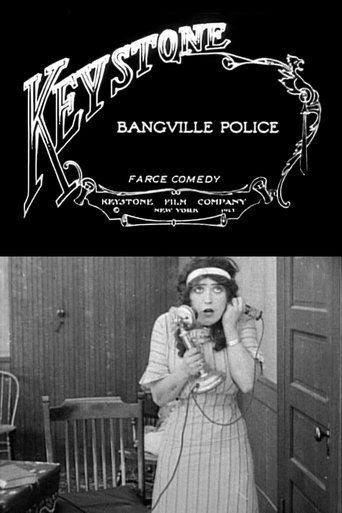
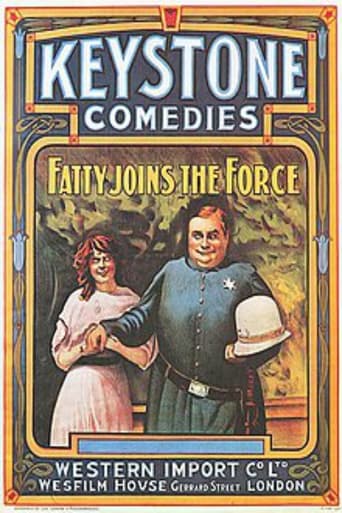
Titles linked here include Bangville Police (1913), Fatty Joins the Force (1913).
When was Dot Farley born and when did she die?
Born February 6, 1878; died October 2, 1971.
What awards did Dot Farley win?
Dot Farley did not receive major formal awards during her career, as was common for character actors in the silent era, though she is recognized by film historians for her significant contributions to early American comedy cinema.
What was Dot Farley's acting style?
Farley specialized in deadpan comedy, playing stern authority figures and matrons with stone-faced expressions and minimal gestures, providing the perfect contrast to the chaotic slapstick of her co-stars in Keystone comedies.
Did Dot Farley work with famous silent comedians?
Yes, she worked extensively with major silent comedy stars including Charlie Chaplin, Roscoe 'Fatty' Arbuckle, Mabel Normand, Ford Sterling, and Harry Langdon during her time at Keystone Studios.
How did Dot Farley transition to sound films?
Farley successfully transitioned to talkies in the early 1930s, though in smaller character roles, and continued working in films until the late 1930s before retiring from acting.
What was Dot Farley's legacy in film history?
Her legacy lies in establishing the archetype of the comic authority figure in American cinema and demonstrating the importance of character actors in creating successful comedy ensembles, influencing generations of comedy performers.