
His First Flame
"Still, the lovestruck Harry is determined to marry his sweetheart Ethel."
Keys: Space play/pause · ←/→ 10s · F fullscreen · M mute · </> speed
About this film
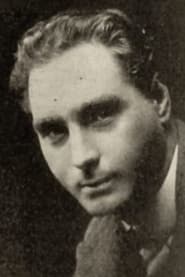
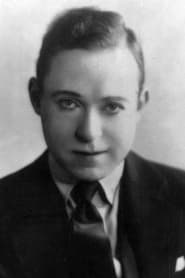
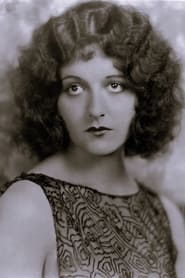
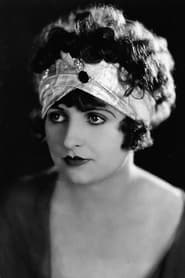
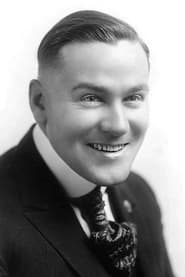
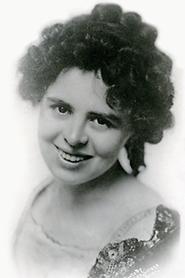
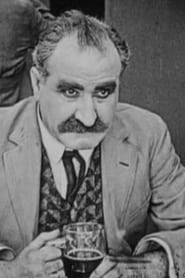
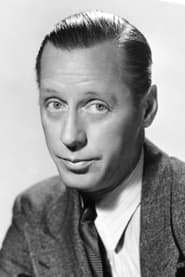
Fire chief Amos McCarthy, a confirmed misogynist, counsels his nephew Harry Howells to avoid matrimony at all costs. Still, the lovestruck Harry is determined to marry his sweetheart Ethel. All that changes, though, when it turns out Ethel is a faithless gold-digger. Additional cast members include Natalie Kingston, Ruth Hiatt, Vernon Dent, and others.
Cast & crew
More films like this

More Comedy films
View all →







More from Harry Edwards
View all →

More about this film
About the production
Release dateApril 17, 1927
ProductionMack Sennett Comedies
Filmed inLos Angeles, California, Mack Sennett Studios, Studio City, California
This was one of Harry Langdon's final films for Mack Sennett before their professional relationship deteriorated. The film was produced during a turbulent period in Langdon's career when he was struggling to maintain his popularity after leaving his successful partnership with director Frank Capra. The fire station sequences required elaborate set construction and practical fire effects, which were challenging to film in the silent era without modern safety equipment. The production team had to build a replica fire station complete with functioning fire poles and vintage fire apparatus from the 1920s.
Themes
Romantic disillusionmentMisanthropy vs. loveHeroism in unexpected placesGender roles and relationshipsComing of age
Themes & topics
firefightermisogynygold diggerheartbreakcomedysilent filmuncle-nephew relationshipfire stationheroismromancebetrayalphysical comedy
Historical background
Made in 1927, in United States, under Harry Edwards, His First Flame belongs to silent filmmaking amid the silent era's rapid stylistic experiments. His First Flame is a 1927 American silent comedy film starring Harry Langdon and directed by Harry Edwards.
Why this film matters
Within silent history, Harry Edwards's name attaches to the work; surviving prints help researchers study silent-era craft; 1927 film by Harry Edwards.
Making of
The production of 'His First Flame' was marked by significant tension between Harry Langdon and Mack Sennett. Langdon, who had recently achieved stardom through his collaboration with director Frank Capra, was increasingly asserting creative control over his projects. This led to conflicts with Sennett's established production methods. Director Harry Edwards, caught in the middle, had to balance Sennett's traditional comedy approach with Langdon's desire for more nuanced character development. The fire sequences were particularly challenging to film, requiring the crew to create controlled fires that looked authentic but were safe for the cast. Langdon, known for his perfectionism, insisted on multiple takes of his physical comedy routines, often exhausting himself and the crew. The film's production coincided with Langdon's declining popularity, as audiences were beginning to tire of his innocent man-child persona in favor of more sophisticated comedians.
What critics said
Contemporary reviews of His First Flame are sparse in open sources; later catalog entries chiefly summarize plot and credits.
Did you know?
- One of the last short comedies Harry Langdon made for Mack Sennett before their bitter falling out over creative control
- Director Harry Edwards was a prolific comedy director who worked extensively with both Harry Langdon and later with The Three Stooges
- Released just as the silent film era was beginning to wane with the advent of sound technology
- Harry Langdon's character in this film showcases his signature 'baby-faced' innocent persona that made him famous
- The fire station set was later reused in several other Mack Sennett productions due to its expensive construction
- Natalie Kingston, who plays the faithless gold-digger Ethel, was a former Miss California who transitioned to acting
- Is part of a series of Langdon shorts where he played various well-meaning but bumbling characters
- The original nitrate film prints were considered lost for decades before being rediscovered in a European film archive
- Harry Langdon performed many of his own stunts in the fire sequences, including sliding down the fire pole
- The film's title 'His First Flame' is a double entendre referring both to romantic love and actual fire
Visual style
The cinematography in 'His First Flame' was handled by Mack Sennett's regular cameramen, employing the standard techniques of late silent comedy. The film utilizes medium shots for comedy sequences and close-ups for emotional moments, following the emerging grammar of film language. The fire station sequences feature dynamic camera movement and clever framing to enhance the physical comedy. The lighting design creates dramatic contrasts between the fire station's dark interiors and the bright exterior scenes. The film makes effective use of depth of field in the fire sequences, allowing multiple actions to occur simultaneously within the frame. The cinematography, while not, demonstrates the professional polish typical of major studio productions of the era.
Innovations
While 'His First Flame' doesn't feature major technical innovations, it demonstrates the sophisticated production values that major comedy studios had achieved by 1927. The film's fire sequences required advanced practical effects techniques for the period, including controlled fire effects and smoke that could be safely filmed. The production design of the fire station set was notably detailed and authentic, reflecting the high standards of Mack Sennett productions. The film also showcases the refined editing techniques that had developed in comedy cinema, with precise timing crucial to the effectiveness of the physical comedy gags. The preservation of the film's visual quality in surviving prints demonstrates the advanced film stock and processing techniques available to major studios by the late silent era.
Music
As a silent film, 'His First Flame' originally would have been accompanied by live musical performance in theaters. The typical score would have consisted of popular songs of the era, classical pieces, and original mood music performed by a theater organist or small orchestra. The fire sequences would have been accompanied by dramatic, fast-paced music, while romantic moments featured sentimental melodies. Modern restorations of the film have been scored with period-appropriate music compiled from authentic 1920s sources. Some contemporary screenings feature newly composed scores by silent film accompanists who specialize in creating historically informed musical accompaniment for silent comedies.
Famous quotes
Women are nothing but trouble, Harry! Mark my words!
I thought she was different, Uncle Amos... I really did!
When that bell rings, we don't ask questions - we just go!
Sometimes the best way to forget a broken heart is to save someone else's life!
Memorable scenes
- The opening scene where Fire Chief Amos delivers his misogynistic lecture to young Harry
- Harry's disastrous romantic encounter with Ethel that reveals her true nature
- The extended fire station sequence where bumbling Harry attempts to handle emergency equipment
- The climactic fire rescue where Harry unexpectedly becomes a hero
- The final scene where Harry discovers his true feelings have changed
What audiences thought
Audience reception in 1927 was modest, with the film performing adequately but not spectacularly at the box office. Harry Langdon's fan base still turned out to see his work, but there were signs that his popularity was beginning to wane compared to his peak years in 1925-1926. The film's straightforward comedy and familiar character types appealed to traditional silent film audiences, but it didn't generate the excitement or word-of-mouth that Langdon's earlier successes had achieved. Modern audiences who have seen the film through revival screenings or home media releases generally find it charming but minor, appreciating it primarily as a historical artifact. The film's brief runtime and simple plot make it accessible to contemporary viewers unfamiliar with silent cinema.
Film connections
Influenced by
- The General (1926) - for its action-comedy blend
- Charlie Chaplin's romantic comedies
- Buster Keaton's physical comedy style
- Harold Lloyd's everyman hero character
This film influenced
- Later fireman comedy shorts
- Three Stooges shorts with similar premises
- Early sound comedy shorts that adapted silent formulas
Film restoration
Considered lost for many years but a complete 35mm print was discovered in the Czech Film Archive in the 1990s. The film has since been preserved by the Library of Congress and restored by several film archives. A digitally restored version is available through various classic film distributors. The preservation quality is generally good, though some scenes show deterioration typical of nitrate film from this period. The film is not in the public domain and remains under copyright protection.
Where to watch
- The Criterion Channel (occasionally featured in silent comedy collections)
- Kino Lorber DVD collection 'Harry Langdon: The Forgotten Clown'
- Various classic film streaming services specializing in silent cinema
- Film archive screenings at museums and cinematheques
- Some public domain streaming sites (though quality may vary)