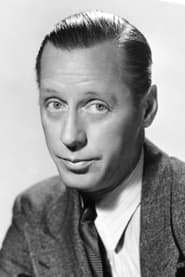
Irving Bacon
Actor
Born: September 6, 1894 in St. Joseph, Missouri, USA Died: February 5, 1965 Active: 1925-1965
Films
17 films
Made for Each Other
1938
Meet John Doe
1941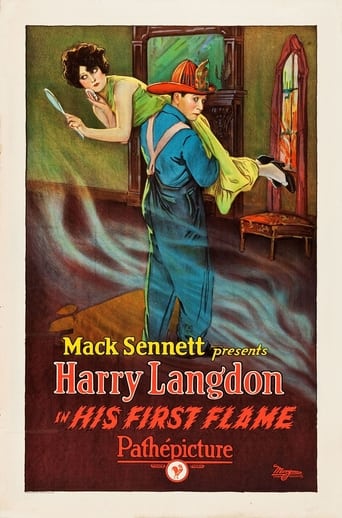
His First Flame
1927
The Old Barn
1929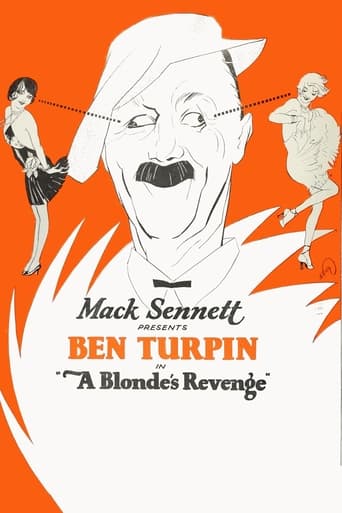
A Blonde's Revenge
1926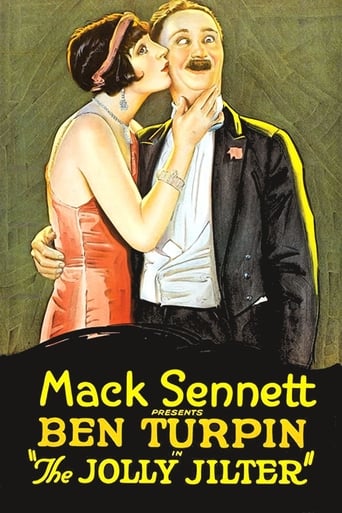
The Jolly Jilter
1927
Smith's Uncle
1926No Poster
Smith's Picnic
1926No Poster
Smith's Pony
1927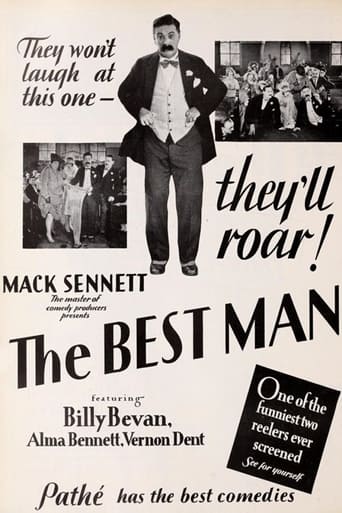
The Best Man
1928
The Campus Carmen
1928No Poster
A Dozen Socks
1927
Super-Hooper-Dyne Lizzies
1925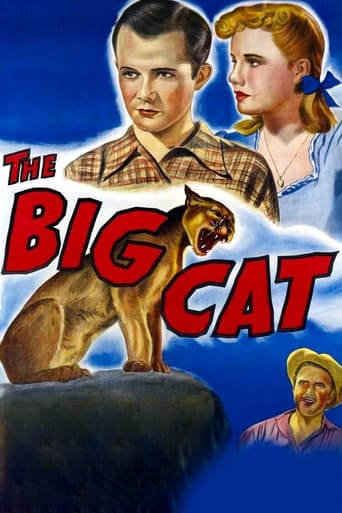
The Big Cat
1950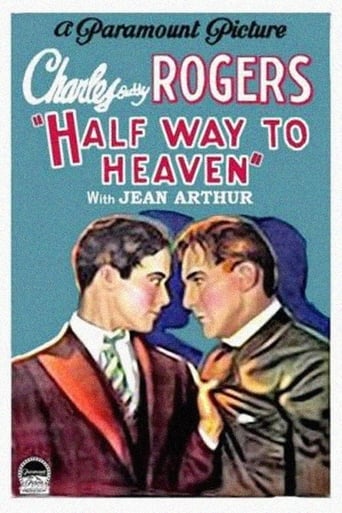
Half Way to Heaven
1929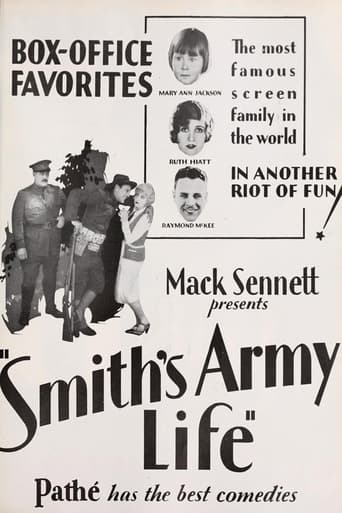
Smith's Army Life
1928About Irving Bacon
Remarkably prolific American character actor: the silent era through the Golden Age of Hollywood, appearing in over 500 films between 1925 and 1965. Born in Missouri in 1894, Bacon began his film career in the mid-1920s, initially appearing in short comedies and silent features before making a seamless transition to talkies. He developed a distinctive persona as the nervous, flustered everyman, often playing clerks, waiters, mail carriers, and other service workers who became exasperated by the film's main characters. Bacon worked with virtually every major studio and appeared alongside Hollywood's biggest stars, including James Stewart, Cary Grant, and John Wayne. His ability to deliver memorable performances in even the smallest roles made him recognizable faces in American cinema. Despite never achieving leading man status, his consistent work ethic and distinctive characterizations earned him steady employment and the respect of his peers. He continued working until his death in 1965, leaving behind an extraordinary legacy as one of Hollywood's most prolific supporting actors.
The Craft
On Screen
Bacon perfected the art of the nervous, anxious character who could become flustered at the slightest provocation. His physical comedy involved twitching, stammering, and frantic gestures that made his characters instantly recognizable. He had remarkable timing for both verbal and physical comedy, often stealing scenes with just a few lines of dialogue. His approach was naturalistic yet exaggerated enough to be memorable, creating characters audiences could both laugh at and sympathize with. Bacon specialized in playing the 'little guy' overwhelmed by circumstances, a role he embodied with authentic humanity.
Milestones
- Appeared in over 500 films during his 40-year career
- Successfully transitioned from silent films to talkies
- Became one of Hollywood's most recognizable bit players
- Worked with virtually every major studio
- Developed a signature persona as the nervous, flustered everyman
- Appeared in multiple Academy Award Best Picture winners
- Worked with legendary directors like Frank Capra, John Ford, and Billy Wilder
Best Known For
Iconic Roles
Must-See Films
Accolades
Special Recognition
- Hollywood Walk of Fame star (located at 1719 Vine Street)
Working Relationships
Worked Often With
Studios
Why They Matter
Impact on Culture
Irving Bacon's contribution to American cinema lies in his embodiment of the common man during Hollywood's Golden Age, representing the everyday person overwhelmed by larger forces in society. His consistent presence in hundreds of films made him a familiar face to generations of moviegoers, creating a sense of continuity and reliability in American cinema. Bacon's characters often served as the audience's surrogate, reacting to extraordinary circumstances with believable nervousness and confusion. His work helped establish the importance of character actors in creating fully realized cinematic worlds, proving that even the smallest roles could leave lasting impressions. In an era dominated by glamorous stars, Bacon represented the working-class backbone of American society, bringing authenticity and humanity to every film he appeared in.
Lasting Legacy
Irving Bacon's legacy endures through his extraordinary filmography, which serves as a comprehensive record of Hollywood's Golden Age. His ability to create memorable characters in brief appearances set a standard for character actors that continues to influence the industry today. Film historians and classic movie enthusiasts recognize him as. His work appears in many of the most celebrated American films, ensuring that new generations continue to discover his performances. Bacon's career demonstrates the vital importance of character actors in creating the rich, detailed worlds that make classic films so enduring. His Hollywood Walk of Fame star stands as a permanent tribute to his significant contributions to American cinema.
Who They Inspired
Bacon's approach to character acting influenced generations of performers who specialized in supporting roles, demonstrating how to create memorable characters with limited screen time. His naturalistic style of portraying nervous, anxious characters became a template for similar roles in subsequent films. Contemporary character actors often cite performers like Bacon as inspiration for maintaining professionalism and bringing depth to even the smallest roles. His work ethic and ability to work consistently across multiple studios and genres set a standard for reliability in the film industry. Bacon proved that character actors could achieve lasting recognition and respect without ever becoming leading men, paving the way for future generations of supporting performers.
Off Screen
Irving Bacon was married to actress Margaret Bacon (née Margaret Anderson), and they remained together until his death in 1965. The couple had one child together. Despite his prolific career and hundreds of film appearances, Bacon maintained a relatively private personal life away from the Hollywood spotlight. He was known among his colleagues as a reliable professional who took his craft seriously, regardless of the size of his role. Bacon lived in the Los Angeles area for most of his career and was active in the Hollywood community.
Education
Limited public information available about his formal education, though he likely attended schools in Missouri before beginning his acting career.
Family
- Margaret Bacon (née Margaret Anderson) (married until his death in 1965)
Did You Know?
- Appeared in over 500 films, making him
- Often played characters who were mail carriers, appearing as a postal worker in at least 20 different films
- His daughter reportedly said he could be nervous and flustered in real life, just like his characters
- Worked with both John Wayne and James Stewart in multiple films across different genres
- Appeared in four films that won the Academy Award for Best Picture
- Was a favorite of director Frank Capra, appearing in several of his films
- Despite his nervous on-screen persona, colleagues described him as calm and professional off-camera
- His filmography includes appearances in some of the most famous films noir, westerns, and comedies of the 1930s and 1940s
- Often played characters named 'Irv' or variations of his own name
- His final film appearance was in 'The Sons of Katie Elder' (1965), released after his death
In Their Own Words
(As a nervous character in various films) 'Oh dear, oh dear, what are we going to do now?' - This type of exasperated line became his signature delivery
When asked about his prolific career: 'I just show up when they call me, try to do my best, and then go home. It's been a good living.'
On playing nervous characters: 'I guess I just have one of those faces that looks worried all the time. It's been good for business.'
Frequently Asked Questions
Who was Irving Bacon?
Screen credits include over 500 films during Hollywood's Golden Age. He was known for playing nervous, flustered characters such as clerks, waiters, and mail carriers, becoming.
What films is Irving Bacon best known for?
Titles linked here include The Grapes of Wrath (1940), Mr. Smith Goes to Washington (1939).
When was Irving Bacon born and when did he die?
Born September 6, 1894; died February 5, 1965.
What awards did Irving Bacon win?
While Irving Bacon didn't receive major acting awards or nominations, he was honored with a star on the Hollywood Walk of Fame at 1719 Vine Street. His legacy lies in his extraordinary body of work rather than formal accolades.
What was Irving Bacon's acting style?
Bacon specialized in playing nervous, anxious characters who became easily flustered. His style involved physical comedy including twitching, stammering, and frantic gestures, combined with impeccable timing. He created authentic, sympathetic 'everyman' characters that audiences could both laugh at and relate to.
How many films did Irving Bacon appear in?
Irving Bacon appeared in more than 500 films throughout his career, making him. He worked consistently from 1925 until his death in 1965, appearing in multiple films each year during his peak period.
Did Irving Bacon work with famous directors?
Yes, Bacon worked with many legendary directors including Frank Capra, John Ford, Billy Wilder, Howard Hawks, and William Wyler. He was a particular favorite of Frank Capra, appearing in several of his most acclaimed films.