Smith's Pony
"The Smith's visit San Francisco to attend a horse show only to have."
Keys: Space play/pause · ←/→ 10s · F fullscreen · M mute · </> speed
About this film
The Smith's visit San Francisco to attend a horse show only to have their precocious daughter cause some minor comical mishaps and their over-sized canine refusing to obey commands.
Cast & crew
More films like this
More Comedy films
View all →







More from Raymond McKee
View all →
More about this film
About the production
Release dateNovember 6, 1927
ProductionMack Sennett Comedies, Pathé Exchange
Filmed inSan Francisco, California, Mack Sennett Studios, Hollywood, California
This film was part of the popular Smith Family comedy series produced by Mack Sennett during the mid-1920s. The production utilized actual locations in San Francisco to add authenticity to the horse show sequences. The oversized canine was played by a trained Great Dane named Duke, who was known for his ability to follow complex commands while appearing disobedient on screen. The film was shot during the summer of 1927 when San Francisco was hosting several real equestrian events, allowing the production to incorporate authentic horse show footage.
Themes
Family dynamicsChildhood mischiefAnimal companionshipUrban comedyClass and society
Themes & topics
horse showSan Franciscofamily vacationdisobedient dogprecocious childcomedy of errorssilent filmshort film
Historical background
Production circa 1927 meant fixed cameras, intertitles or early sound rigs, and studio economies that shaped every scene in Smith's Pony.
Why this film matters
Restorations and festival bookings keep Smith's Pony visible among classic-film communities.
Making of
The production of 'Smith's Pony' faced several challenges during filming in San Francisco. The Great Dane actor, Duke, would occasionally break character and follow commands perfectly, requiring multiple takes to achieve the desired 'disobedient' effect. Mary Ann Jackson, despite her young age, was a professional child actor who could perform complex physical comedy routines. The horse show scenes required careful coordination with real event organizers to avoid disrupting actual competitions. Director Raymond McKee utilized his experience as both actor and director to guide the comedy timing, often improvising scenes based on the spontaneous reactions of the animal actors. The film was shot quickly over three days to minimize costs, a typical production schedule for comedy shorts of this era.
What critics said
Audience data from 1927 is sparse; reception for Smith's Pony is inferred from reissue and archival interest.
Did you know?
- This was one of the final films in the Smith Family comedy series before the transition to sound began in Hollywood
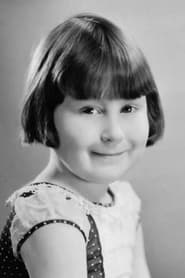
- Mary Ann Jackson, who played the precocious daughter, would later become famous as a regular in the Our Gang comedies
- The Great Dane in the film was so large that special camera angles had to be used to make the human actors appear proportionate
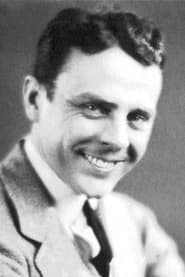
- Director Raymond McKee also starred in the film, a common practice in comedy shorts of this era
- The horse show sequences were filmed during an actual San Francisco equestrian competition, with real spectators visible in background shots
- The film's title 'Smith's Pony' is somewhat misleading as the story focuses more on the family dog than any pony
- This was one of the last silent comedies produced by Mack Sennett before his studio faced financial difficulties
- The film was originally released as part of a double bill with another Sennett comedy short
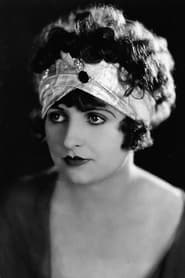
- Ruth Hiatt and Raymond McKee were married in real life during the time this film was made
- The film's negative was preserved in the Library of Congress collection in the 1970s
Visual style
The cinematography by Jack MacKenzie utilized the standard techniques of silent comedy filming, including wide shots to capture physical comedy and medium close-ups for character reactions. The San Francisco location shooting allowed for exterior scenes with natural lighting, creating a more authentic feel than studio-bound productions. The camera work during the horse show sequences demonstrated careful planning to avoid interfering with the actual event while capturing dynamic action. The film employed the typical 1.33:1 aspect ratio of the era and was shot on black and white film stock.
Music
As a silent film, 'Smith's Pony' would have been accompanied by live musical performance in theaters. The original cue sheets suggested light, comedic music for the family scenes, more frantic tempo during the mishap sequences, and majestic themes for the horse show portions. Typical theater orchestras would have used popular songs of 1927 as background music, with the score adapted to match the on-screen action. Some larger theaters might have employed sound effects technicians to create hoof beats, dog barks, and crowd noises to enhance the viewing experience.
Famous quotes
When the Smiths go to town, trouble follows close behind!
Even the best-behaved children (and dogs) can find mischief in San Francisco!
Memorable scenes
- The chaotic horse show sequence where the Great Dane wanders into the competition ring and causes the horses to react unexpectedly
- The daughter accidentally releasing all the horses from their stables creating a stampede through the show grounds
- The final scene where the family's mishaps inadvertently help win a prize at the competition
What audiences thought
The film was well-received by audiences in 1927, who enjoyed its wholesome family entertainment and slapstick comedy elements. Theater owners reported that the Smith Family shorts were reliable crowd-pleasers, especially in smaller markets where family-oriented content was preferred. The combination of human comedy, animal antics, and the relatable family dynamic made it popular with both children and adults. Audience letters to fan magazines of the era often mentioned the Smith Family films among their favorite comedy shorts, with particular appreciation for the adorable child character and the oversized dog.
Film connections
Influenced by
- The Smith Family comedy series
- Mack Sennett's slapstick tradition
- Hal Roach's family comedies
- Charlie Chaplin's family-themed shorts
This film influenced
- Our Gang comedy shorts
- The Little Rascals series
- Family comedy films of the 1930s
Film restoration
The film is preserved in the Library of Congress collection and has been digitally restored. A 35mm nitrate copy was discovered in the 1970s and transferred to safety stock. The restored version is available for archival viewing and occasional screenings at silent film festivals.
Where to watch
- Library of Congress reading rooms (by appointment)
- Silent film festivals and special screenings
- Archival streaming services specializing in classic films
- Film archives and university collections