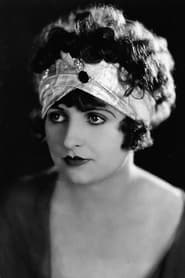
Ruth Hiatt
Actor
Born: January 6, 1906 in Pueblo, Colorado, USA Died: April 21, 1994 Active: 1926-1928
Films
7 films
About Ruth Hiatt
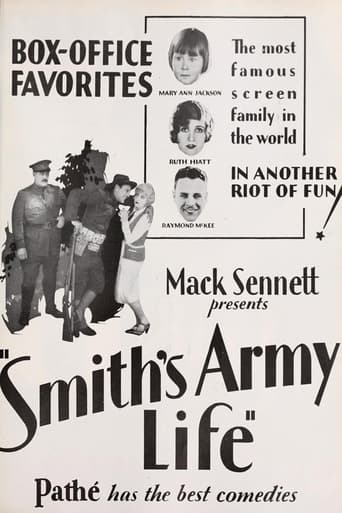
American actress who rose to prominence during the silent film era, specializing in comedy shorts. Born in Pueblo, Colorado, she began her film career in the mid-1920s and quickly became a familiar face in Mack Sennett's comedy productions. Hiatt was particularly known for her work in the popular 'Smith' comedy series, where she often played the female lead opposite various male comedians. Her expressive face and natural comedic timing made her a valuable asset in the fast-paced world of silent comedy production. Despite her brief career spanning only from 1926 to 1928, she appeared in numerous comedy shorts, establishing herself as a reliable supporting actress in the Sennett stable. Her career coincided with the transition from silent films to talkies, a period that saw many silent-era actors struggle to adapt. Like many performers of her era, Hiatt's film career faded with the advent of sound, and she largely disappeared from the public eye after her final film appearances in 1928.
The Craft
On Screen
Ruth Hiatt specialized in the broad, expressive acting style typical of silent film comedies. Her performances were characterized by exaggerated facial expressions, physical comedy skills, and the ability to convey emotion through gesture rather than dialogue. She excelled in playing the straight woman to male comedians while also demonstrating her own comedic talents. Her acting was perfectly suited to the fast-paced, gag-driven format of Mack Sennett's comedy shorts, where timing and visual humor were paramount.
Milestones
- Starred in the popular 'Smith' comedy series produced by Mack Sennett
- Appeared in over 20 comedy shorts during her brief career
- Worked with prominent silent comedy directors and actors
- Established herself as a reliable supporting actress in silent comedy
- Transitioned from bit parts to leading roles in comedy shorts
Best Known For
Iconic Roles
Must-See Films
Working Relationships
Worked Often With
Studios
Why They Matter
Impact on Culture
Ruth Hiatt represents the countless supporting actors who were essential to the silent comedy machine but whose names have largely faded from film history. Her work in the Smith comedy series contributed to the development of the short-form comedy format that would later influence television sitcoms. As part of Mack Sennett's roster of talent, she helped maintain the studio's reputation for producing quality comedy content during the competitive silent era. Her performances, while not groundbreaking, exemplified the ensemble approach to comedy that made Sennett's productions successful.
Lasting Legacy
Ruth Hiatt's legacy is that of a typical silent-era actress who found success in a specific niche but was unable to transition to sound films. Her filmography serves as a valuable record of the comedy short format that dominated early cinema. While she never achieved stardom, her consistent work in the Smith series demonstrates the importance of reliable supporting actors in creating successful comedy productions. Today, she is remembered primarily by silent film enthusiasts and historians who study the contributions of lesser-known performers to the golden age of comedy.
Who They Inspired
As a supporting actress rather than a star, Ruth Hiatt's direct influence on other performers was limited. However, her work exemplified the ensemble style of comedy that would become standard in both film and television. Her ability to play both straight woman and comedic roles showed the versatility required of silent film actors, setting an example for future generations of comedy performers who needed to adapt to various roles within ensemble casts.
Off Screen
Ruth Hiatt led a relatively private life outside of her brief film career. After retiring from acting in 1928, she largely disappeared from the public eye and lived away from Hollywood. She spent her later years in California, where she passed away in 1994 at the age of 88. Unlike many of her contemporaries, Hiatt did not seek publicity or attempt to return to entertainment after her film career ended.
Did You Know?
- Her entire film active years covered only three years (1926-1928)
- She appeared in at least 20 comedy shorts during her brief career
- Most of her films were part of the popular 'Smith' comedy series
- She worked exclusively with Mack Sennett's production company
- Like many silent actors, her career ended with the transition to sound films
- She was born in Colorado but moved to California to pursue acting
- Her films were typical of the two-reel comedy format popular in the 1920s
- She often played romantic interests or comic relief in male-dominated comedy shorts
- Many of her films are now considered lost, a common fate for silent shorts
- She retired from acting before reaching her 25th birthday
Frequently Asked Questions
Who was Ruth Hiatt?
American actress who worked in silent comedy shorts during the late 1920s, primarily for Mack Sennett's production company. She was best known for her appearances in the 'Smith' comedy series between 1926 and 1928.
What films is Ruth Hiatt best known for?
Titles linked here include Smith's Uncle (1926), Smith's Picnic (1926).
When was Ruth Hiatt born and when did she die?
Born January 6, 1906; died April 21, 1994.
What awards did Ruth Hiatt win?
Ruth Hiatt did not receive any major awards or nominations during her brief film career. She was a working actress in comedy shorts rather than a star who would typically receive industry recognition.
What was Ruth Hiatt's acting style?
Ruth Hiatt specialized in the expressive, physical comedy style typical of silent films. Her performances featured exaggerated facial expressions, physical gags, and the ability to convey humor through visual means rather than dialogue.
Why did Ruth Hiatt's career end so quickly?
Ruth Hiatt's career ended around 1928, likely due to the transition from silent films to talkies. Many silent-era actors, especially those in comedy shorts, found it difficult to adapt to sound films and their careers ended during this period.
Did Ruth Hiatt work with any famous comedians?
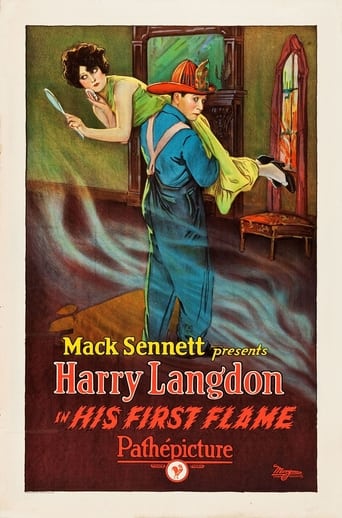
Yes, Ruth Hiatt worked with several notable silent comedians during her time at Mack Sennett's studio, including Harry Langdon and Billy Bevan, who were prominent figures in silent comedy.