


Smith's Picnic
"The Smith family ruins a beach picnic"
Keys: Space play/pause · ←/→ 10s · F fullscreen · M mute · </> speed
About this film
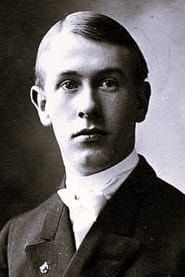
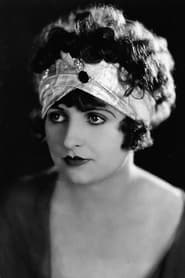
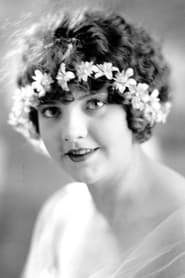
The accident-prone Smith family (Raymond McKee, Ruth Hiatt, and Mary Ann Jackson) head to the beach in this Mack Sennett comedy directed by Alf Goulding. There they spoil a picnic held by "The Optimist's' Club," quickly turning the members into pessimists. This reconstructed vers.
Cast & crew
More from Alfred J. Goulding
View all →

More about this film
About the production
Release dateMarch 14, 1926
Box officeNot documented (short films of this era rarely tracked individual box office returns)
ProductionMack Sennett Comedies
Filmed inSanta Monica, California, Malibu Beach, California
This film was part of the Smith Family comedy series, which ran from 1925-1928. The production utilized Mack Sennett's signature style of rapid-fire gags and physical comedy. Notably, different versions were created for international markets, with German prints containing more risqué material featuring Mildred June. The beach scenes were likely filmed on location rather than on studio sets, which was somewhat unusual for comedy shorts of this period.
Themes
Family dynamicsChaos vs. orderSocial satireThe comedy of disasterClass differences
Themes & topics
Historical background
Silent-era audiences encountered Smith's Picnic around 1926, as studios refined cross-cutting and star-driven storytelling.
Why this film matters
Smith's Picnic shows how silent filmmakers conveyed plot through gesture, title cards, and editing.
Making of
The production of 'Smith's Picnic' followed the efficient assembly-line approach that Mack Sennett had perfected for comedy shorts. Director Alfred J. Goulding, known for his work with Harold Lloyd, brought a more structured comedic timing to the Smith Family series compared to Sennett's earlier more chaotic style. The beach location filming presented unique challenges for the crew, including dealing with unpredictable weather conditions and managing equipment in sand and water. The casting of real-life couple Raymond McKee and Ruth Hiatt as the Smith parents added authentic chemistry to their on-screen relationship. For the international version, additional scenes with Mildred June were shot specifically to appeal to European markets that had different standards of acceptable content. The film's gags were meticulously rehearsed, as the physical comedy required precise timing and coordination to achieve maximum comic effect without actual injury to the performers.
What critics said
Press notices for Smith's Picnic (1926) are sparse in digitized sources; interest today rests on preserved prints and comparison with related titles.
Did you know?
- The Smith Family series was one of Mack Sennett's most successful comedy franchises of the mid-1920s, producing 24 shorts between 1925 and 1928
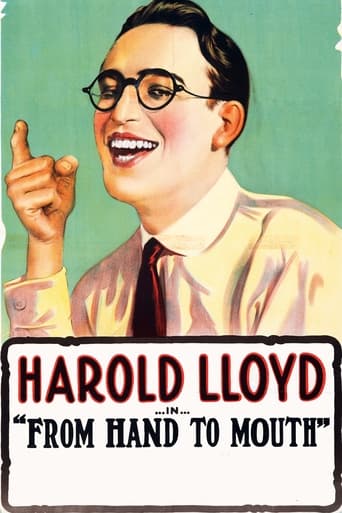
- Director Alfred J. Goulding was an Australian-born director who worked extensively with Harold Lloyd before joining Mack Sennett's studio
- Mary Ann Jackson, who played the Smith daughter, would later become better known as one of the original Our Gang kids in 1927
- The film's alternate version for German markets included scenes with starlet Mildred June in lingerie that were considered too risqué for American audiences
- Mack Sennett, known as the 'King of Comedy,' pioneered the slapstick comedy style that influenced generations of filmmakers
- The 'Optimist's Club' in the film was a parody of real-life self-improvement organizations that were popular in the 1920s
- Raymond McKee and Ruth Hiatt, who played the Smith parents, were married in real life from 1926 to 1931
- The beach setting allowed for elaborate water-based gags that were more expensive to film than typical studio-bound comedy shorts
- was released during the peak of silent comedy popularity, just before the transition to sound began in 1927
- The fishing pole gag that tears off Mildred June's bathing suit was considered quite daring for its time and contributed to the film's notoriety
Visual style
The cinematography in 'Smith's Picnic' was handled by Mack Sennett's regular cameramen, who specialized in capturing fast-paced comedy sequences. The beach location presented opportunities for dynamic outdoor shots that contrasted with the more static studio-bound comedies of the period. The camera work emphasized clear visibility of the physical gags, with wide shots often used to capture the full scope of the chaos. The photography employed the standard techniques of silent comedy, including exaggerated close-ups for comic reactions and carefully composed shots to highlight the slapstick action. The underwater and fishing sequences required special camera housing and techniques that were innovative for comedy shorts of this era.
Innovations
While 'Smith's Picnic' was not groundbreaking in its technical aspects, it demonstrated solid craftsmanship typical of quality Mack Sennett productions. The filming of water-based gags and fishing sequences required specialized equipment and techniques that were more complex than standard studio comedy filming. The coordination of multiple actors in the large picnic scenes showed efficient production planning. The creation of different versions for domestic and international markets demonstrated sophisticated post-production processes for the era. The film maintained good visual clarity despite the challenging outdoor lighting conditions at the beach location. The physical comedy sequences required precise timing between performers and camera work to achieve maximum comic effect.
Music
As a silent film, 'Smith's Picnic' would have been accompanied by live musical performance during its theatrical run. The typical score would have been compiled from standard photoplay music libraries, with selections matched to the on-screen action. Upbeat, lively compositions would have accompanied the comic sequences, while more dramatic or romantic themes might have been used for character moments. The beach setting would have suggested nautical or seaside-themed musical selections. Some larger theaters might have employed small orchestras, while smaller venues would have used a piano or organ. No original composed score was created specifically for this short film, which was standard practice for comedy shorts of this period.
Famous quotes
No dialogue recorded - silent film
Memorable scenes
- The climactic sequence where the Smith family's fishing pole accidentally catches and tears off Mildred June's bathing suit, creating chaos among the picnickers
- The opening scenes showing the Smith family's chaotic preparation for their beach outing
- The moment when the Optimist's Club members begin to lose their positive outlook due to the Smith family's disruptions
- The food fight that erupts when the Smiths accidentally destroy the carefully prepared picnic spread
What audiences thought
Audiences of 1926 generally responded well to 'Smith's Picnic' and other entries in the Smith Family series, as the films provided reliable entertainment during cinema programs that typically featured multiple shorts before the main feature. The relatable premise of a family outing gone wrong resonated with working-class and middle-class viewers who could recognize elements of their own family dynamics in the chaotic comedy. The beach setting was particularly appealing as it offered escapist entertainment and allowed for visually impressive gags. The series developed a loyal following, though it never achieved the level of popularity enjoyed by the biggest comedy stars of the era. The film's notoriety regarding the alternate European version also generated some buzz among film enthusiasts.
Film connections
Influenced by
- Mack Sennett's earlier Keystone comedies
- Harold Lloyd's comedy style
- The domestic comedy genre
- Previous Smith Family series entries
This film influenced
- Later Smith Family shorts
- Domestic comedy films of the late 1920s
- Early television family sitcoms
Film restoration
The film survives in incomplete form, with the American version existing in archives while the more risqué German version is considered lost or exists only in fragments. Some elements have been reconstructed from surviving prints and production stills. The film is preserved in part at the Library of Congress and through various film archives that hold Mack Sennett productions.
Where to watch
- Available on some silent film compilation DVDs
- Occasionally screened at silent film festivals
- Accessible through film archives and specialized cinema libraries
- Some portions may be available on internet archive sites specializing in public domain films