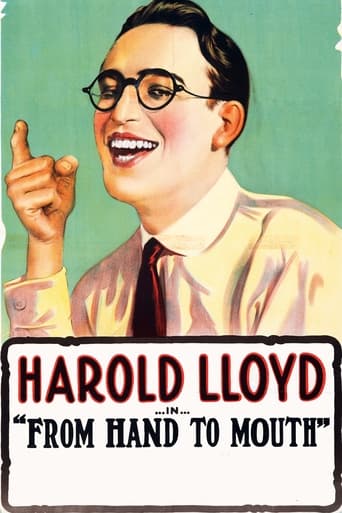
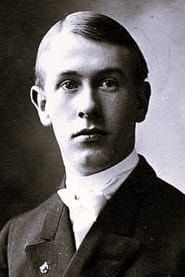
Alfred J. Goulding
Actor & Director
Born: January 29, 1891 in Melbourne, Victoria, Australia Died: January 25, 1975 Active: 1917-1937 Birth Name: Alfred John Goulding
Films
21 films
Look Pleasant, Please
1918
A Gasoline Wedding
1918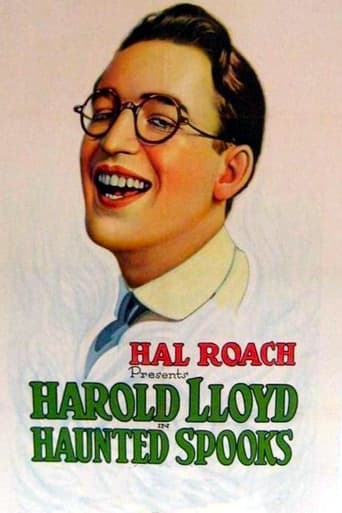
Haunted Spooks
1920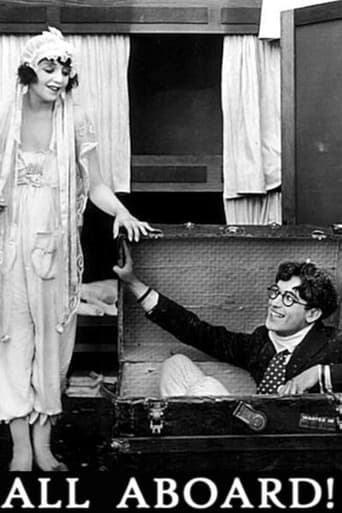
All Aboard
1917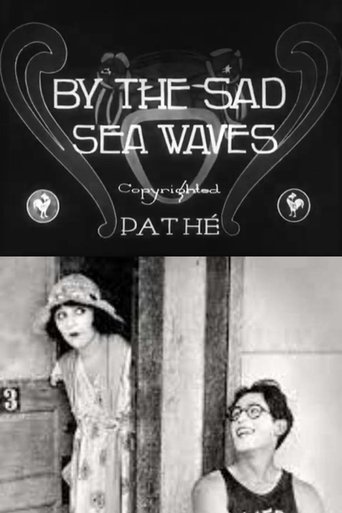
By the Sad Sea Waves
1917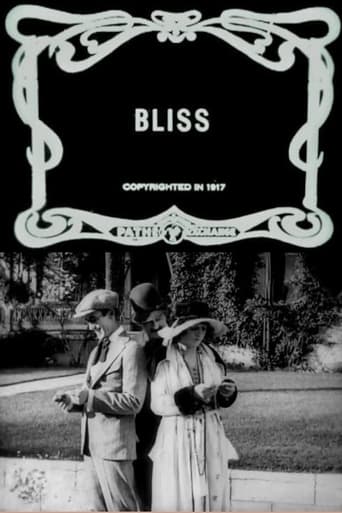
Bliss
1917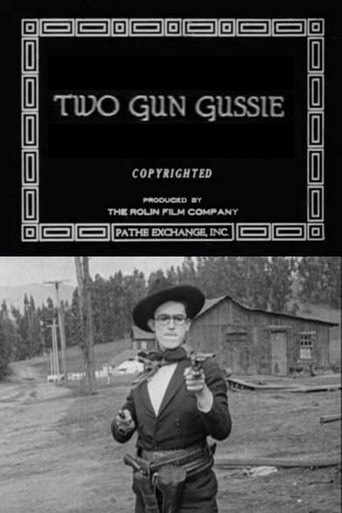
Two-Gun Gussie
1918
Ring Up the Curtain
1919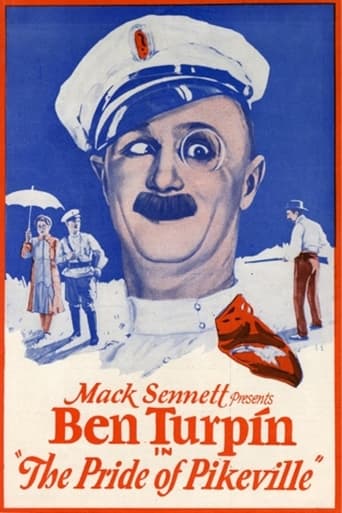
The Pride of Pikeville
1927No Poster
Smith's Picnic
1926
Run 'Em Ragged
1920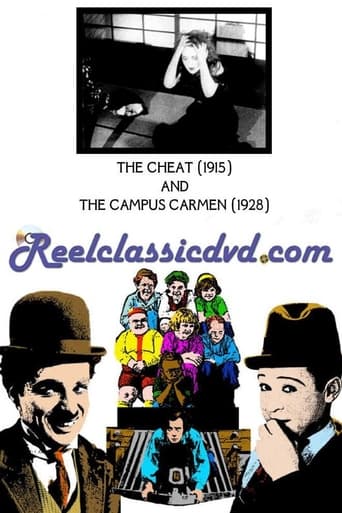
The Campus Carmen
1928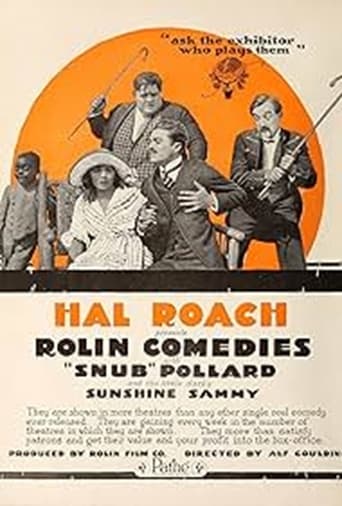
Park Your Car
1920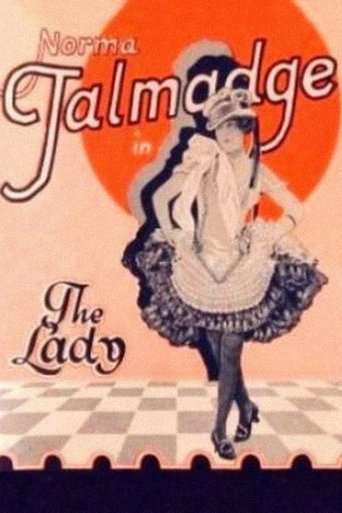
The Lady
1925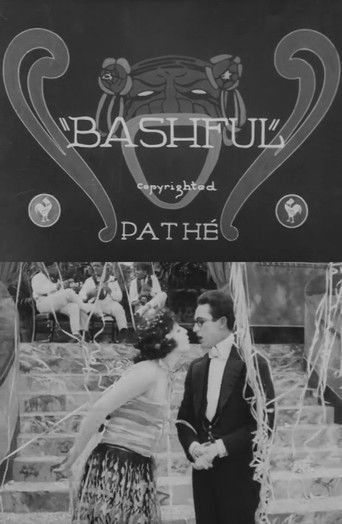
Bashful
1917
Hey There
1918
Take a Chance
1918
The Marathon
1919
Smith's Army Life
1928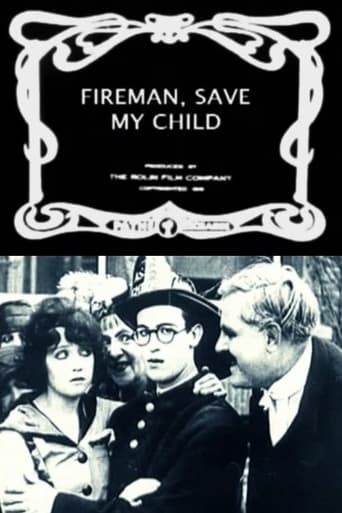
Fireman Save My Child
1918About Alfred J. Goulding
Alfred John Goulding — Australian-born film director and actor who became a significant figure in early Hollywood comedy, particularly during the silent era. Born in Melbourne in 1891, Goulding began his entertainment career in Australia before immigrating to the United States where he found success in the burgeoning film industry. He rose to prominence as one of Harold Lloyd's key collaborators during the comedian's formative years, directing numerous shorts that helped establish Lloyd's comedic persona and screen technique. Goulding's directorial work was characterized by its physical comedy, inventive sight gags, and efficient pacing that suited the short-form comedy format popular in the late 1910s. Beyond his work with Lloyd, Goulding directed films for other comedy stars including Snub Pollard and Stan Laurel, demonstrating his versatility across different comedic styles. His the transition from silent films to early talkies, though his most significant contributions came during the silent era. Goulding continued working in the film industry through the 1920s and 1930s, though his prominence diminished as the studio system evolved and sound revolutionized filmmaking.
The Craft
On Screen
As an actor, Goulding primarily appeared in supporting roles and bit parts, with his most notable appearance being in 'The Lady' (1925). His acting style was typical of the silent era, emphasizing expressive facial gestures and physical comedy techniques.
Behind the Camera
Goulding's directing style was characterized by rapid pacing, inventive sight gags, and a keen understanding of physical comedy. He excelled at creating comedic situations that maximized the talents of his performers, particularly Harold Lloyd. His approach emphasized visual storytelling over dialogue, making him well-suited to silent comedy where physical action and facial expressions were paramount.
Milestones
- Directed numerous Harold Lloyd comedy shorts (1917-1920)
- Helped establish Harold Lloyd's screen persona
- Directed films for other comedy stars including Snub Pollard
- Transitioned from silent films to early talkies
- Worked with major studios including Hal Roach Studios
Best Known For
Iconic Roles
Must-See Films
Accolades
Special Recognition
- contributor to early American comedy cinema
- Key collaborator in Harold Lloyd's early career development
Working Relationships
Worked Often With
Studios
Why They Matter
Impact on Culture
Alfred J. Goulding played a significant role in shaping early American comedy cinema through his work with Harold Lloyd and other comedy stars of the silent era. His direction helped establish the template for short-form comedy that would influence generations of filmmakers. The films he directed contributed to the development of visual comedy techniques that became staples of American cinema, including elaborate sight gags, physical comedy sequences, and the integration of everyday situations into comedic scenarios. His work during the transition from one-reel to feature-length comedies helped demonstrate how comedy could be sustained over longer running times.
Lasting Legacy
Goulding's legacy lies primarily in his contribution to Harold Lloyd's early career and the development of American silent comedy. While not as widely remembered as some of his contemporaries, his directorial work helped establish techniques and approaches to comedy filmmaking that would influence the industry for decades. The films he directed remain important examples of early American comedy and are studied by film historians for their innovative approaches to visual humor and narrative structure in short-form cinema.
Who They Inspired
Goulding influenced subsequent generations of comedy directors through his work on pacing, visual gags, and the integration of physical comedy with narrative storytelling. His collaboration with Harold Lloyd helped establish a model for director-comedian partnerships that would be replicated throughout Hollywood history. Directors like Frank Capra and Leo McCarey, who worked in comedy during the transition to sound, built upon techniques that Goulding helped pioneer during the silent era.
Off Screen
Goulding immigrated from Australia to the United States in the early 1910s, seeking opportunities in the growing American film industry. He became a naturalized American citizen and established himself in Hollywood, where he lived for the remainder of his life. His personal life was relatively private compared to many of his contemporaries in the film industry.
Education
Limited formal education in Australia; largely self-taught in filmmaking through practical experience in the early film industry
Family
- Dorothy Goulding (married 1920s-1930s)
Did You Know?
- Born in Melbourne, Australia, and was one of many Australians who found success in early Hollywood
- Directed over 50 films during his career, though many are now lost
- Was particularly skilled at directing comedy shorts, a format that required precise timing and efficiency
- Worked with Harold Lloyd during the comedian's transition from one-reel to two-reel comedies
- His directorial approach emphasized practical effects and real stunts rather than camera tricks
- Survived the transition from silent films to talkies, though his most significant work was in the silent era
- Often worked uncredited as a script doctor on comedy projects
- Was part of the Hal Roach Studios team that created some of the most influential comedy of the 1910s and 1920s
- His Australian background gave him a unique perspective on American culture that informed his comedic approach
- Continued working in the film industry well into the sound era, though primarily in lesser-known projects
In Their Own Words
Comedy is truth in a hurry
The best gags are the ones that seem to happen by accident
In silent comedy, the camera must be the narrator
Physical comedy is universal - it needs no translation
Frequently Asked Questions
Who was Alfred J. Goulding?
Australian-born on YTB.my. He was best known for directing numerous Harold Lloyd comedy shorts and was a significant contributor to early American comedy cinema.
What films is Alfred J. Goulding best known for?
Titles linked here include All Aboard (1917), By the Sad Sea Waves (1917).
When was Alfred J. Goulding born and when did he die?
Born January 29, 1891; died January 25, 1975.
What awards did Alfred J. Goulding win?
Alfred J. Goulding did not receive major formal awards during his career, though he is recognized by film historians as a contributor to early American comedy cinema and a key collaborator in Harold Lloyd's early career development.
What was Alfred J. Goulding's directing style?
Goulding's directing style was characterized by rapid pacing, inventive sight gags, and a keen understanding of physical comedy. He excelled at creating visual humor that maximized his performers' talents, particularly suited to the silent film format where expressive action was paramount.