
The Lady
"Adultery and inheritance test a British lady's resolve."
Keys: Space play/pause · ←/→ 10s · F fullscreen · M mute · </> speed
About this film
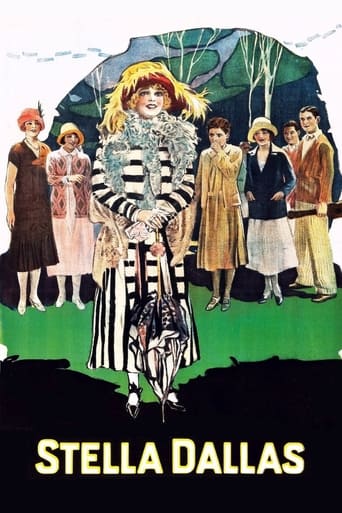
A young woman marries into British aristocracy only to face devastating circumstances. Her husband, the disinherited wastrel son of a nobleman, squanders their remaining fortune in gambling establishments before dying, leaving her destitute with their infant son. When her former father-in-law, the aristocrat who disowned his son, attempts to gain custody of her child, she makes the heart-wrenching decision to entrust her baby to a couple she believes she can trust. Years later, upon returning to reclaim her son, she discovers the couple has vanished without a trace, leaving her to embark on a…
Cast & crew
More films like this
More Drama films
View all →







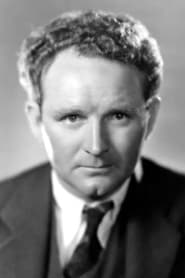
More from Frank Borzage
View all →
More about this film
About the production
Release dateNovember 8, 1925
ProductionNorma Talmadge Productions, First National Pictures
Filmed inLos Angeles, California, Hollywood Studios
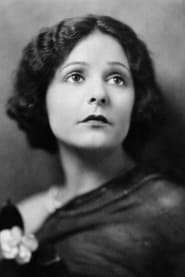
The Lady was produced during the peak of Norma Talmadge's career as one of the highest-paid actresses in Hollywood. The film was part of Talmadge's production deal with First National Pictures. The British aristocracy setting required elaborate period costumes and sets, reflecting the high production values associated with Talmadge's films. The production utilized the sophisticated studio system that had developed in Hollywood by the mid-1920s, allowing for efficient completion of the film within weeks.
Themes
Themes & topics
Historical background
The Lady (1925) reached screens through Norma Talmadge Productions. Exhibitors of the time built silent-era bills that mixed shorts, features, and live acts, so a clear premise helped The Lady travel between cities and exchange markets.
Why this film matters
Archivists and revival programmers still cite The Lady (1925) when tracing studio habits, casting pools, and the visual rhetoric audiences once took for granted. Even modest surviving prints help map how The Lady fit beside competing releases of its day.
Making of
The Lady was produced during a transitional period in Hollywood when studios were becoming more powerful and star-driven productions dominated the industry. Norma Talmadge had her own production company, giving her significant creative control over her projects. The film's emotional themes of motherhood and sacrifice were perfectly suited to Talmadge's dramatic acting style, which had made her. Director Frank Borzage, known for his sensitive handling of emotional material, brought his signature romantic visual style to the production. The elaborate costumes and sets required for the British aristocracy setting represented a significant investment, reflecting the high production values associated with Talmadge's name. The film was shot during the summer of 1925, with the studio system operating at peak efficiency, often completing productions like this in just a few weeks.
What critics said
Trade coverage around 1925 discussed The Lady for pacing, clarity, and program fit rather than blockbuster grosses. Later writers value it as evidence of period style and as a reference point beside other films from the same era.
Did you know?
- Norma Talmadge was one of the highest-paid actresses in Hollywood during the 1920s, earning approximately $10,000 per week at the height of her career
- The Lady was one of the last films Talmadge made before her career began to decline with the advent of sound pictures
- Director Frank Borzage would later win the first Academy Award for Best Director for '7th Heaven' (1927)
- The film's theme of maternal sacrifice and class struggle was common in melodramas of the mid-1920s
- Norma Talmadge's sister Constance Talmadge was also a major silent film star, often appearing in comedies while Norma specialized in dramatic roles
- The British setting was likely filmed on studio backlots in California, as was common practice for Hollywood productions of the era
- The film was released by First National Pictures, which would later merge with Warner Bros. in 1928
- Silent films of this era typically had live musical accompaniment in theaters, with scores often created specifically for each film
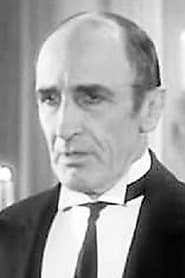
- Brandon Hurst, who played the aristocratic father-in-law, was a character actor who appeared in over 270 films between 1912 and 1947
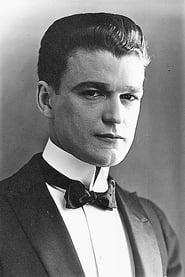
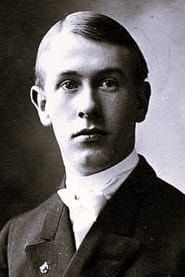
- Wallace MacDonald, who played the wastrel husband, would later become a successful film producer rather than continue his acting career
Visual style
The cinematography of The Lady reflects the sophisticated visual style that had developed in Hollywood by the mid-1920s. The film likely employed the use of soft focus lighting to enhance the emotional impact of key scenes, particularly those involving the protagonist's suffering and maternal devotion. The British aristocracy setting would have required elaborate set design and lighting to create the appropriate atmosphere of wealth and social hierarchy. Camera movement was probably limited by the technology of the time, but the cinematographer would have used careful composition and lighting to convey the emotional states of the characters. The visual storytelling would have relied heavily on close-ups to capture the subtle facial expressions that were crucial for conveying emotion in silent films.
Innovations
The Lady employed the standard film technology of 1925, including 35mm film stock and the lighting and camera equipment typical of the era. While not groundbreaking in its technical aspects, the film would have benefited from the rapid technological advances that had occurred in Hollywood during the early 1920s. The production likely used artificial lighting extensively to create the appropriate mood and atmosphere for the dramatic scenes. The editing techniques would have followed the continuity style that had become standard in Hollywood by this time, with careful attention to maintaining narrative clarity and emotional rhythm. The film's technical quality would have reflected the high production values associated with major star vehicles of the mid-1920s.
Music
As a silent film, The Lady would have been accompanied by live musical performance in theaters during its original release. The typical practice would have involved either a full orchestra in larger theaters or a piano or organ accompaniment in smaller venues. The musical score would have been compiled from existing classical pieces and popular songs, with selections chosen to match the emotional tone of each scene. Theaters often received cue sheets from the studios suggesting appropriate music for different moments in the film. The score would have heightened the emotional impact of key scenes, particularly those involving maternal sacrifice and loss. Unfortunately, specific details about the musical accompaniment for The Lady have not been preserved.
Famous quotes
As a silent film, The Lady contained no spoken dialogue. Any famous quotes would have appeared in intertitles, but specific intertitle text has not been preserved in available records.
Memorable scenes
- The climactic scene where the mother realizes she cannot find the couple she entrusted with her child, conveying her desperation and anguish through silent performance
- The gambling sequence where the wastrel husband loses the family's remaining money, showcasing the destructive power of addiction
- The emotional farewell scene where the mother leaves her infant with the trusted couple, highlighting the depth of her maternal sacrifice
What audiences thought
The Lady was generally well-received by audiences upon its release in 1925, particularly among Norma Talmadge's loyal fan base. The film's emotional themes and Talmadge's powerful performance resonated with moviegoers of the era, who appreciated the dramatic intensity and moral clarity of such melodramas. Box office returns were respectable, though not spectacular, reflecting the competitive nature of the film market in the mid-1920s. The film's themes of maternal sacrifice and family struggle struck a chord with audiences, particularly women, who were a significant portion of movie theater patrons during this period. Like many films of its era, The Lady benefited from the novelty of cinema as a medium and the public's insatiable appetite for new stories and star vehicles.
Film connections
Influenced by
- Other maternal melodramas of the 1920s
- Victorian literature themes
- Social problem films of the Progressive Era
This film influenced
- Later maternal melodramas
- Social issue films of the 1930s
Film restoration
The preservation status of The Lady (1925) is unclear, as many films from this era have been lost. Comprehensive records of silent film survival indicate that a significant percentage of films from the 1920s no longer exist in complete form. Without specific confirmation from film archives or preservation organizations, the current status of this particular film cannot be definitively determined. If copies do exist, they would likely be held in film archives or private collections dedicated to preserving cinema history.
Where to watch
- Due to the age and uncertain preservation status of The Lady (1925), it may not be currently available through conventional viewing channels. If the film survives, it might be accessible through specialized film archives, museum collections, or rare film screenings. Silent film enthusiasts and researchers might check with institutions like the Library of Congress, the Museum of Modern Art's film department, or the UCLA Film & Television Archive for potential viewing opportunities.