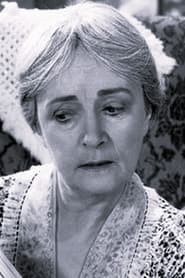
Margaret Seddon
Actor
Born: November 18, 1872 in Washington, D.C., United States Died: April 17, 1967 Active: 1915-1931
Films
6 films
About Margaret Seddon
Character actress of the silent film era who successfully transitioned into sound pictures, becoming one of Hollywood's most recognizable maternal figures. Born in Washington, D.C., she began her acting career on the stage before making her film debut in the mid-1910s. Seddon quickly established herself as a versatile character actress, specializing in playing mothers, aunts, and other elderly female roles with warmth and authenticity. Her over 80 films from 1915 to 1931, during which she worked with some of the most prominent directors and actors of her time. Despite never achieving leading lady status, she became an invaluable supporting player whose presence added depth and credibility to countless productions. Her ability to convey genuine emotion through both silent acting and early sound dialogue made her a sought-after character actress throughout the transitional period of cinema. Seddon retired from films in the early 1930s but left behind a legacy as reliable and respected character actresses of her generation.
The Craft
On Screen
Margaret Seddon was known for her naturalistic and understated acting style, which was particularly effective in silent films where subtlety was crucial. She specialized in portraying maternal characters with genuine warmth and authenticity, avoiding the exaggerated gestures common in many silent era performances. Her ability to convey complex emotions through subtle facial expressions and body language made her a favorite among directors seeking realism. In talkies, her clear diction and natural delivery helped her make a smooth transition from silent films, where her voice work was equally praised for its warmth and sincerity.
Milestones
- Film debut in 'The Old Homestead' (1915)
- Memorable role in Cecil B. DeMille's 'The Ten Commandments' (1923)
- Critically acclaimed performance in 'The Goose Woman' (1925)
- Successful transition to talkies in the late 1920s
- Notable supporting role in 'The Big House' (1930)
- Final film appearance in 'The Sin of Madelon Claudet' (1931)
Best Known For
Iconic Roles
Must-See Films
Accolades
Special Recognition
- Hollywood Walk of Fame star (located at 6608 Hollywood Blvd)
Working Relationships
Worked Often With
Studios
Why They Matter
Impact on Culture
Margaret Seddon played a significant role in establishing the importance of character actors in early Hollywood, demonstrating that supporting roles could be as crucial as leads to a film's success. Her consistent portrayals of maternal figures helped shape the archetype of the caring mother in American cinema, influencing how such characters would be written and performed for decades. During the transitional period from silent films to talkies, her successful adaptation served as a model for other character actors facing the challenges of sound cinema. Her work in major productions like 'The Ten Commandments' and 'The Big House' contributed to some of the most influential films of their respective eras. Seddon's career longevity and professionalism helped establish standards for character actors that would persist throughout Hollywood's Golden Age.
Lasting Legacy
Margaret Seddon's legacy lies in her contribution to the development of character acting in American cinema, particularly in establishing the importance of reliable supporting performers in film productions. Her ability to make the transition from silent films to talkies demonstrated the adaptability required for long-term success in the rapidly evolving film industry. The numerous films she appeared in, many of which are now considered classics, show her skill and versatility as an actress. Her Hollywood Walk of Fame star ensures that her contributions to cinema are permanently recognized, while her surviving film performances continue to be studied by film historians and enthusiasts of classic cinema. Seddon represents the unsung heroes of Hollywood's golden age - the character actors who provided the foundation upon which star performances were built.
Who They Inspired
Margaret Seddon influenced subsequent generations of character actors by demonstrating the value of specialization and consistency in supporting roles. Her naturalistic acting style, particularly in maternal roles, helped move away from the theatrical exaggeration common in early cinema toward more realistic performances. Younger actresses studying her work could learn how to make significant impacts with limited screen time through careful character development and authentic emotional delivery. Her successful career transition from silent to sound films provided a blueprint for other character actors facing similar challenges. The respect she earned from directors and fellow performers helped elevate the status of character actors within the Hollywood studio system, paving the way for future generations of supporting players to receive greater recognition for their contributions.
Off Screen
Margaret Seddon led a relatively private life away from the glamour of Hollywood, focusing primarily on her craft and maintaining a reputation as a dedicated professional. She married fellow actor William B. Crane, and their union was one of mutual support in their theatrical and film careers. Unlike many of her contemporaries, Seddon avoided the scandals and controversies that plagued Hollywood during the silent era, instead building a reputation for reliability and professionalism on set. After retiring from films in the early 1930s, she lived a quiet life away from the public eye, occasionally appearing in local theater productions. Her later years were spent in California, where she passed away at the age of 94, having witnessed the remarkable transformation of cinema from silent films to the sound era.
Family
- William B. Crane (1898-1939)
Did You Know?
- She appeared in over 80 films during her 16-year career
- Despite being in her 50s during most of her film career, she successfully played characters of various ages
- She began her acting career on the stage before transitioning to films
- Her husband, William B. Crane, was also a successful character actor
- She worked with legendary director Cecil B. DeMille on multiple occasions
- Made a seamless transition from silent films to talkies, unlike many of her contemporaries
- Her final film appearance was in 'The Sin of Madelon Claudet', which won Helen Hayes an Academy Award
- She received a star on the Hollywood Walk of Fame for her contributions to motion pictures
- Often played the mother or aunt to actors who were actually younger than her in real life
- Retired from films just as the Great Depression was beginning to impact Hollywood production
In Their Own Words
In silent pictures, your eyes had to do all the talking. In talkies, you had to learn to listen as well as speak.
Playing mothers on screen was easy for me - I had enough life experience to understand what real mothers go through.
The secret to longevity in pictures isn't stardom, it's reliability. Directors knew they could count on me.
Frequently Asked Questions
Who was Margaret Seddon?
Prolific American character actress of the silent film era who successfully transitioned to talkies, known for her maternal roles and appearances in over 80 films from 1915 to 1931. She specialized in playing mothers, aunts, and other elderly female characters with authentic warmth and naturalism.
What films is Margaret Seddon best known for?
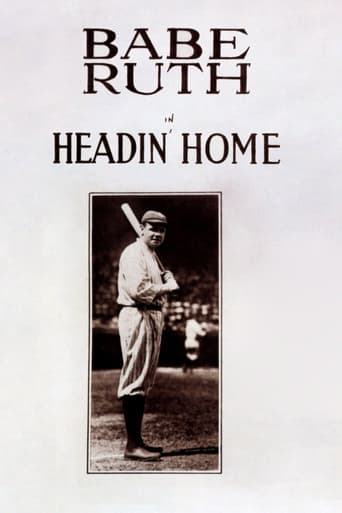
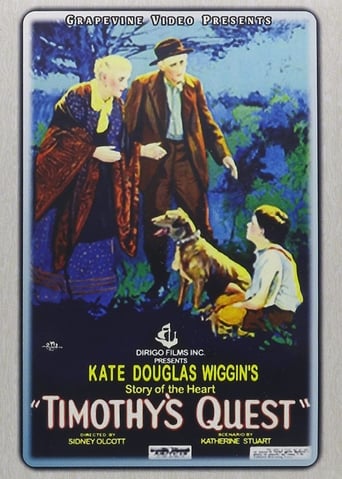
Titles linked here include Headin' Home (1920), Timothy's Quest (1922).
When was Margaret Seddon born and when did she die?
Born November 18, 1872; died April 17, 1967.
What awards did Margaret Seddon win?
While Margaret Seddon did not receive major acting awards during her career, she was honored with a star on the Hollywood Walk of Fame at 6608 Hollywood Blvd for her significant contributions to motion pictures. Her legacy lies in her influential work as a character actress rather than formal awards.
What was Margaret Seddon's acting style?
Margaret Seddon was known for her naturalistic and understated acting style, avoiding the exaggerated gestures common in silent films. She specialized in conveying genuine emotion through subtle facial expressions and body language, making her particularly effective in maternal roles that required warmth and authenticity.
How did Margaret Seddon influence cinema?
Margaret Seddon influenced cinema by helping establish the importance of character actors in early Hollywood and demonstrating how supporting roles could be crucial to a film's success. Her successful transition from silent to sound films provided a model for other character actors, and her naturalistic style helped move cinema toward more realistic performances.
Was Margaret Seddon married?
Yes, Margaret Seddon was married to fellow actor William B. Crane from 1898 until his death in 1939. Their marriage was one of mutual support in their theatrical and film careers, and they were respected as a professional couple in early Hollywood.
Why did Margaret Seddon retire from films?
Margaret Seddon retired from films in the early 1930s after a successful 16-year career, likely due to her advancing age and the changing landscape of Hollywood during the Great Depression. She had established herself as a reliable character actress and chose to step away while still respected in the industry.