
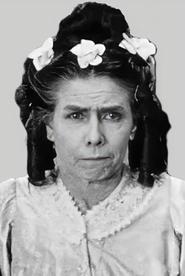


Timothy's Quest
"Two Boston orphans seek a home in rural Maine."
Keys: Space play/pause · ←/→ 10s · F fullscreen · M mute · </> speed
About this film
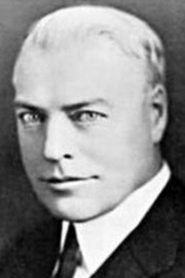
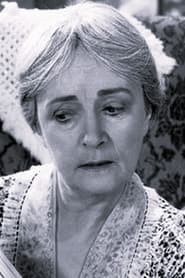
Timothy and Gay, orphans from the slums of Boston, escape to Maine in search of a home and manage to thaw Avilda's embittered, grief-stricken heart. A charming pastoral about two unwanted children finding acceptance and love.
Cast & crew
More films like this


More Drama films
View all →







More from Sidney Olcott
View all →



More about this film
About the production
Release dateJanuary 1922
ProductionSidney Olcott Productions
Filmed inMaine, Boston, Massachusetts
The film was adapted from Kate Douglas Wiggin's popular 1890 novel of the same name. Director Sidney Olcott, known for his work with the Kalem Company and his early location filming in Ireland, brought his expertise in outdoor cinematography to the Maine settings. The production utilized authentic New England locations to enhance the pastoral atmosphere central to the story.
Themes
Orphanhood and found familyRedemption through loveHealing from griefRural innocence vs. urban corruptionThe transformative power of children
Themes & topics
Historical background
Timothy's Quest (1922) reached screens through Sidney Olcott Productions. Exhibitors of the time built silent-era bills that mixed shorts, features, and live acts, so a clear premise helped Timothy's Quest travel between cities and exchange markets.
Why this film matters
Archivists and revival programmers still cite Timothy's Quest (1922) when tracing studio habits, casting pools, and the visual rhetoric audiences once took for granted. Even modest surviving prints help map how Timothy's Quest fit beside competing releases of its day.
Making of
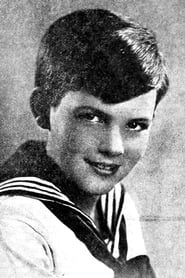
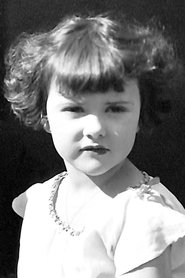
Sidney Olcott brought his extensive experience with location filming to 'Timothy's Quest,' choosing to shoot on location in Maine rather than on studio backlots to achieve greater authenticity. The production faced challenges typical of early 1920s filmmaking, including transporting heavy equipment to remote rural locations and dealing with unpredictable weather conditions. Child actors Joseph Depew and Marie L. Day required careful direction to convey the emotional depth of their characters without the benefit of dialogue. Olcott worked closely with his cinematographer to capture the stark beauty of the Maine landscape, using natural light to enhance the pastoral atmosphere. The film's emotional scenes, particularly those depicting the children's loneliness and Avilda's gradual transformation, required meticulous planning and multiple takes to achieve the desired silent-era dramatic effect.
What critics said
Trade coverage around 1922 discussed Timothy's Quest for pacing, clarity, and program fit rather than blockbuster grosses. Later writers value it as evidence of period style and as a reference point beside other films from the same era.
Did you know?
- The film was based on a novel by Kate Douglas Wiggin, who was also famous for writing 'Rebecca of Sunnybrook Farm'
- Director Sidney Olcott was a pioneering filmmaker who established one of the first permanent film studios in the United States
- Joseph Depew, who played Timothy, was a child actor who appeared in several silent films during the early 1920s
- The film was part of a wave of sentimental family dramas that were popular in the early 1920s
- Sidney Olcott was particularly known for his skill in location shooting, which he employed extensively in the production
- The original novel was considered progressive for its time in its portrayal of orphan children and social issues
- This was one of the last films directed by Olcott during his most productive period
- The film's rural Maine setting was unusual for Hollywood productions of the era, which often preferred California locations
- The story had been previously adapted for the stage before the production version
- The film's themes of redemption and found family resonated strongly with post-World War I audiences
Visual style
The cinematography of 'Timothy's Quest' utilized natural lighting and authentic New England locations to create a visually authentic pastoral atmosphere. The film employed the techniques of outdoor location shooting that Sidney Olcott had helped pioneer, capturing the seasonal beauty of Maine's landscape to enhance the emotional narrative. The visual contrast between the dark, cramped scenes depicting Boston slums and the open, sunlit rural settings of Maine served as a visual metaphor for the characters' journey from despair to hope. The cinematographer used soft focus techniques for emotional scenes, particularly those involving the children, creating a dreamlike quality that emphasized their innocence. The film's visual storytelling demonstrated the sophisticated techniques that had been developed in silent cinema by the early 1920s.
Innovations
While 'Timothy's Quest' did not introduce groundbreaking technical innovations, it demonstrated the sophisticated filmmaking techniques that had become standard by 1922. The film's use of location shooting in relatively remote Maine locations showcased the increasing mobility of film production companies and their ability to shoot outside the studio system. The cinematography employed advanced techniques for the period, including effective use of natural lighting and compositional strategies that enhanced the emotional impact of scenes. The film's editing demonstrated the narrative sophistication that had developed in silent cinema, using intertitles judiciously while relying primarily on visual storytelling to convey the plot and character development.
Music
As a silent film, 'Timothy's Quest' would have been accompanied by live musical performance during its original theatrical run. The score would typically have been provided by a theater organist or small orchestra, following the mood and action of the film. The music would have emphasized the emotional moments, particularly the scenes depicting the children's loneliness and Avilda's transformation. While no specific composer for the original score is documented, the musical accompaniment would have drawn from popular classical pieces and stock music libraries common to the era. Modern screenings of the film, when available, are typically accompanied by newly composed scores or period-appropriate music that reflects the film's emotional journey and pastoral setting.
Famous quotes
Two little hearts seeking a home found one in the most unexpected place.
In the innocence of children lies the power to heal the deepest wounds.
Memorable scenes
- The opening sequence depicting the harsh reality of life in Boston's slums, establishing the children's motivation to escape
- The moment Timothy and Gay first arrive in Maine, with the camera capturing their wonder at the open landscape
- Avilda's initial cold rejection of the children, showcasing her hardened grief
- The pivotal scene where Avilda's heart begins to soften as she observes the children's innocent play
- The emotional climax where Avilda fully accepts the children as her own, completing her transformation
What audiences thought
Audiences of 1922 responded warmly to 'Timothy's Quest,' finding emotional resonance in its story of orphaned children finding love and acceptance. The film's wholesome themes and emotional journey appealed to family audiences seeking uplifting entertainment during the post-war period. Contemporary accounts suggest that viewers were particularly moved by the transformation of Avilda's character and the children's perseverance in the face of hardship. The film's rural setting and emphasis on traditional values resonated with audiences who may have been experiencing rapid urbanization and social change. While not a blockbuster by contemporary standards, the film found its audience among those who appreciated sentimental dramas and stories of moral redemption.
Film connections
Influenced by
- Kate Douglas Wiggin's novel 'Timothy's Quest'
- Contemporary social reform literature
- Pastoral literary tradition
- Silent era family drama conventions
Film restoration
The preservation status of 'Timothy's Quest' (1922) is uncertain, with no known complete copies held by major film archives. Like many silent films from this period, it may be partially or completely lost. Fragments or prints may exist in private collections or smaller archives, but there is no widely accessible version of the film available for viewing. The film is listed as lost or missing in several film databases, reflecting the unfortunate fate of many silent-era productions due to the volatile nature of early nitrate film stock and lack of systematic preservation efforts in the early decades of cinema.
Where to watch
- No current viewing options available - film appears to be lost or in private collections
- Potential screenings at silent film festivals if a print surfaces
- Film archives may have information on existing copies - contact Library of Congress, UCLA Film & Television Archive, or George Eastman Museum