Carrie Clark Ward
Actor
Born: January 9, 1862 in Virginia, United States Died: February 6, 1926 Active: 1911-1926
Films
3 films
About Carrie Clark Ward
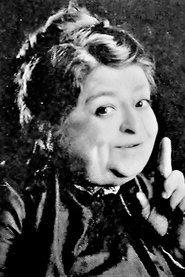
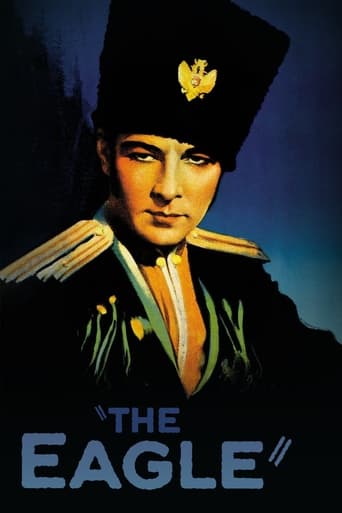
Character actress of the silent film era who brought depth and authenticity to maternal and elderly roles throughout her prolific career. Born in Virginia in 1862, she began her performing career on the legitimate stage before transitioning to motion pictures in the early 1910s, bringing with her years of theatrical experience that enriched her screen performances. Ward quickly established herself as a reliable character player, appearing in over 150 films between 1911 and 1926, often cast as mothers, grandmothers, or comic relief characters due to her matronly appearance and expressive capabilities. She worked with some of the biggest stars of the silent era, including Rudolph Valentino in 'The Eagle' (1925) and Lon Chaney in 'The Phantom of the Opera' (1925), demonstrating her versatility across different genres from melodramas to comedies. Her performances were characterized by a naturalistic style that stood out in an era often dominated by exaggerated gestures and expressions. Ward continued working steadily until her death in 1926, leaving behind a substantial body of work that exemplified the important supporting roles that character actors played in early cinema. Her the crucial transitional years when filmmaking was evolving from short subjects to feature-length productions.
The Craft
On Screen
Naturalistic and understated for the silent era, Ward brought theatrical gravitas to her character roles without the exaggerated gestures common in early cinema. Her performances were marked by subtle facial expressions and authentic emotional delivery, particularly in maternal roles where she conveyed warmth and wisdom through nuanced acting techniques.
Milestones
- Stage career before entering films
- Transition to motion pictures in early 1910s
- Appeared in over 150 films
- Worked with major stars like Rudolph Valentino and Lon Chaney
- Notable roles in 'The Eagle' (1925) and 'The Phantom of the Opera' (1925)
Best Known For
Iconic Roles
Must-See Films
Working Relationships
Worked Often With
Studios
Why They Matter
Impact on Culture
Carrie Clark Ward represents the important yet often overlooked character actors who provided the foundation for silent film narratives. Her work exemplified how supporting performers could elevate films through authentic, believable portrayals that grounded more fantastical elements of early cinema. Ward's transition from stage to film demonstrated the valuable skills theatrical performers brought to the new medium, helping establish acting techniques that would influence film performance for decades. Her extensive filmography also serves as a valuable record of the types of roles available to mature women in early Hollywood.
Lasting Legacy
Though not a household name today, Carrie Clark Ward's legacy lives on through her extensive body of work preserved in silent film archives. Her performances in films with major stars like Rudolph Valentino and Lon Chaney ensure her continued recognition among film historians and silent cinema enthusiasts. Ward exemplifies the professional character actors who were essential to the film industry's development, bringing credibility and emotional depth to supporting roles that enhanced the overall quality of silent era productions.
Who They Inspired
Ward influenced subsequent generations of character actors through her naturalistic approach to silent film performance, demonstrating that subtlety could be more effective than exaggeration. Her work in mother and grandmother roles helped establish archetypes that would continue throughout Hollywood's Golden Age. Younger actors who worked with her benefited from her theatrical experience and professional approach to filmmaking during its formative years.
Off Screen
Carrie Clark Ward maintained a relatively private personal life despite her extensive film career. Born in Virginia during the Civil War era, she came from a theatrical background that influenced her career choice. She never married and dedicated her life entirely to her craft, moving from the East Coast to California to pursue opportunities in the burgeoning film industry. Ward lived in the Los Angeles area during her most productive years in cinema and was known among her colleagues as a professional and dedicated performer.
Education
Educated in Virginia; likely received theatrical training through stage experience rather than formal education
Did You Know?
- Appeared in over 150 films during her 15-year film career
- Began her career on the stage before transitioning to films
- Often typecast in maternal roles due to her matronly appearance
- Worked with both Rudolph Valentino and Lon Chaney, two of the biggest silent film stars
- Had a small but memorable role in the classic 'The Phantom of the Opera' (1925)
- Was 49 years old when she began her film career, relatively old for a film debut
- Died just one year after appearing in 'The Eagle', one of her most famous films
- Never married, dedicating her life entirely to her acting career
- Her active years covered the crucial years when cinema evolved from shorts to feature films
- Often worked with director Clarence Brown
- Appeared in both American and European co-productions
- Was part of the transition generation that brought stage techniques to early cinema
In Their Own Words
No documented famous quotes from Carrie Clark Ward are available from historical records, as was common for supporting character actors of the silent era who rarely gave interviews or had their words preserved in print media.
Frequently Asked Questions
Who was Carrie Clark Ward?
Screen credits include over 150 films between 1911 and 1926. She was known for her naturalistic acting style and frequent portrayals of maternal figures and elderly women in films starring major silent era actors like Rudolph Valentino and Lon Chaney.
What films is Carrie Clark Ward best known for?
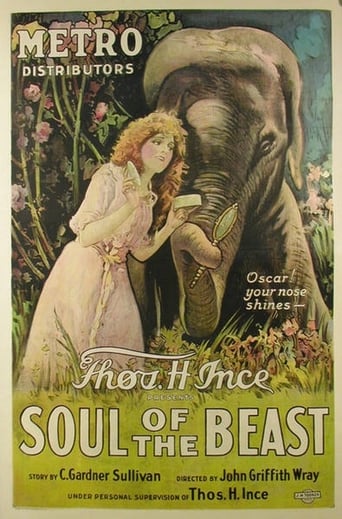
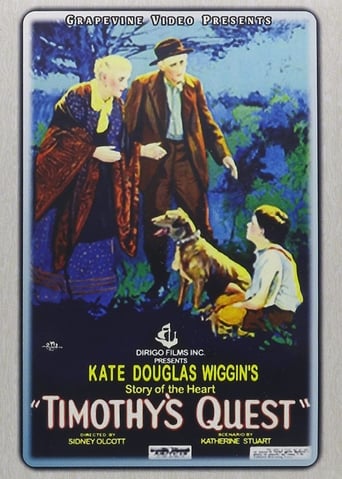
Titles linked here include Timothy's Quest (1922), Soul of the Beast (1923).
When was Carrie Clark Ward born and when did she die?
Born January 9, 1862; died February 6, 1926.
What awards did Carrie Clark Ward win?
Carrie Clark Ward did not receive any major awards or nominations during her career, as was common for character actors in the silent film era. The Academy Awards were not established until 1929, three years after her death, and supporting actor categories were not introduced until later years.
What was Carrie Clark Ward's acting style?
Carrie Clark Ward was known for her naturalistic and understated acting style that contrasted with the exaggerated performances common in silent cinema. Drawing from her theatrical background, she brought authenticity to her character roles through subtle facial expressions and emotional depth, particularly excelling in maternal and grandmotherly characters.
How did Carrie Clark Ward transition from stage to film?
Carrie Clark Ward began her career as a stage actress, gaining valuable theatrical experience before transitioning to motion pictures in the early 1910s at the age of 49. Her stage background provided her with the acting techniques that made her a valuable character actor in the new medium of cinema during its formative years.