Soul of the Beast
"Ten tons of loyalty in the north woods"
Keys: Space play/pause · ←/→ 10s · F fullscreen · M mute · </> speed
About this film
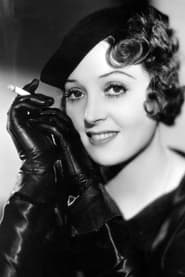
Ruth Lorrimore, played by Madge Bellamy, escapes her abusive circus-owner stepfather with Oscar, a trained elephant who has been her only ally in the big top. They flee into the Canadian woods, where Ruth meets Paul Nadeau, a crippled violinist saving money for surgery while fending off the bullying Caesar Durand. Oscar intervenes in the climactic knife fight and canoe chase, allowing Ruth and Paul to marry while the elephant rocks their cradle.
Cast & crew
More films like this


More Drama films
View all →







More from John Griffith Wray
View all →

More about this film
About the production
Release date1923
ProductionThomas H. Ince Productions
Filmed inLikely filmed at Ince Studios in Culver City, California
Directed by John Griffith Wray during his productive period with Thomas H. Ince Productions. The film combined elements of circus drama with northwoods adventure, a somewhat unusual genre combination for the era. As with many silent films of this period, it was likely shot on studio sets rather than on location in actual northern forests.
Themes
Themes & topics
Historical background
Silent-era production in 1923 relied on intertitles, live accompaniment, and studio systems that were rapidly consolidating into national industries. Archival sources describe Soul of the Beast as 1923 film. Contemporary context can be traced through sources such as the Wikipedia article on Soul of the Beast.
Why this film matters
Soul of the Beast remains part of the screen heritage of its era, offering evidence of prevailing genres, production methods, and audience tastes. Later revivals, archive screenings, and digitization have kept such titles accessible to researchers and dedicated viewers long after their first commercial runs.
Making of
The production of Soul of the Beast took place during Thomas H. Ince's later years as a producer, before his death in 1924. John Griffith Wray was a trusted director within the Ince organization, having directed several films for the company. The casting of Madge Bellamy reflected her status as a popular leading lady of the early 1920s. The circus setting would have required elaborate sets and possibly some animal performers, typical of productions that wanted to offer visual spectacle to audiences. As with most silent films, the performances would have been highly physical and expressive, relying on gesture and facial expression rather than dialogue.
What critics said
Trade and newspaper reviews from the silent period for Soul of the Beast survive only in fragments, making precise reception history difficult to reconstruct. Modern assessment tends to emphasize historical value, craft, and cultural context rather than box-office performance.
Did you know?
- The film was directed by John Griffith Wray, who was a prolific director during the silent era, working primarily for Thomas H. Ince Productions
- Madge Bellamy was one of the leading actresses of the early 1920s, known for her work in both dramatic and romantic roles
- Noah Beery, who appears in the film, was the father of actor Noah Beery Jr. and brother of Wallace Beery, making him part of a prominent acting family
- Thomas H. Ince Productions was one of the major independent production companies of the silent era, known for quality productions
- The combination of circus and northwoods settings was relatively unusual for films of this period
- 1923 was during the peak of the silent film era, just a few years before the transition to sound began
- The film represents the type of programmer feature that was common during this period - not an epic production but a solid entertainment vehicle
- Circus-themed films were popular in the 1920s as they offered visual spectacle and dramatic possibilities inherent in the traveling show business world
Visual style
The cinematography would have employed standard silent film techniques of the early 1920s, likely using stationary cameras with some movement. The circus setting would have offered opportunities for visually interesting shots of performers, tents, and possibly animals. The northwoods setting, whether created on sets or through backdrops, would have been filmed to create atmosphere appropriate to the story. As with most films of this period, it would have been shot in black and white, using lighting techniques to create mood and highlight the dramatic elements of the circus environment.
Innovations
Soul of the Beast does not appear to have been noted for any particular technical achievements or innovations. As a typical programmer feature of 1923, it would have used standard production techniques of the period. The circus setting might have required some special set construction or matte work to create the illusion of circus performances, but these would have been standard for the era. The film represents the solid craftsmanship of Thomas H. Ince Productions rather than technical experimentation.
Music
As a silent film, Soul of the Beast would have been accompanied by live musical performance in theaters. The score would have been compiled from standard photoplay music libraries, with selections chosen to match the mood of each scene - romantic themes for love scenes, dramatic music for conflicts, and possibly circus-themed music for performance sequences. Larger theaters might have had small orchestras, while smaller venues would have used a piano or organ. The musical accompaniment would have been crucial to conveying emotion and advancing the narrative without dialogue.
Memorable scenes
- Circus performance sequences
- Northwoods adventure scenes
- Romantic encounters between lead characters
What audiences thought
Audience reception information for Soul of the Beast is not well documented, which was common for modest productions of the era. As a film featuring popular star Madge Bellamy and combining the popular elements of circus drama with northwoods adventure, it likely found its intended audience among regular filmgoers of the period. The film would have been part of a typical theater program, possibly paired with a short subject and newsreel, serving as solid entertainment rather than a must-see event picture.
Film connections
Influenced by
- Other circus films of the early 1920s
- Northwoods adventure films
- Thomas H. Ince production style
Film restoration
The preservation status of Soul of the Beast (1923) is unclear. Many silent films from this period, particularly programmer features from independent producers like Thomas H. Ince, have been lost. The film may exist in archives or private collections, but it is not widely available for viewing. Complete records of silent film survival are not comprehensive, and some films thought lost are occasionally rediscovered in archives or foreign collections.
Where to watch
- Currently not widely available for viewing
- May exist in film archives such as the Library of Congress or UCLA Film & Television Archive
- Potentially accessible through specialized silent film preservation societies or archives