Films
3 films
About Harry L. Rattenberry
American actor who worked during the silent film era, primarily in the early 1920s. His career, though brief, spanned from 1919 to 1923, during which he appeared in several notable productions of the period. He worked alongside some of the emerging stars of the time, including appearing in films featuring early Hollywood icons. Rattenberry was part of the supporting cast system that was crucial to the studio productions of the silent era, often playing character roles that added depth to the main narratives. His filmography, while not extensive, includes work in both comedy and drama genres, showcasing his versatility as a character actor. Like many actors of his era, his career was likely affected by the transition to sound films in the late 1920s. His contributions, though not widely documented, represent the work of the countless dedicated actors who formed the backbone of early Hollywood cinema.
The Craft
On Screen
As a character actor during the silent era, Harry L. Rattenberry would have employed the exaggerated physical acting style typical of the period, using facial expressions, gestures, and body language to convey emotions and character traits without dialogue. His roles in both comedy and drama suggest versatility in adapting his performance style to different genres.
Milestones
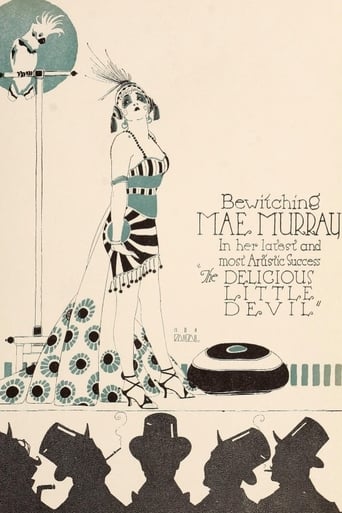
- Appeared in 'The Delicious Little Devil' (1919) during the early years of his career
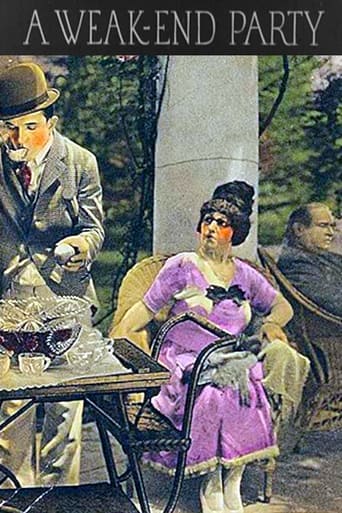
- Worked in the comedy short 'The Weak-End Party' (1922)
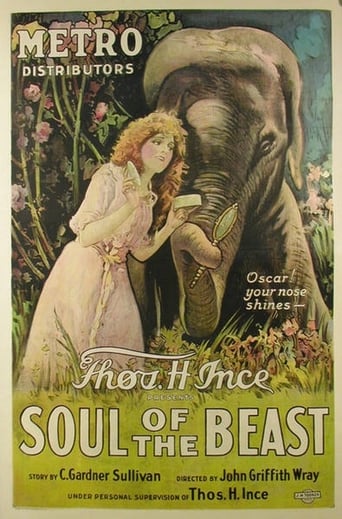
- Featured in the drama 'Soul of the Beast' (1923)
- Part of the supporting cast system in early Hollywood
- Worked during the transition period of silent cinema
Best Known For
Iconic Roles
Must-See Films
Why They Matter
Impact on Culture
Harry L. Rattenberry represents the countless character actors and supporting players who were essential to the machinery of early Hollywood cinema. While not a major star, his contributions to films like 'The Delicious Little Devil' helped create the silent era productions that entertained audiences worldwide. His work exemplifies the collaborative nature of filmmaking during this period, where every actor, regardless of billing, played a crucial role in bringing stories to life on screen.
Lasting Legacy
Though his name may not be widely remembered today, Harry L. Rattenberry's legacy lives on through the preservation of the films in which he appeared. As part of the foundation of early American cinema, his work contributes to our understanding of the silent era's acting techniques and the studio system that dominated Hollywood during the 1920s. His filmography serves as a valuable resource for film historians studying the evolution of American cinema.
Who They Inspired
As a supporting actor during the silent era, Harry L. Rattenberry's direct influence on subsequent generations of performers is difficult to trace, but his work contributed to the development of character acting techniques that would evolve throughout cinema history. The professionalism and dedication shown by actors like him helped establish the standards for supporting performances in film.
Off Screen
Very little documented information is available about Harry L. Rattenberry's personal life, which was common for many supporting actors of the silent era who did not achieve major stardom. Like many character actors of his time, he likely lived a relatively private life away from the spotlight of Hollywood's major celebrities.
Did You Know?
- His active years covered only four years, from 1919 to 1923
- He worked exclusively in silent films
- Appeared in both feature films and short subjects
- His filmography includes work in comedy and drama genres
- Like many actors of his era, his career ended around the time sound films began to emerge
- He was part of the vast network of character actors who made up the backbone of early Hollywood
- His name appears in film credits as Harry L. Rattenberry, suggesting he used his full legal name professionally
Frequently Asked Questions
Who was Harry L. Rattenberry?
American with credits in this catalog. He appeared in several films including 'The Delicious Little Devil' (1919), 'The Weak-End Party' (1922), and 'Soul of the Beast' (1923), primarily in supporting character roles.
What films is Harry L. Rattenberry best known for?
Titles linked here include The Delicious Little Devil (1919), The Weak-End Party (1922).
When was Harry L. Rattenberry born and when did he die?
Unfortunately, specific birth and death dates for Harry L. Rattenberry are not well-documented in historical records, which was common for many supporting actors of the silent era who did not achieve major stardom.
What awards did Harry L. Rattenberry win?
There are no documented awards or nominations for Harry L. Rattenberry, which was typical for many character actors of the silent era who worked primarily in supporting roles.
What was Harry L. Rattenberry's acting style?
As a silent era actor, Harry L. Rattenberry would have used the physical acting style typical of the period, relying on exaggerated gestures, facial expressions, and body language to convey emotions and character traits without the benefit of dialogue.