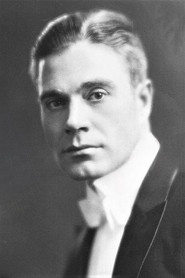
Larry Steers
Actor
Born: February 14, 1888 in Indiana, United States Died: February 21, 1951 Active: 1917-1951 Birth Name: Lawrence Steers
Films
4 films

About Larry Steers
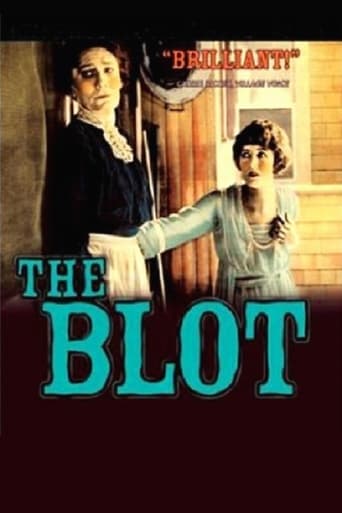
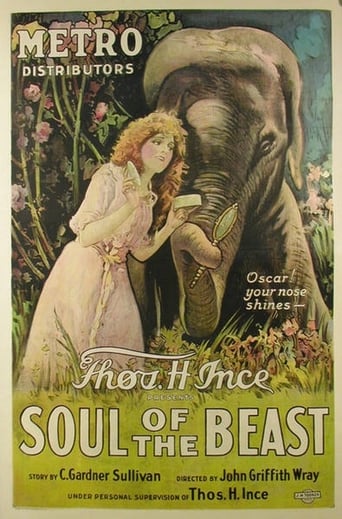
Larry Steers, born Lawrence Steers, was a prolific American character actor active from the silent era well into the Golden Age of Hollywood. Beginning his film career in 1917, Steers quickly established himself as a reliable supporting player, appearing in over 200 films throughout his three-decade career. During the silent era, he worked consistently in notable productions such as 'The Roaring Road' (1919) opposite Wallace Reid, 'The Blot' (1921) directed by Lois Weber, and 'Soul of the Beast' (1923). Steers successfully transitioned to sound films, though his roles became smaller and often uncredited as his career progressed. He appears in several landmark films of early cinema, including Cecil B. DeMille's 'The Ten Commandments' (1923), 'The Phantom of the Opera' (1925) starring Lon Chaney, and 'The Jazz Singer' (1927). Throughout his career, Steers was known for his versatility, playing everything from authoritative figures and villains to ordinary citizens.
The Craft
On Screen
Steers was known for his naturalistic and professional approach to acting, particularly impressive during the silent era when exaggerated gestures were common. He brought authenticity to his supporting roles, whether playing authority figures, villains, or ordinary citizens. His ability to convey emotion and character through subtle expressions made him valuable to directors seeking realism in their productions.
Milestones
- Appeared in over 200 films during his career
- Successful transition from silent to sound films
- Worked with major directors like Cecil B. DeMille and Lois Weber
- Appeared in landmark films including The Jazz Singer and The Phantom of the Opera
- Maintained steady employment through multiple eras of Hollywood cinema
Best Known For
Iconic Roles
Must-See Films
Working Relationships
Worked Often With
Studios
Why They Matter
Impact on Culture
Larry Steers represents the working actor who formed the backbone of Hollywood's golden age. While never a star, his consistent presence in hundreds of films contributed significantly to the quality and authenticity of classic cinema. His career trajectory from featured player in silent films to uncredited extra in later years reflects the changing nature of the film industry and the precarious position of character actors. Steers' ability to transition between silent and sound films demonstrated the adaptability required of actors during this transformative period in cinema history.
Lasting Legacy
Larry Steers' legacy lies in his contribution to the fabric of classic Hollywood cinema through his extensive body of work. As. His filmography serves as a valuable record of the evolution of American cinema, and his appearances in landmark films like 'The Jazz Singer' and 'The Phantom of the Opera' ensure his place in film history, even if often in the background.
Who They Inspired
While not a major star who influenced acting techniques or launched trends, Larry Steers influenced the industry through his example of professionalism and longevity. His career demonstrated the importance of character actors in creating believable film worlds, and his ability to work consistently across different studios and genres showed the value of versatility. For aspiring actors studying classic cinema, Steers represents the dedicated craftsman who prioritized the work over stardom.
Off Screen
Larry Steers maintained a relatively private personal life despite his lengthy career in Hollywood. He was known among his colleagues as a professional and reliable actor who took his craft seriously. While details about his personal relationships are limited, he was part of the Hollywood community during its formative years and witnessed firsthand the transformation of the film industry. His dedication to his craft and ability to adapt to changing times suggest a man committed to his profession above celebrity status.
Did You Know?
- Appeared in over 200 films during his 34-year career
- Successfully transitioned from silent films to talkies
- Often played authority figures such as policemen, officials, and businessmen
- Worked during the entire evolution from silent films to post-war Hollywood
- Many of his later roles were uncredited despite his extensive experience
- Was born on Valentine's Day in 1888
- Died just one week after his 63rd birthday
- Appeared in both versions of 'The Ten Commandments' (1923 and 1956, posthumously in stock footage)
- Worked with some of the biggest stars of the silent era including Wallace Reid and Lon Chaney
- His filmography spans the entire period of Hollywood's studio system development
Frequently Asked Questions
Who was Larry Steers?
Screen credits include over 200 films from 1917 to 1951, working primarily during the silent era and successfully transitioning to sound films. He was known for his versatility in playing supporting roles, from authority figures to villains, across multiple Hollywood studios.
What films is Larry Steers best known for?
Titles linked here include The Roaring Road (1919), The Blot (1921).
When was Larry Steers born and when did he die?
Born February 14, 1888; died February 21, 1951.
What awards did Larry Steers win?
Larry Steers did not receive any major awards or nominations during his career, which was typical for character actors of his era who worked consistently but rarely received formal recognition for their contributions to film.
What was Larry Steers' acting style?
Larry Steers was known for his naturalistic and professional acting style, which was particularly notable during the silent era when exaggerated performances were common. He brought authenticity to his supporting roles and was valued for his ability to convey character through subtle expressions and gestures.
How did Larry Steers transition from silent to sound films?
Larry Steers successfully made the transition from silent to sound films, though his roles became smaller and often uncredited as his career progressed. His adaptability and professional approach allowed him to continue working steadily through the 1930s and 1940s.
What was Larry Steers' contribution to cinema history?
Larry Steers contributed to cinema history as. His extensive filmography spans the entire evolution of American cinema from silent films to the post-war era, making his career a valuable record of the industry's development.